
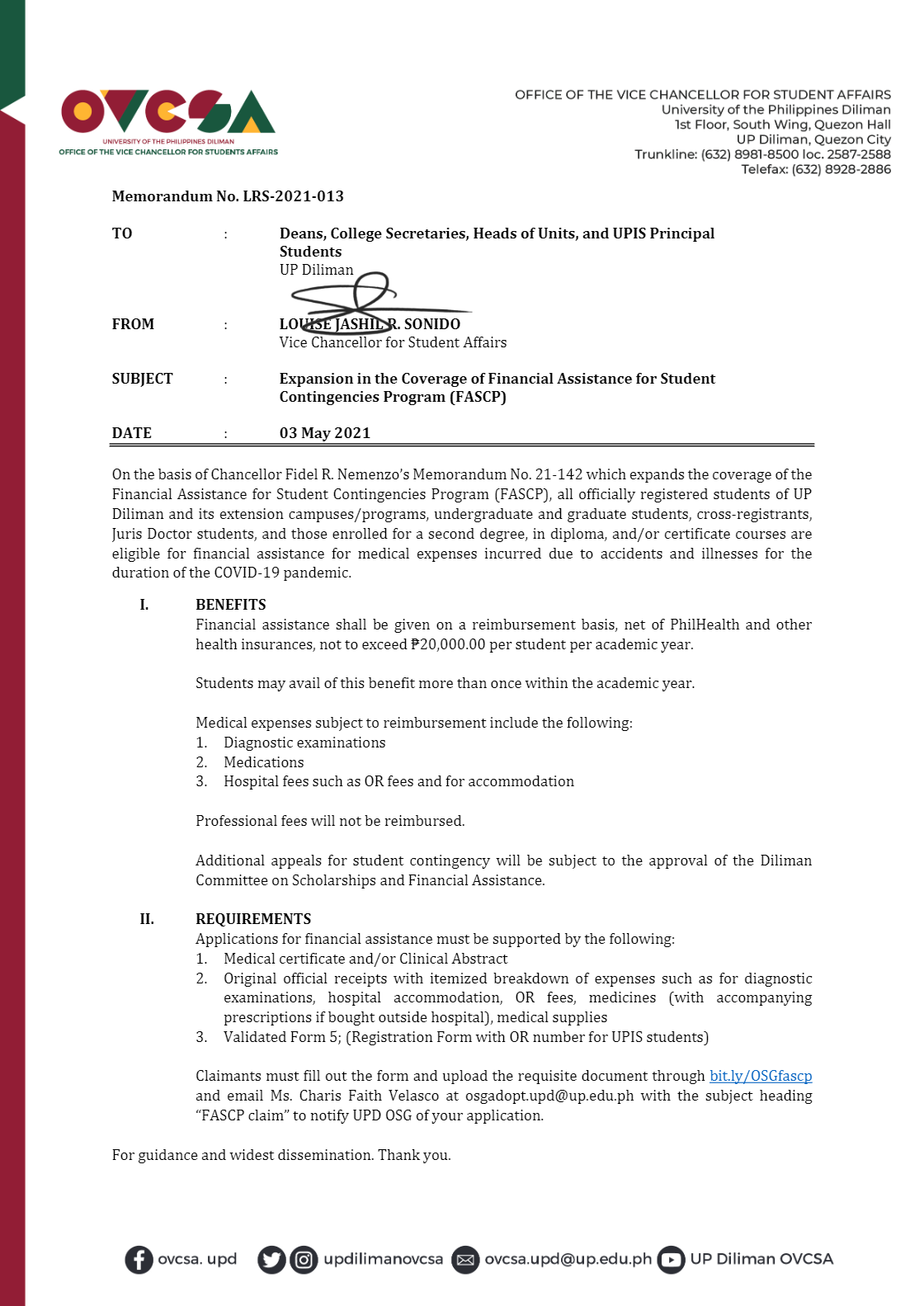
CS pays tribute to UPHS and Silungang Molave frontliners for Labor Day
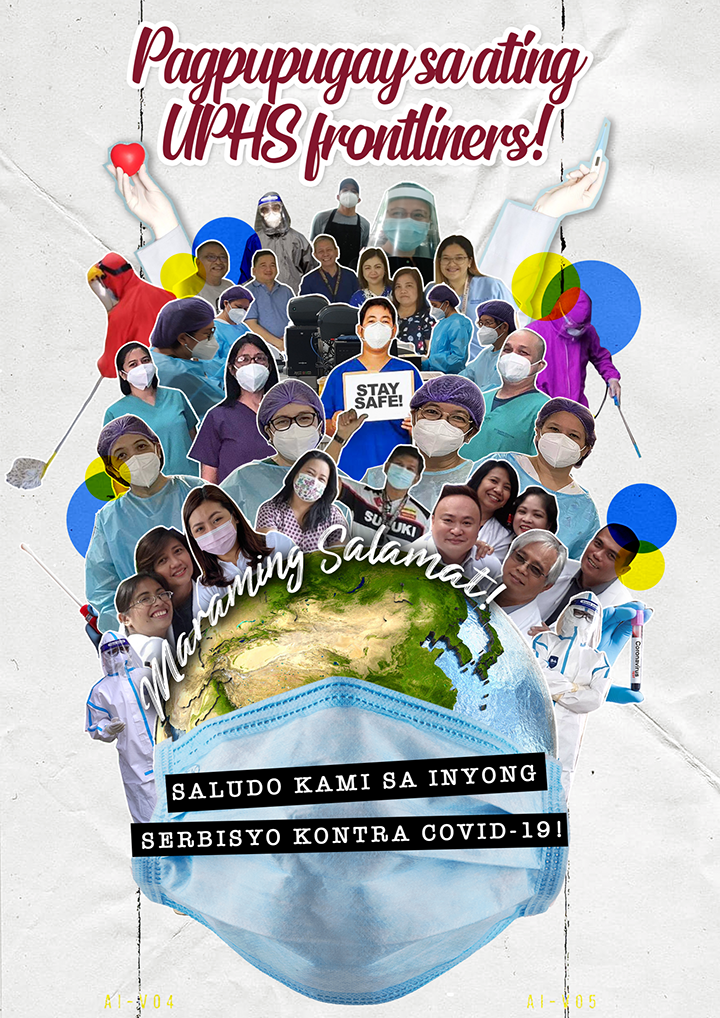
 During these trying times, when we are continuously battling with an invisible enemy, people on the front lines have become our real-life superheroes. Doctors, nurses, janitors, delivery riders, and every essential worker have tirelessly rendered their service for over a year now, sacrificing not only their lives but also of their close loved ones.
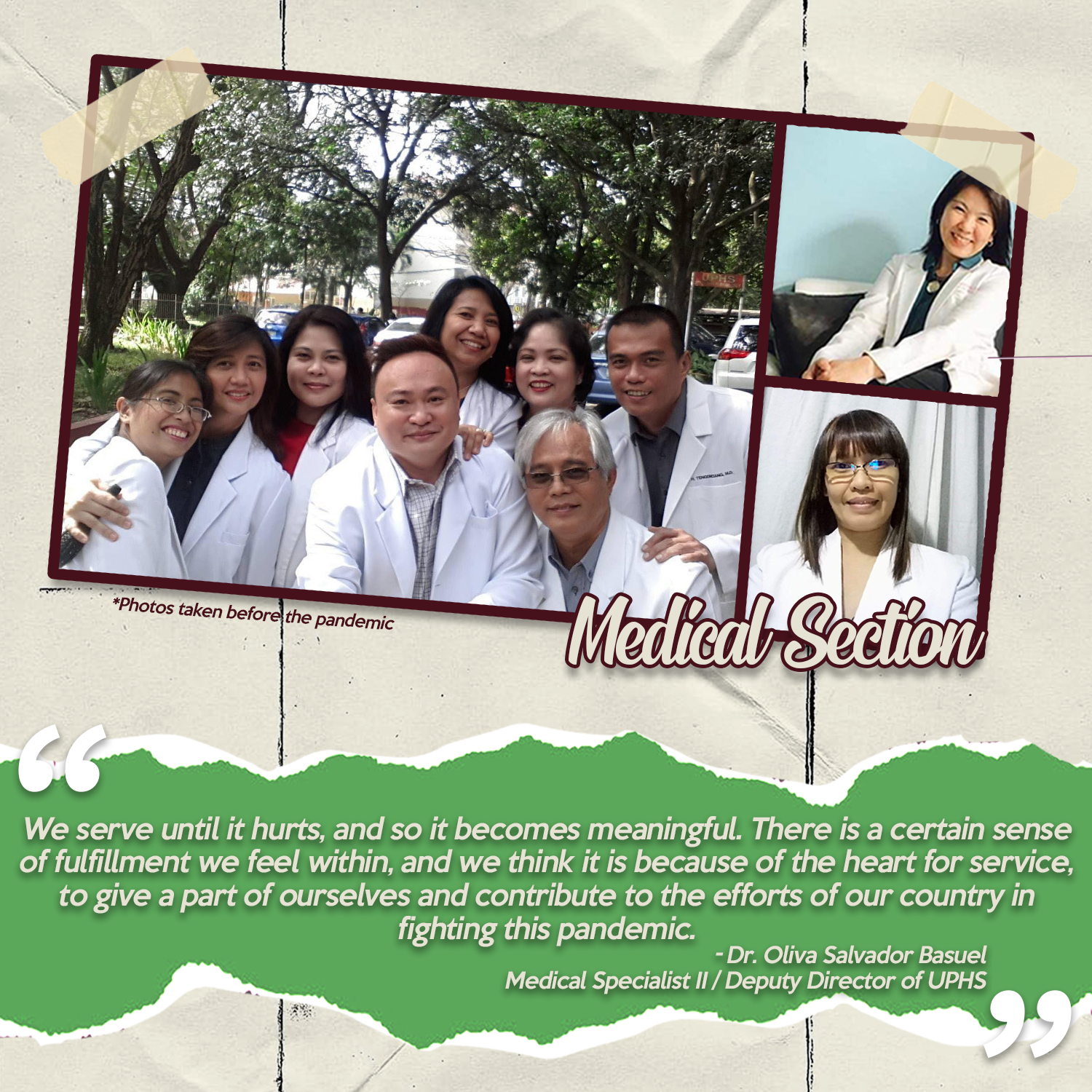
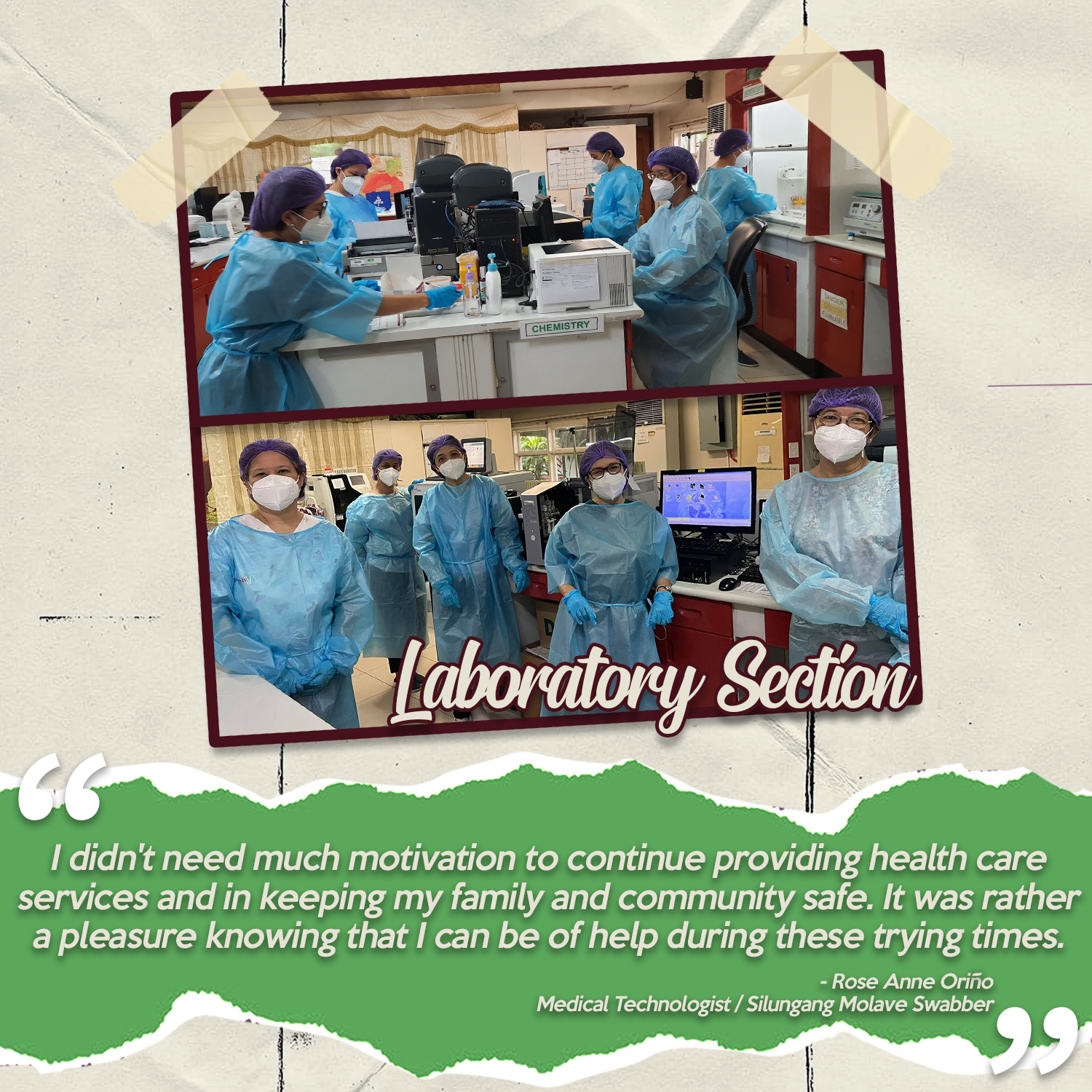
From the very beginning of the COVID-19 pandemic, the staff of the University of the Philippines Health Service (UPHS) has shown their dedication and passion to contribute to the healing of our nation. Many UPHS employees have been infected by the virus during their line of duty, but this did not stop them from continuing to serve the people after their recovery.
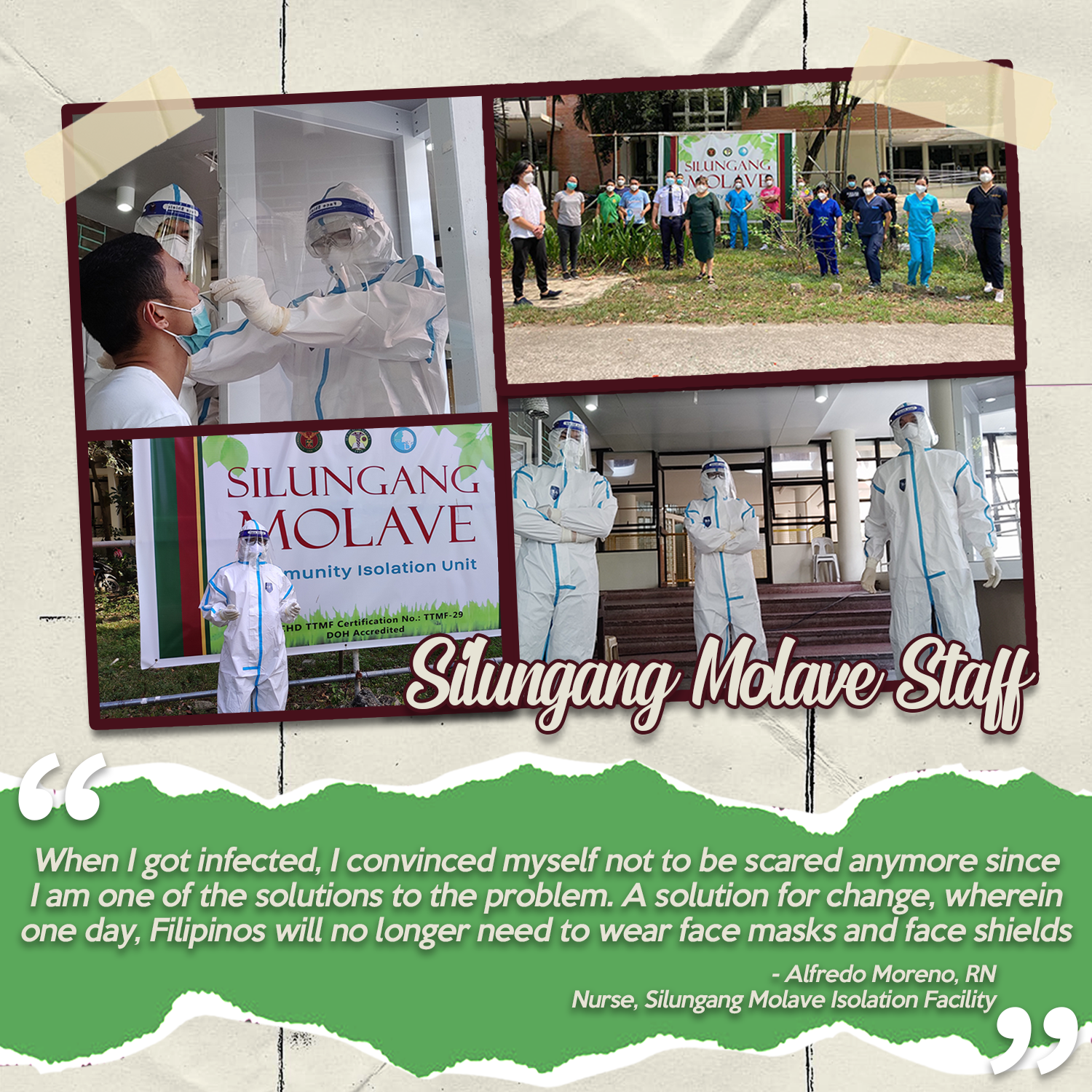
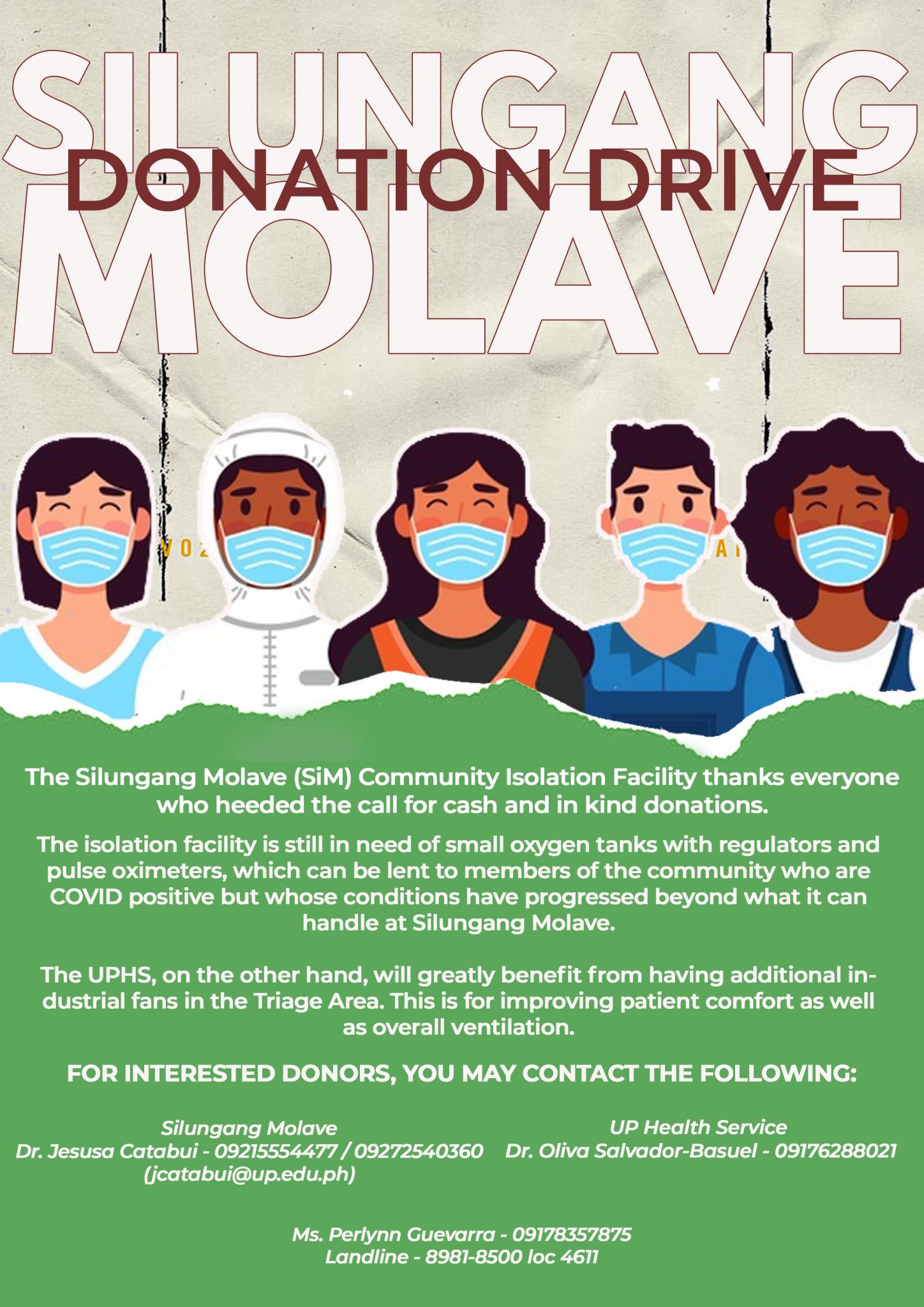
To accommodate suspected and probable COVID-19 cases, UPHS extended its services to Kanlungang Palma (KP) which opened from April 20 to July 10, 2020. By August of the same year, Silungang Molave (SiM) opened and is currently serving as a swabbing station and community isolation facility for mild and asymptomatic COVID-19 cases. UPHS also adapted telemedicine into nearly all of their clinic services to continue serving from the comfort of their patients’ homes.
The pandemic has been a difficult adjustment for everyone, but it is an even tougher adjustment for our frontliners. Among the things they had to get used to is being physically distant from their families. “I started staying in a separate room, using a separate bathroom and having a separate set of utensils. I have not hugged any member of my family since I started working in the isolation unit last May 2020,” says Dr. Ani Batangan, a Silungang Molave physician.
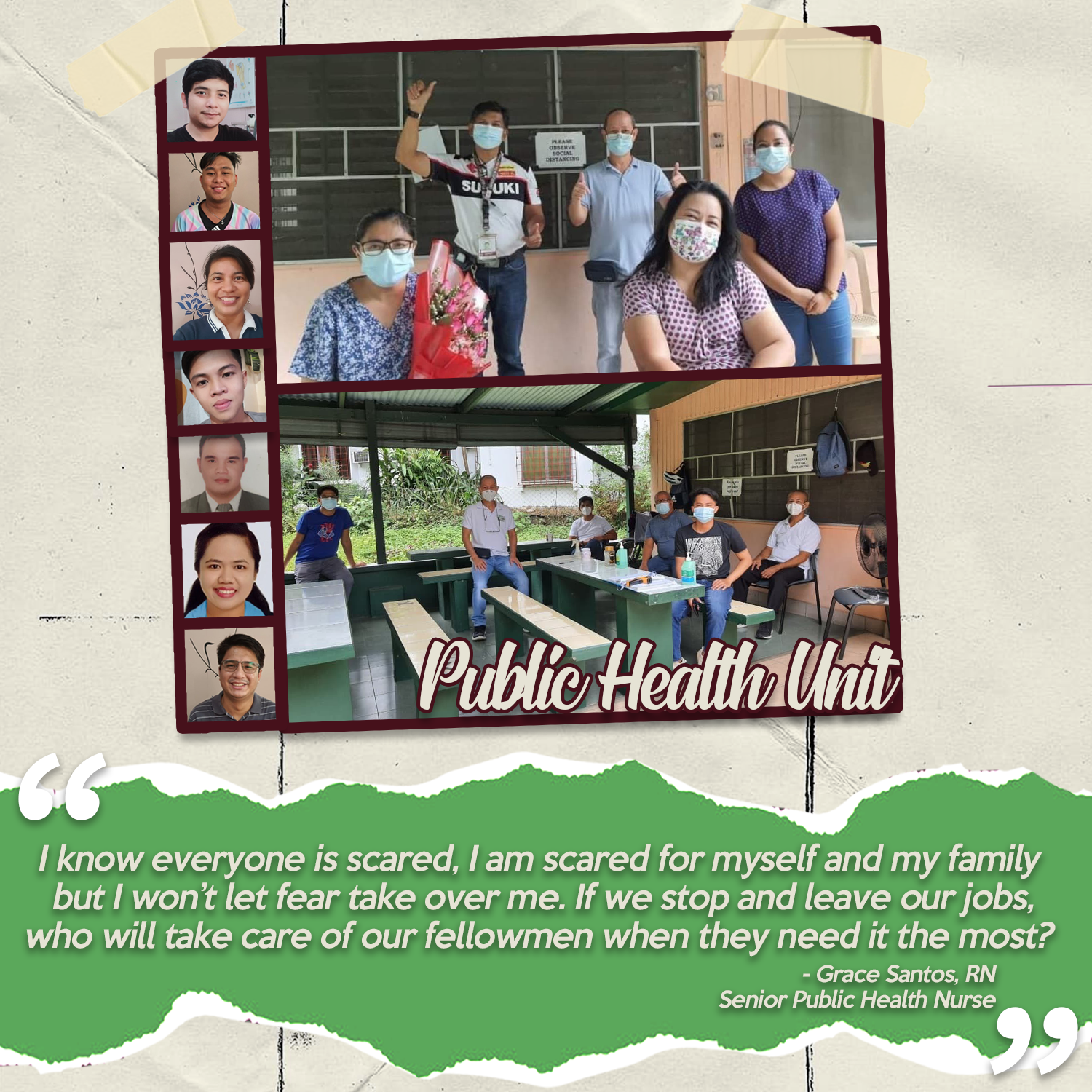
Despite this discouraging reality, these frontliners continue their jobs because they find motivation in being able to pursue their passion, give back to the Filipino community, and greatly contribute to the healing of the country.
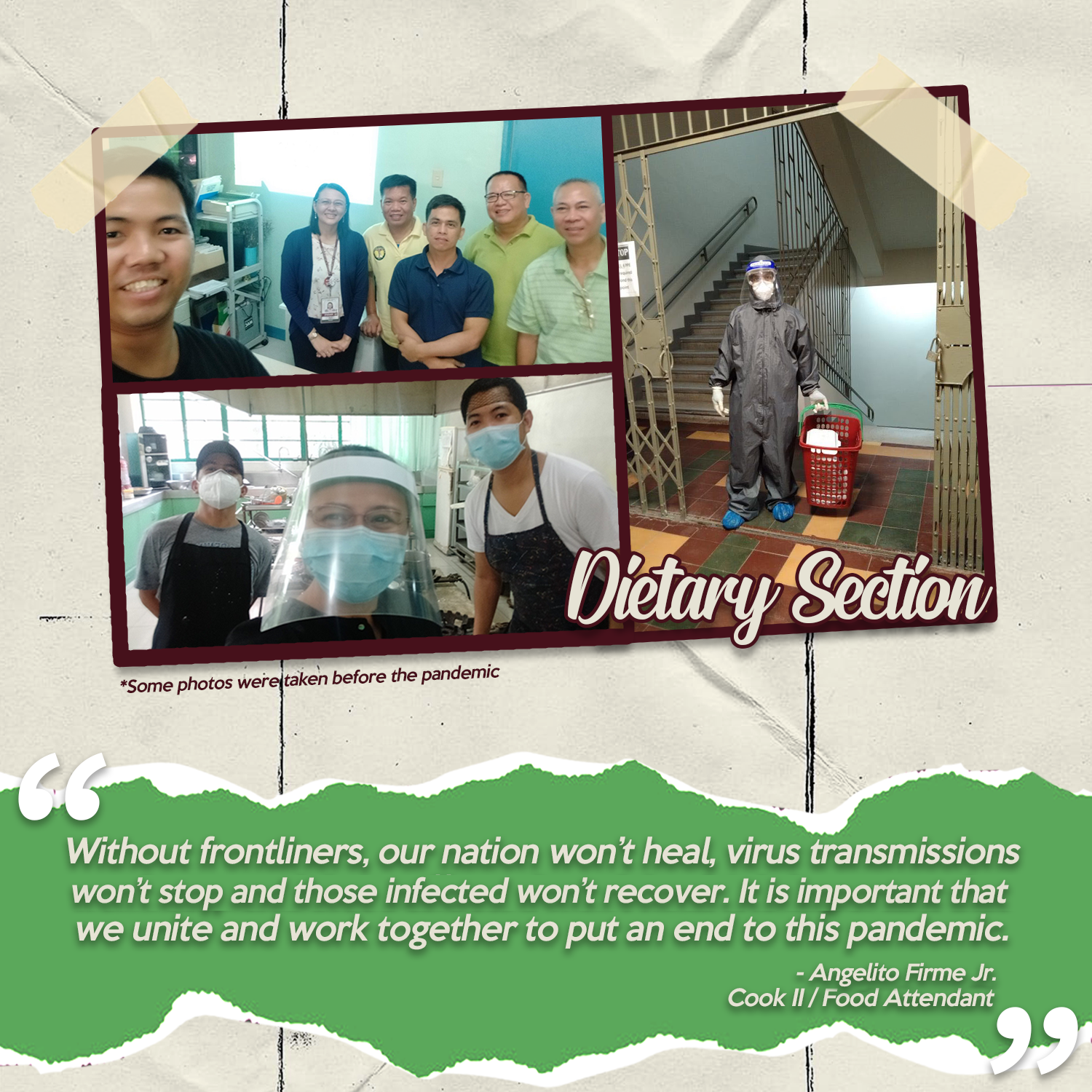
“What kept me going back then is simply knowing that I’m helping out. Doing what’s needed and being able to serve is more than enough—which for sure, is true for anyone who’s a health professional at heart,” says Marife Sevilla, Chief of the UPHS Dietary Section and Head of the UPHS Information Dissemination Team.
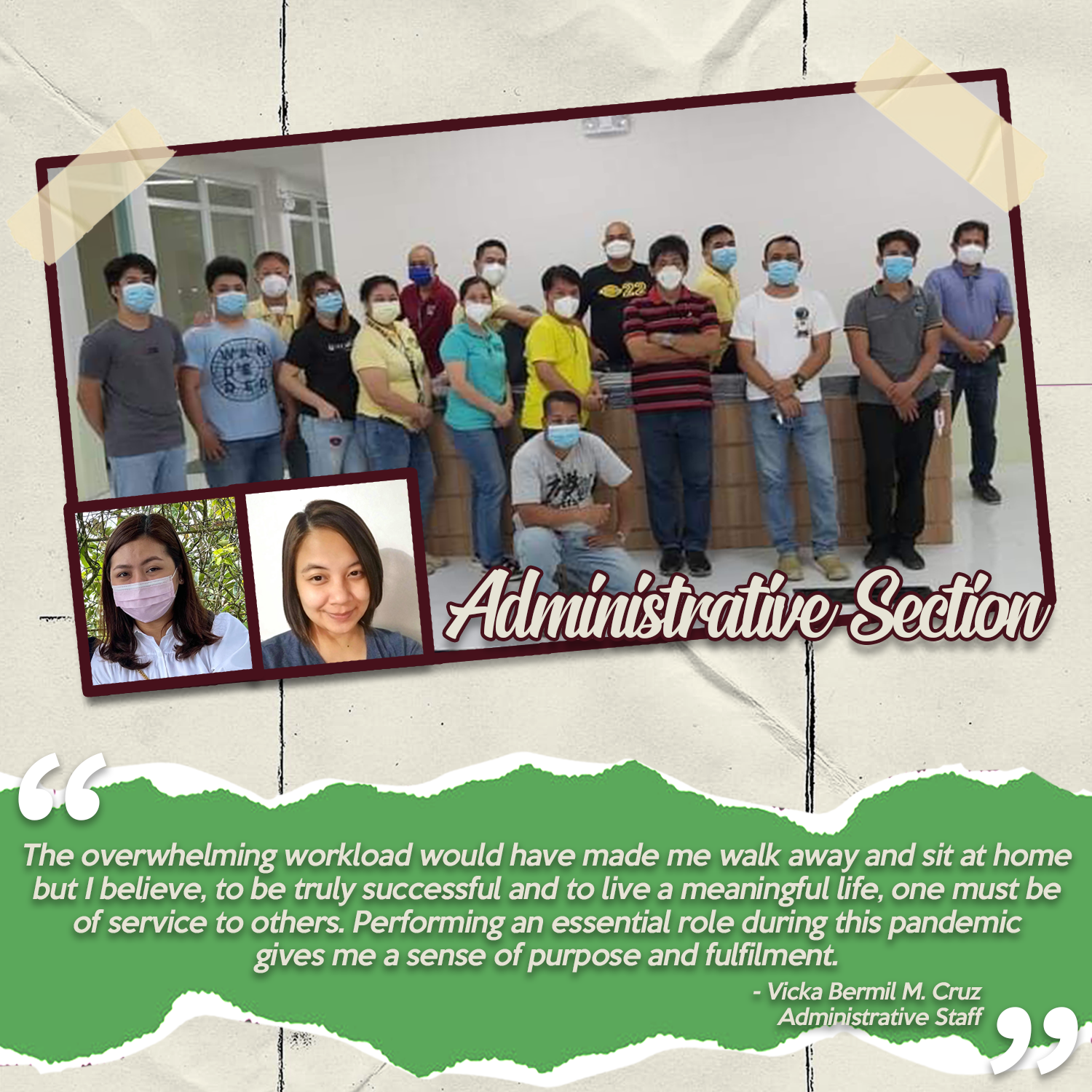
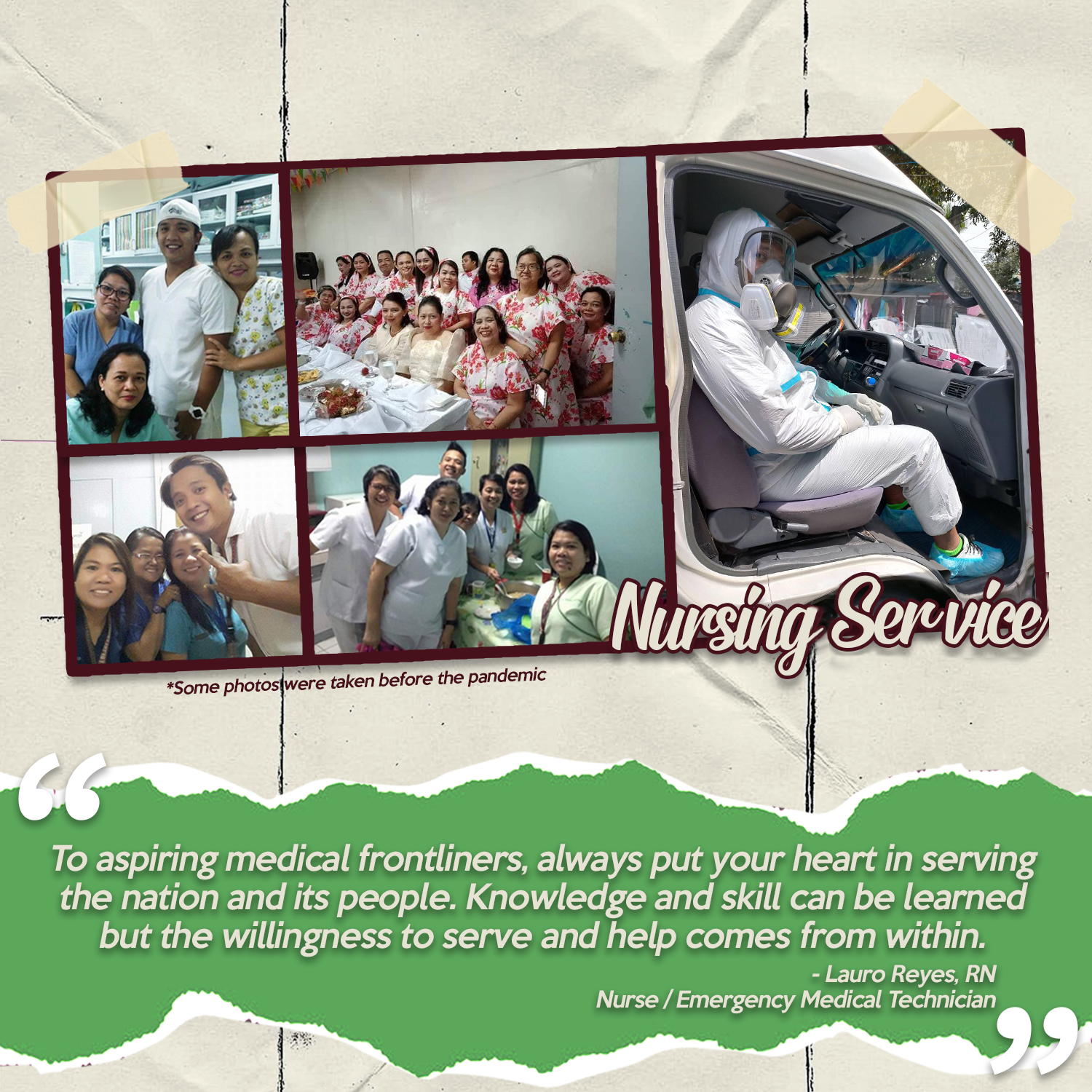
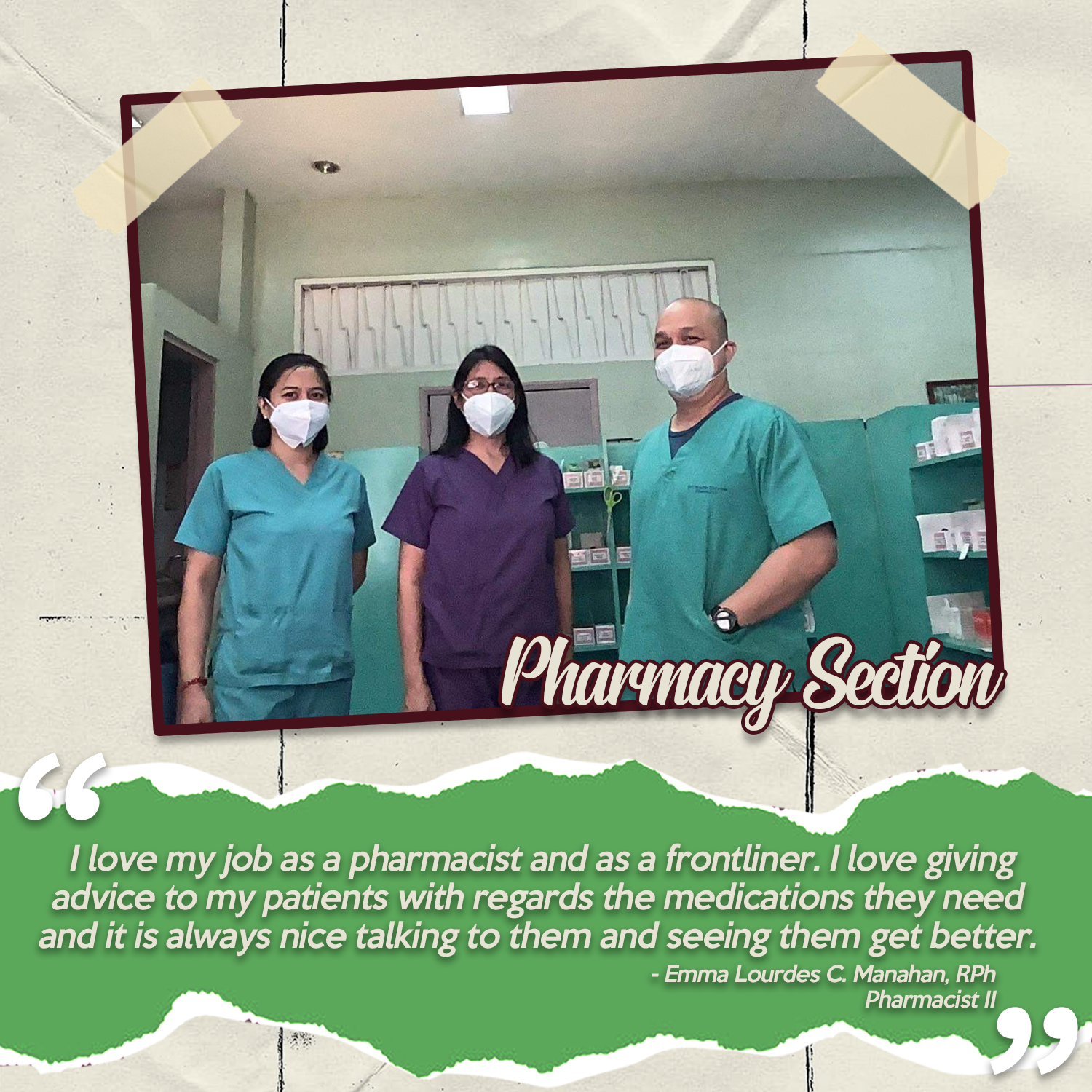
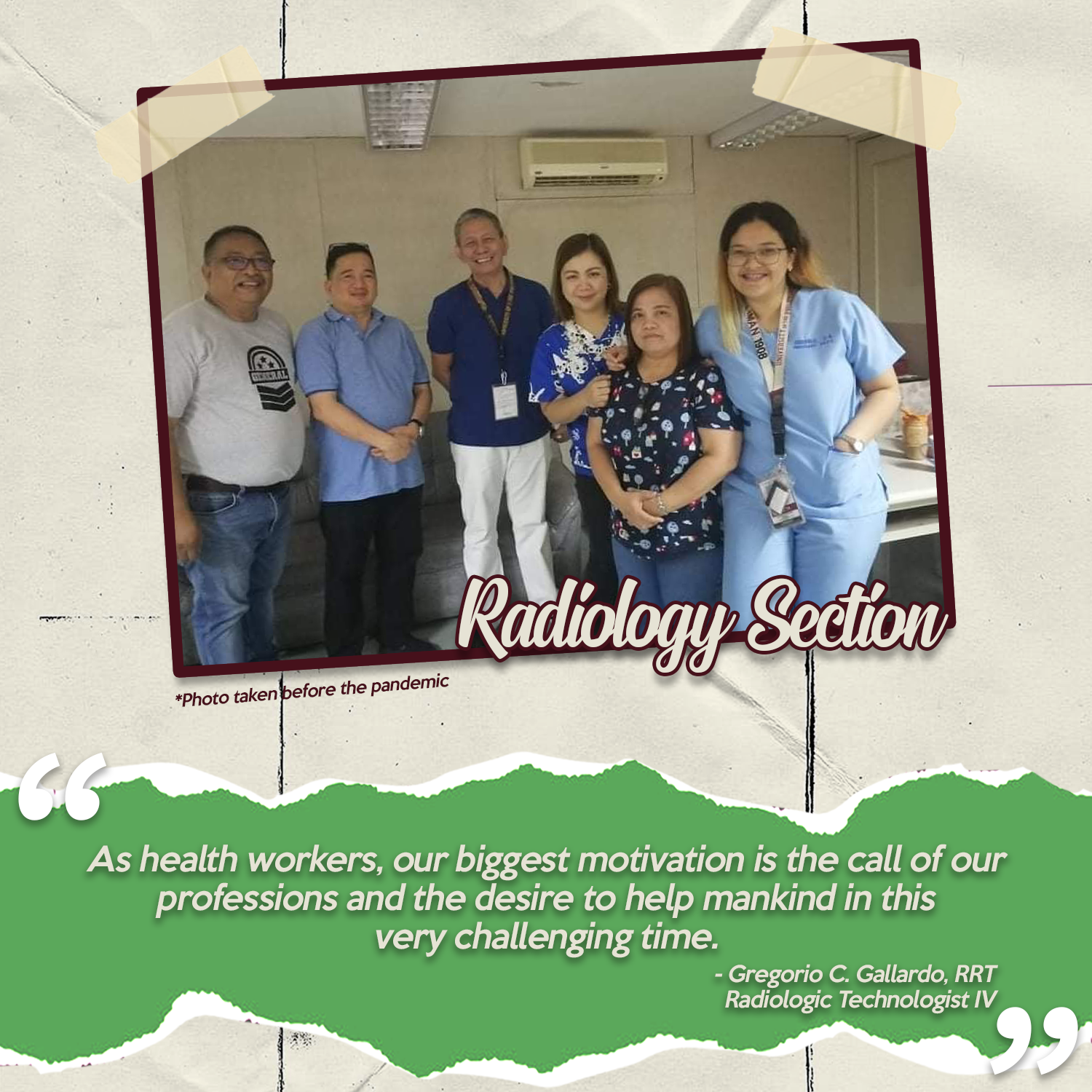
From medical technicians to administrative staff, the roles and responsibilities of each UPHS and SiM employee are vital in keeping the community safe and running. They manage to show up to work daily despite the challenges brought by the pandemic, especially the risk of contracting the virus.
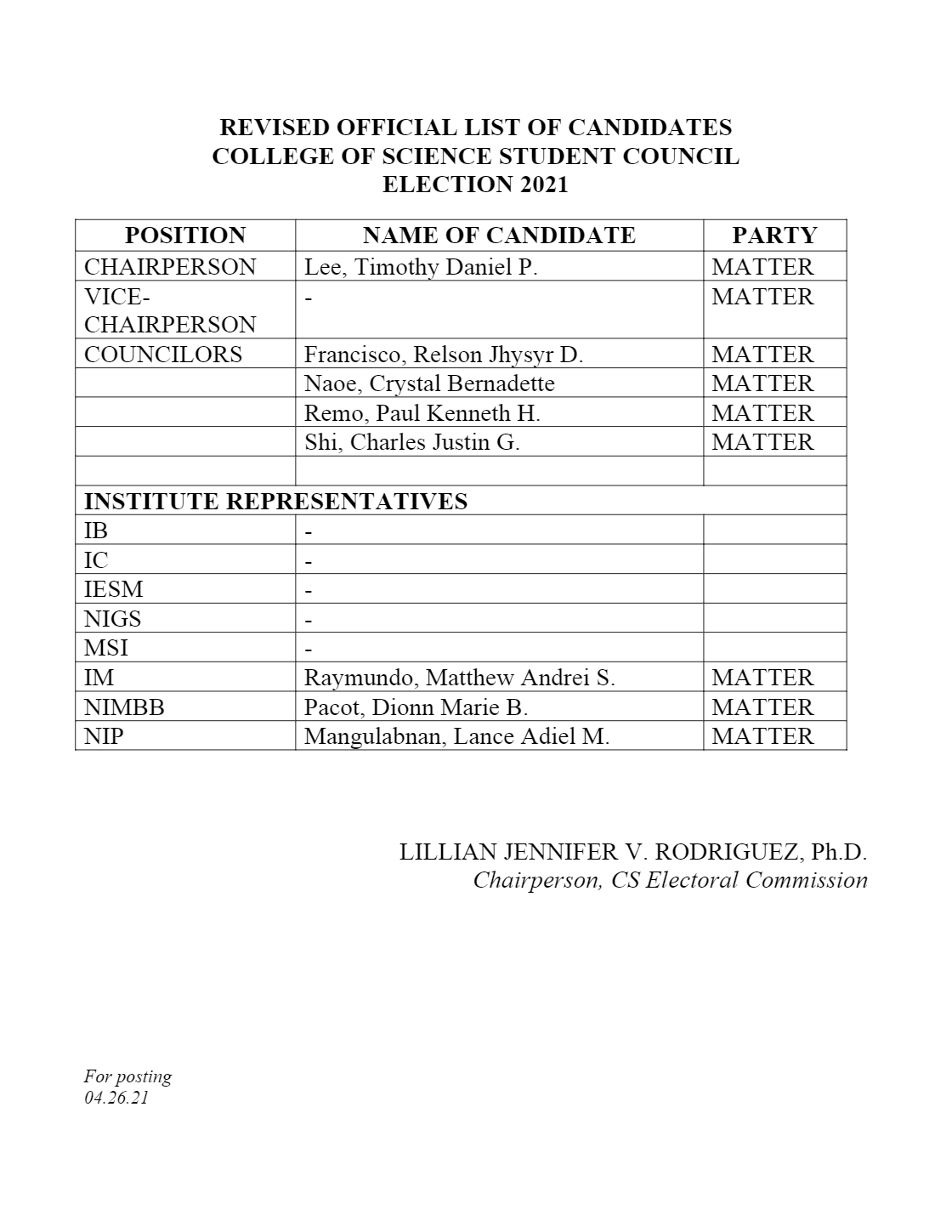
Revised Official List of Candidates College of Science Student Council Election 2021
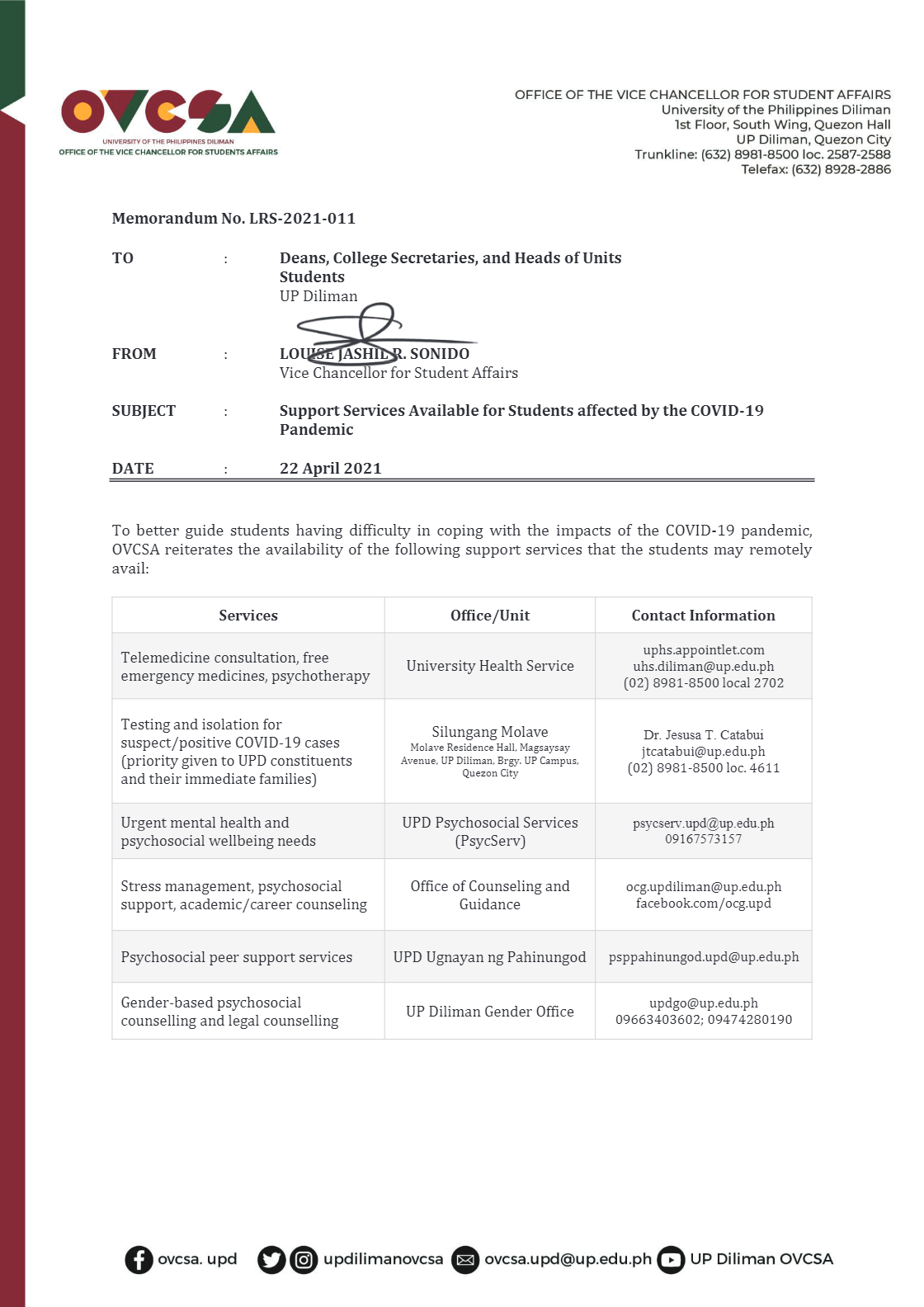
Memorandum No. LRS-2021-011
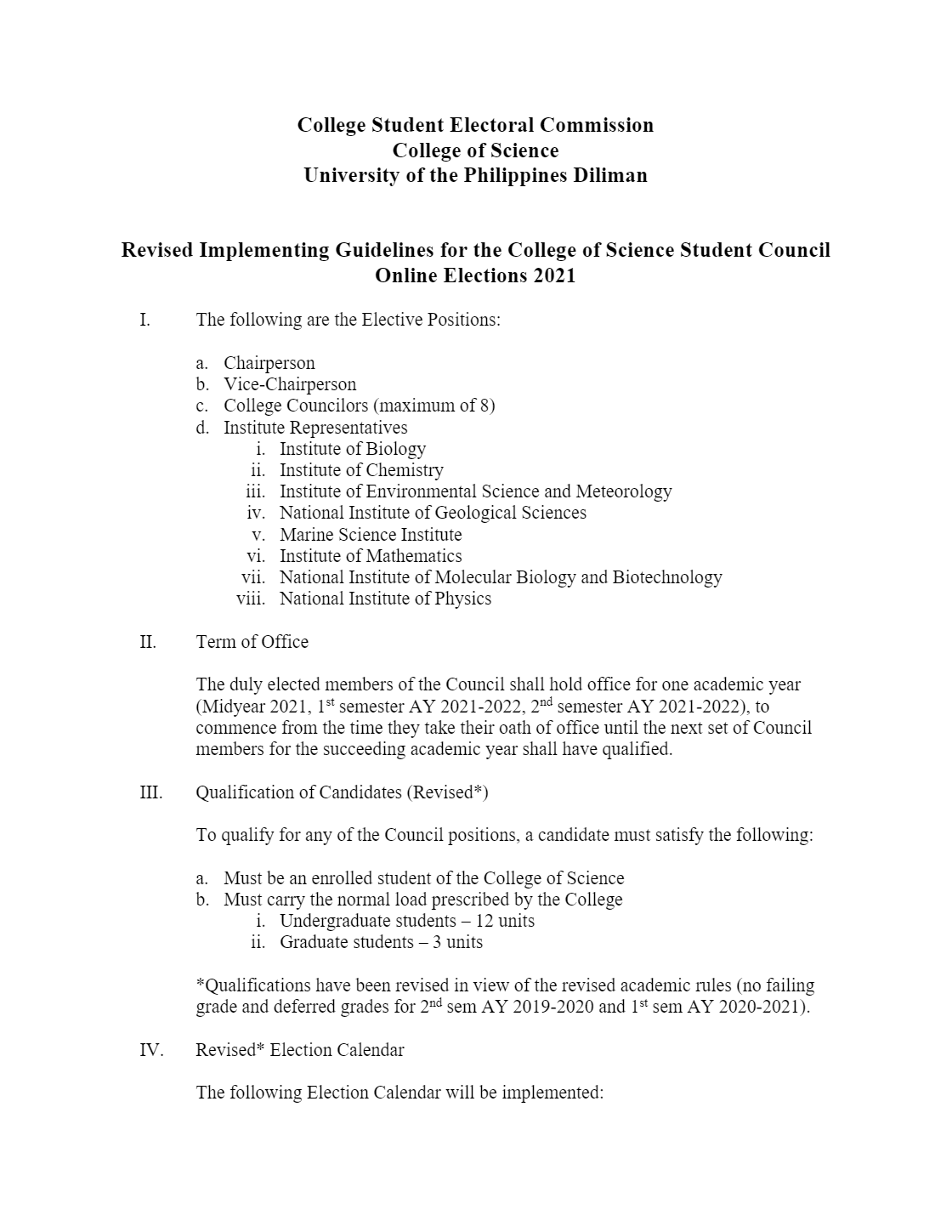
Implementing Guidelines for the College of Science Student Council Online Elections 2021
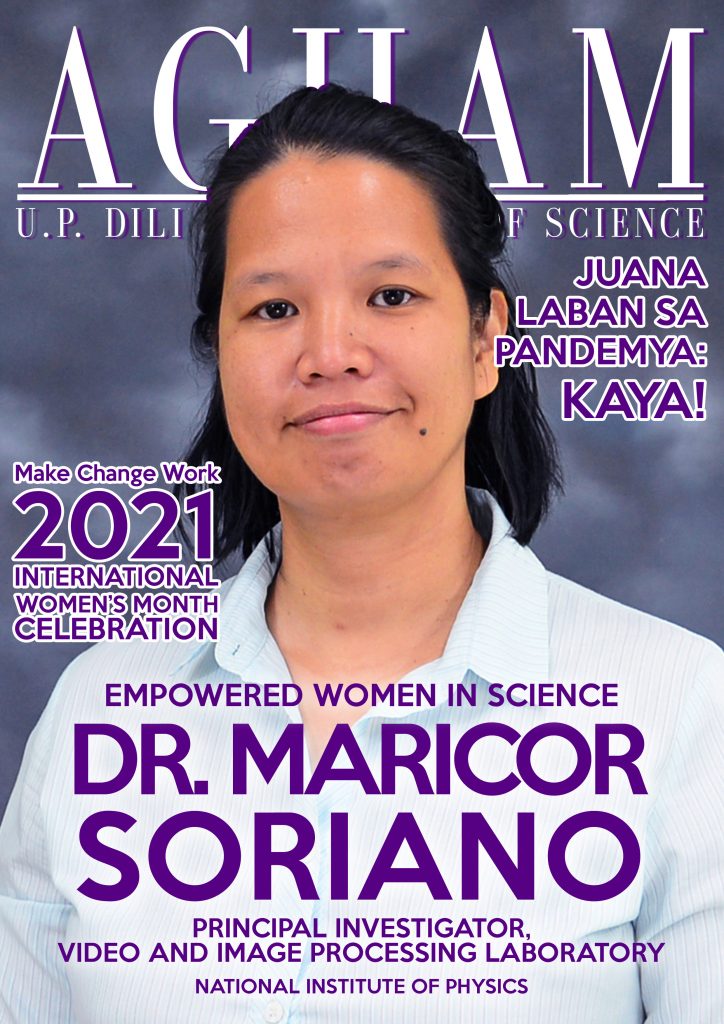
WOMEN IN SCIENCE: Dr. Maricor Soriano from NIP
 “State universities in the Philippines, especially UP, are one of the best places to pursue science if you are a woman. Apart from the academe being generally gender blind, the enactment of the Expanded Maternity Leave Law in 2019 now levels the playing field for married or expecting lady scientists.”
This is what Dr. Maricor Soriano, an applied physics professor at the National Institute of Physics, believes as she was one of the women who experienced the benefits of being a woman scientist in the country and witnessed significant changes for women in the workforce.
“In Finland where I had my postdoc from 1998 to 2000, I was amazed that maternal leaves were as long as four months and fathers can share child-rearing duties through paternal leaves. Since then, I desperately wanted it to be the same for our country. And now it’s a reality!”
Dr. Soriano started her special connection with science when she used to observe and assist her father, an engineer, in making and assembling things from scratch. This influenced her to become a tinkerer and encouraged her to pursue Physics, despite initially wanting to become a medical doctor.
Dr. Soriano’s research specialty is color, video and image processing. She is currently the principal investigator of the Video and Image Processing Laboratory in NIP. Her laboratory creates hardware and software tools and technology to answer different institutions or agencies’ imaging needs. Her laboratory caters multidisciplinary requests, from art museums, marine science researchers, medical doctors, anthropologists, archaeologists, etc. One remarkable technology she helped develop is ARRAS, a coral reef imaging technology, which mapped 2,000km of coral reefs around the Philippines.
She also serves as the program leader of “STAMINA4Space,” funded by the Department of Science and Technology where they make the satellite bus and optical payloads locally for a future Diwata 3.
Dr. Soriano believes that although there have been improvements over the years, Physics is still a male-dominated field, and three factors she can think of are: gender stereotyping, lack of role models, and the institutional gender bias of certain research areas. “It should not be the sole responsibility of women to assert themselves and make adjustments in their careers in science. Let us also ask men in scientific labs , and also in STEM industries to make the environment more conducive and welcoming to women,” she says.
She also pointed out that employers from different industries should stop their discrimination—if ever existent—to women who are married or are about to have kids. She has witnessed that pregnant ladies are discriminated upon by their employers who think hiring married women is unstrategic. She says that this kind of thinking is absurd especially that this pandemic has proven that people can still be productive even at home.
“My role model in life is my mom. She is a teacher and when I was a baby, her school was just across the road. During her lunch break, she would come home and she would breastfeed me and my brother, and then return to her classes after. When I learned of this years later, it ingrained in me a lifelong respect for working mothers.”
Dr. Soriano hopes that more and more young girls will be interested in pursuing science and engineering because she believes that women have a big role in bringing together researchers from different fields. She shares a research study about feminine and masculine work values where the results state that women are more collaborative; men are more independent and women tend to work as a team; men are more competitive.
“Dealing with intricate systems, processes, and negotiations in STAMINA4Space made me realize that our innate collaborativeness is an advantage in space science and engineering.”
Dr. Soriano is an advocate of self-learning. She believes that the future of education is self-learning. With the Internet being available as an online resource, anything can be learned if one just has the right amount of interest and discipline.
WOMEN IN SCIENCE: Dr. Agnes Paras from IM
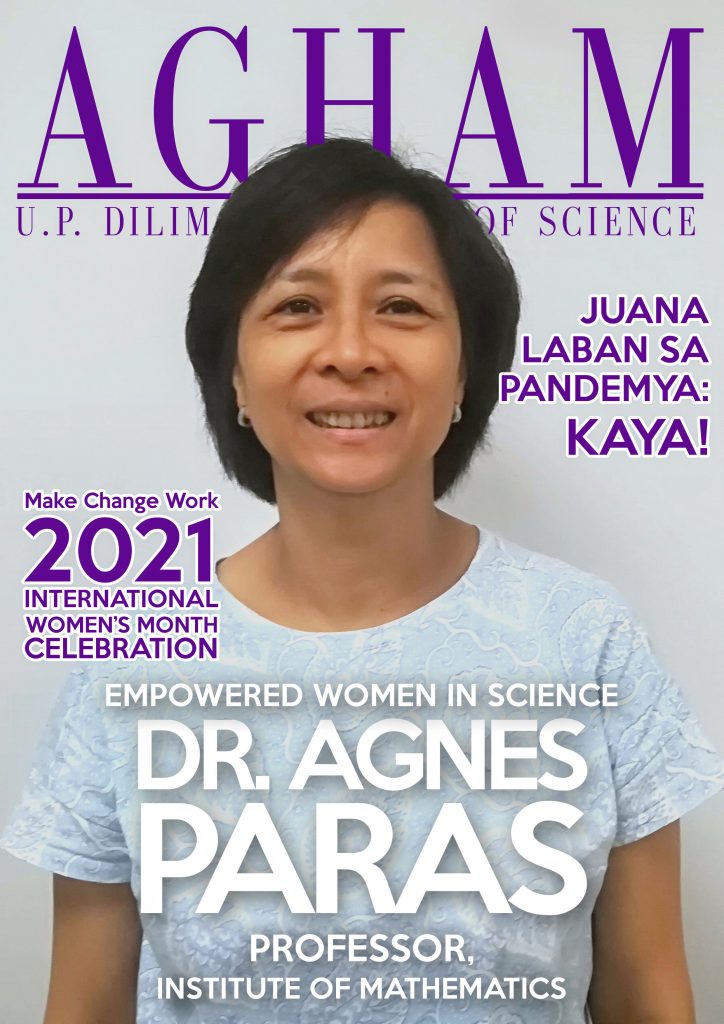
 Dr. Agnes T. Paras, Professor at the Institute of Mathematics and conferred UP Scientist I, has been fond of mathematics since she was young. “It was a subject that I enjoyed and was willing to devote more time to,” she recalls.
Dr. Paras entered UP as a geology major, much to the dismay of her father, who thinks it is a male-dominated scientific field. She eventually shifted to BS Mathematics to pursue her interest in math, which made her father happy and hope she would end up as a professor.
From the moment she graduated, Dr. Paras continued the dreams of her father to become a professor and obtained her Ph.D. in Mathematics at Wesleyan University, Connecticut, U.S.A.
Dr. Paras is an algebraist. She started her research in infinite abelian groups, and ring and module theory. She eventually shifted her studies to matrix analysis, an area combining matrix theory and complex analysis, concentrating on the algebraic aspects of matrix theory.
Mathematics has long been dreaded as a difficult subject by undergraduates. “We should understand that professors, in any field, won’t spoon-feed all the information. You learn math by doing it and making your own realizations, not just by listening and memorizing,” she emphasizes.
To anybody who finds math difficult, Dr. Paras highlights the importance of analyzing and studying the concept first, and to do the assigned exercises. “To learn math, one must be able to understand the definitions and principles. Once these are clear, work on the exercises to have a deeper appreciation of what is going on. The fun part of math is being able to appreciate the elegance of a proof or a solution, and arriving at a perspective which simplifies the problem at hand”, she says.
According to Dr. Paras, the UP Diliman Institute of Mathematics has more male faculty members compared to women, almost twice as many. However, if we compare it to Mathematics institutions from other countries, the percentage is significantly higher. Despite more women involved in mathematics in the country, Dr. Paras says that societal expectations are still holding back women in pursuing a full-time career in Mathematics. “More is demanded from women in our society, especially mothers,” she says.
Dr. Paras hopes the next generations embrace scientific mindsets to be the norm. “In the Philippines, many use superstition, religion and folklore to explain the things happening around us. I believe we are getting left behind because of this mindset.” she highlights.
WOMEN IN SCIENCE: Dr. Cyril Salang from MSEP
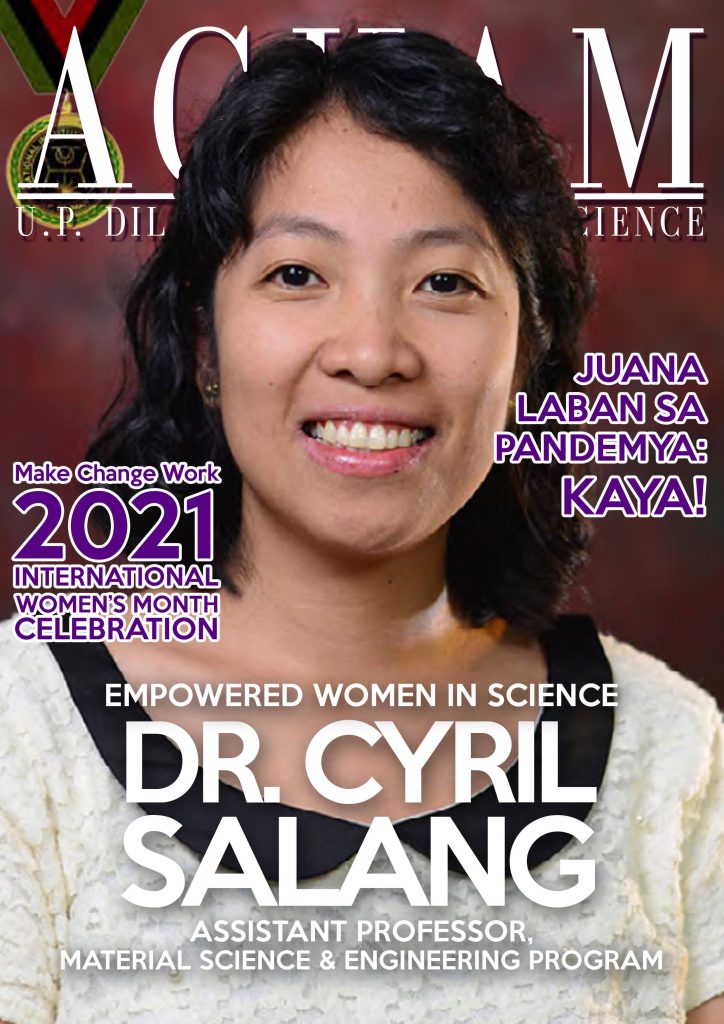
 An addition to the list of women scientists who also took the challenge of being mothers is Prof. Cyril Salang, Ph.D. of the Materials Science and Engineering Program (MSEP). She has a doctorate degree in Physics and is currently an Assistant Professor at the university.
Dr. Salang’s high school mentors, who showed exceptional skills in physics and mathematics, were the ones who first piqued her interest in science and eventually encouraged her to take up a degree in Physics. These mentors, who were mostly females, were big inspirations to her because they debunked her “old” perception that only men can be good at math and be scientists.
“As educators, we should discourage gender stereotyping and putting gender labels on career paths our students may take. We should realize that these perceptions will affect the choices our students make. Their interests should matter in choosing their careers.”
While taking up her doctorate degree in 2008, Dr. Salang also started teaching in the National Institute of Physics (NIP). She stayed in NIP for almost 5 years and was re-hired in 2019 to work in MSEP. She has been with the College of Science and UP for a total of 6.5 years. Her research interests include semiconductor growth via molecular beam epitaxy and she is currently venturing into two-dimensional nanomaterials such as graphene and hexagonal boron nitride.
As she was pursuing higher studies, one of Dr. Salang’s goals was to contribute to the body of knowledge. And she was lucky enough that she became a part of the Condensed Matter Physics Laboratory, where her mentors and colleagues supported this goal.
After successfully entering the world of Physics and having fulfilled many of her scientific goals, Dr. Salang is now facing a new challenge: being a first-time mother. She knew that choosing to become a mom and to continue her career would entail challenges. True enough, she admits that it is a struggle to juggle her responsibilities in her family and career, but Dr. Salang is proud that despite this, she is happy with her choice of being a scientist mom.
“I’m blessed I have a supportive husband who understands me and my needs as a working mother. Our first months as parents were tough, but we always found a way to be there for our child and, at the same time, be able to do our respective jobs. It has been a big transition, but I am happy.”
Dr. Salang also expresses her gratefulness to the faculty and staff in MSEP for being understanding colleagues, and commends UP, which abides by the Magna Carta of Women. Being in this supportive environment somehow made it easier for her to manage her schedule as a working mother. Dr. Salang believes that women should be free to choose whether they want to be a housewife, work outside of home, or even do both.
Dr. Salang also reiterates that perseverance, determination, and practice—not only innate abilities—will make a person a good scientist. “I think everyone has a chance to do science. As long as you have the passion, you should never stop dreaming that you can contribute not only to the body of knowledge, but also to new technologies that can benefit society.”
WOMEN IN SCIENCE: Dr. Cherry Ringor from IESM
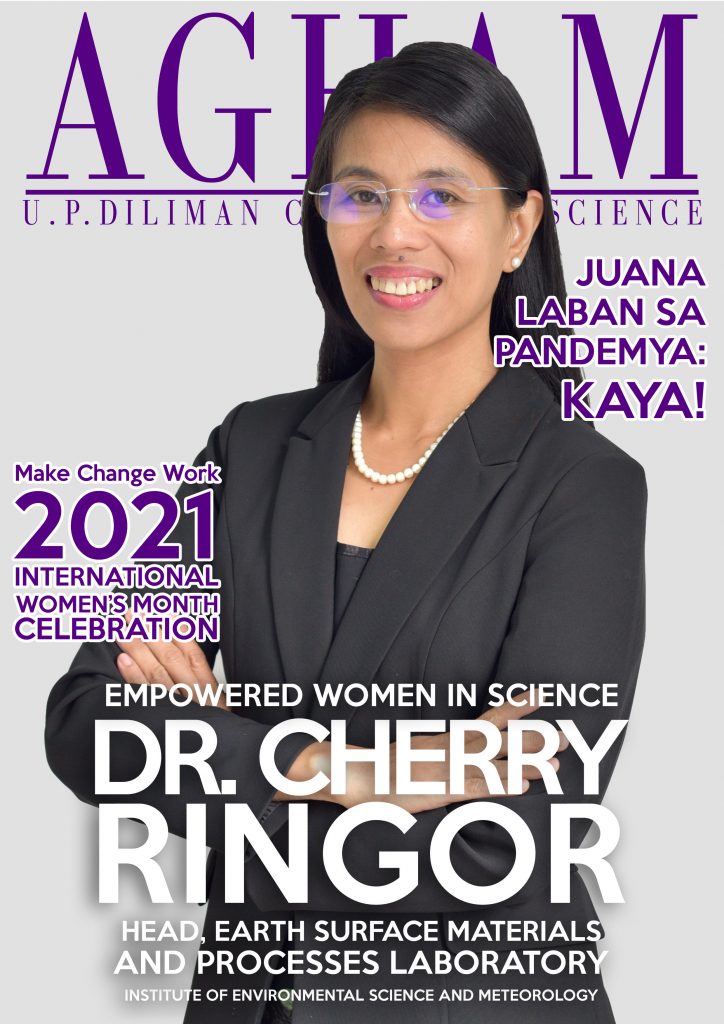
 Growing up with parents who used to work in science, Dr. Cherry Ringor naturally found it easier to study science herself. This paved the way for a science-related education and eventually, a career as a geologist.
Taking up BS Geology in UP Diliman back in 1991 was a challenge for Dr. Ringor. At that time, the program was still new in the Philippines so there was no “backgrounder” about it back in high school and only a few schools offered it. Geology was also often stereotyped as a course for the men, but she was one of the women who took up the challenge to explore a male-dominated field.
Dr. Ringor took up masters in UP Diliman and her doctorate degree in Kanazawa University, Japan. Now the Deputy Director for Academic Affairs of the Institute of Environmental Science and Meteorology (IESM), she has spent 25 years working in the academe as a scientist and educator. Her research interests include sedimentology, coastal morphology and marine geology.
While studying in Japan with her husband who is also a geologist, Dr. Ringor gave birth to their firstborn son. This part of her life was quite a struggle given the demands of her PhD program and her responsibility as a first time mother.
“We used to put our son in the daycare center when me and my husband were busy doing our research in the lab. And quite often, we would need to call the daycare to extend his stay because we can’t leave our experiments. There were also times when we were so tired and we almost went home forgetting to pick up our kid!” she recalls.
It was through these hilarious incidents that Dr. Ringor realized that mothers will always have flaws. She believes that working mothers should stop pressuring themselves to become a perfect career woman and a perfect mother at the same time. What’s important is they find satisfaction in doing both roles.
“We, working mothers, should always be open to the idea that we are not perfect…You can’t be a perfect mom and have a perfect career at the same time. You don’t have to be guilty for the things you lack and have the serenity that there are things we cannot achieve. Manage expectations when you choose to have a family and career.” she says.
Dr. Ringor also shares how lucky she is that the environment she has been in for the past years has been very supportive of her as a woman scientist. And she is proud to say that compared to other countries, the Philippines has little to no gender bias about women taking up space in science. But she hopes that this would apply, not just in academic institutions, but in other industries too, because men still have the tendency to take bigger roles such as CEOs and managers.
“I’m happy that in my many years of staying in UP and in the College of Science, I have never felt discriminated against because I am a woman. I hope that’s the case with other environments too. I hope that there’s not any bias towards women who would like to pursue their careers in whatever fields anymore and I hope women will be given more opportunities to take up leadership roles.”
Dr. Ringor also wants to remind the younger generation of women to take advantage of the opportunities that were a result of the sacrifices and struggles of women before them; being able to pursue science freely is one of these opportunities.
WOMEN IN SCIENCE: Dr. Imee Su Martinez from IC
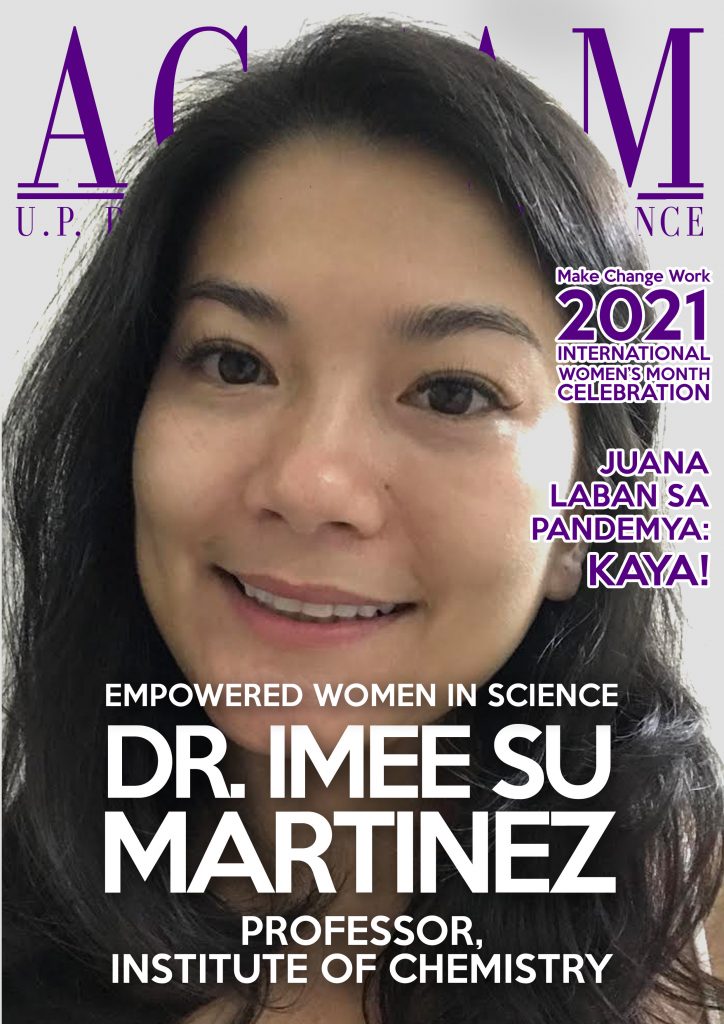
 The perfect blend of beauty and brains, Dr. Imee Su Martinez, Professor at the Institute of Chemistry, has always been curious about the “how and why” of things around her. She studied at the Philippine Science High School, which influenced her to pursue a career in science.
During her undergraduate days, Dr. Martinez used to freelance model as a side hustle, which eventually led to her stint in pageantry as a Binibining Pilipinas candidate in 2001. Donning a red gown during the evening gown competition, she graced the stage with poise and confidence— something she could never do inside laboratories.
“I had friends working in the modeling industry, also people from CAL, and they encouraged me to do modeling gigs and eventually join the Binibining Pilipinas pageant. This can be a sensitive issue to women’s liberation, as pageants may lead to the objectification of women. However pageants are also possible platforms for women to further their advocacies, it can be a very good resource that can be tapped to encourage participation from the general public — mine back then was environmental conservation and of course, world peace!”, Dr. Martinez recalls.
One pageant was enough for Dr. Martinez, she left the glitz and glamour of pageantry to become more immersed with her advocacies, which is the environment and world peace, in this case the peaceful use of chemistry. Her projects are mostly focused on climate change, green chemistry and environmentally relevant studies. She is also currently serving as a member of the Scientific Advisory Board of the Organization for the Prohibition of Chemical Weapons.
“I have always known that show business has a shelf life, the limelight doesn’t last. I also missed the complexity of science and research, the challenges they present, the more tangible rewards they can give to society.”
Dr. Martinez is specializing in physical and surface chemistry. Her research interests are currently on chiral studies of molecules using non-linear spectroscopy, second harmonic imaging of sea cucumber mutable collagenous tissues, nanosafety and carbon capture using ionic liquids.
Dr. Martinez hopes to see more female students pursue physical chemistry as their specialization.
“Physical chemistry is not really a glamorous field, the way we normally perceive glamor, as it involves a lot of laborious work like machine work, building equipment, glass blowing, and other physically challenging activities. You can be doused in pump oil for days! Students who graduated from my group were all males, I hope to have a female graduate student finish from our laboratory.”
Dr. Martinez reiterates the importance of having a supportive environment in nurturing one’s scientific growth. “Find a school or workplace that is supportive of women. Those that provide the essentials such as breastfeeding stations, day care centers, or women-centered programs”, she says.
Despite women breaking glass ceilings and breaking stereotypes, Dr. Martinez believes that women are still perceived as dependent on men, and are often put into boxes or stereotypes. “Women are quite strong; in fact, we can tolerate more pain compared to men because we are designed by nature to endure childbirth. It is not right to judge women based on their looks, just because they wear make-up or dress in a certain manner, it doesn’t mean they are not capable! Don’t put women in boxes, we come in various shapes and form. It is our choice how we make ourselves relevant, and how we want to contribute to society. Women, if they are interested enough can achieve anything! Women nowadays date or marry by choice, not because they still need men to provide for them.”
For Dr. Martinez, science can be a difficult field to pursue, but she still wants to see more women establish a career in the sciences and hopes to see them become empowered and accomplished women.
“Science is really a demanding mistress! One has to focus, as it requires attention to details, even to the nanoscale! For young girls planning to pursue this journey with little to no opportunities, please do not be discouraged! Look for opportunities that can help you achieve your goals. Remember that the only winner of the Nobel Prize in two science categories is a woman! We all know her!”