‘A Woman’s Place is Everywhere’ STS Month honors UPD-CS’ TOWNS winners

‘A Woman’s Place is Everywhere’
STS Month honors UPD-CS’ TOWNS winners

Published: October 20, 2022

By: Marie Asheideen M. Masayon

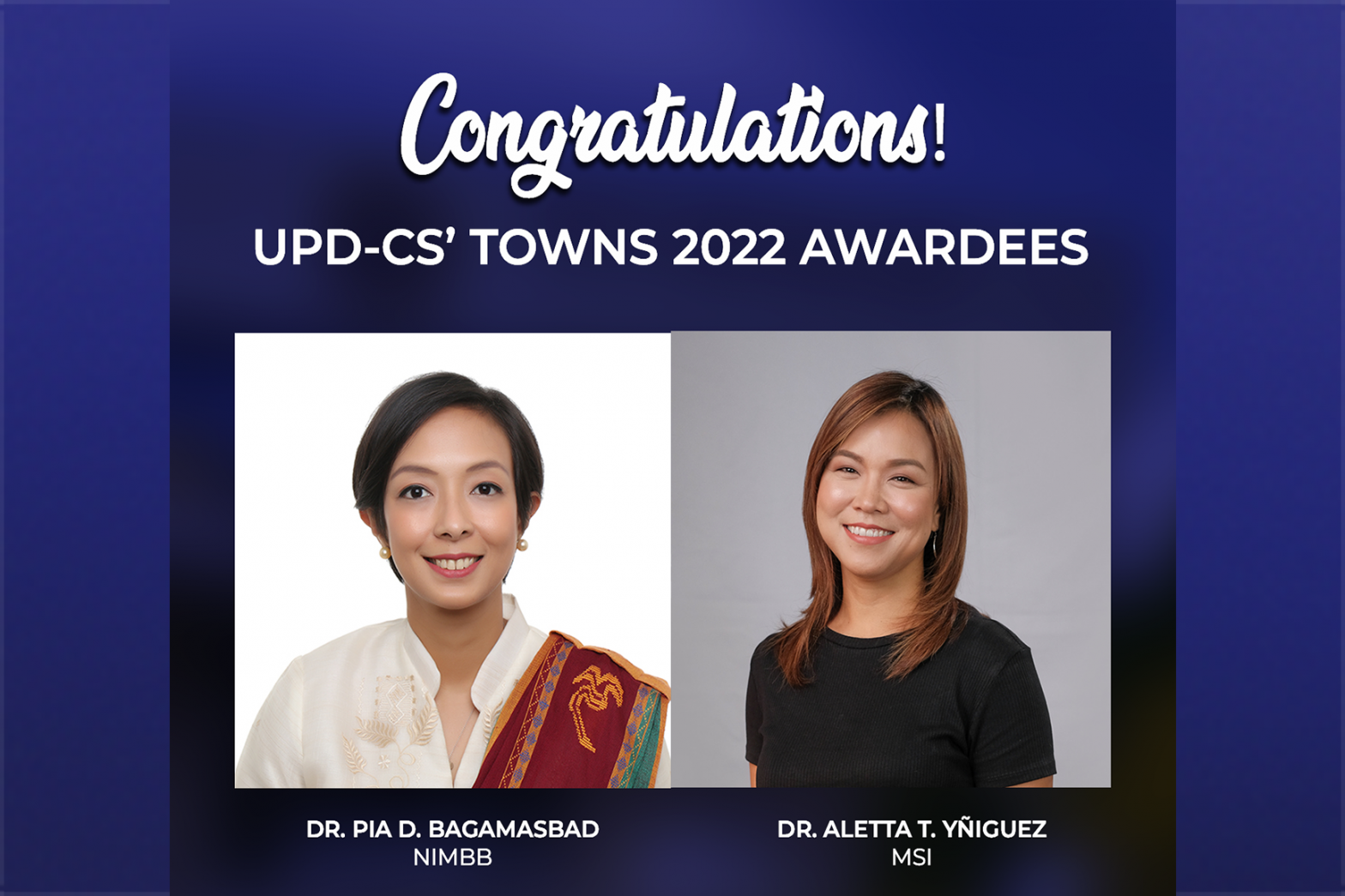
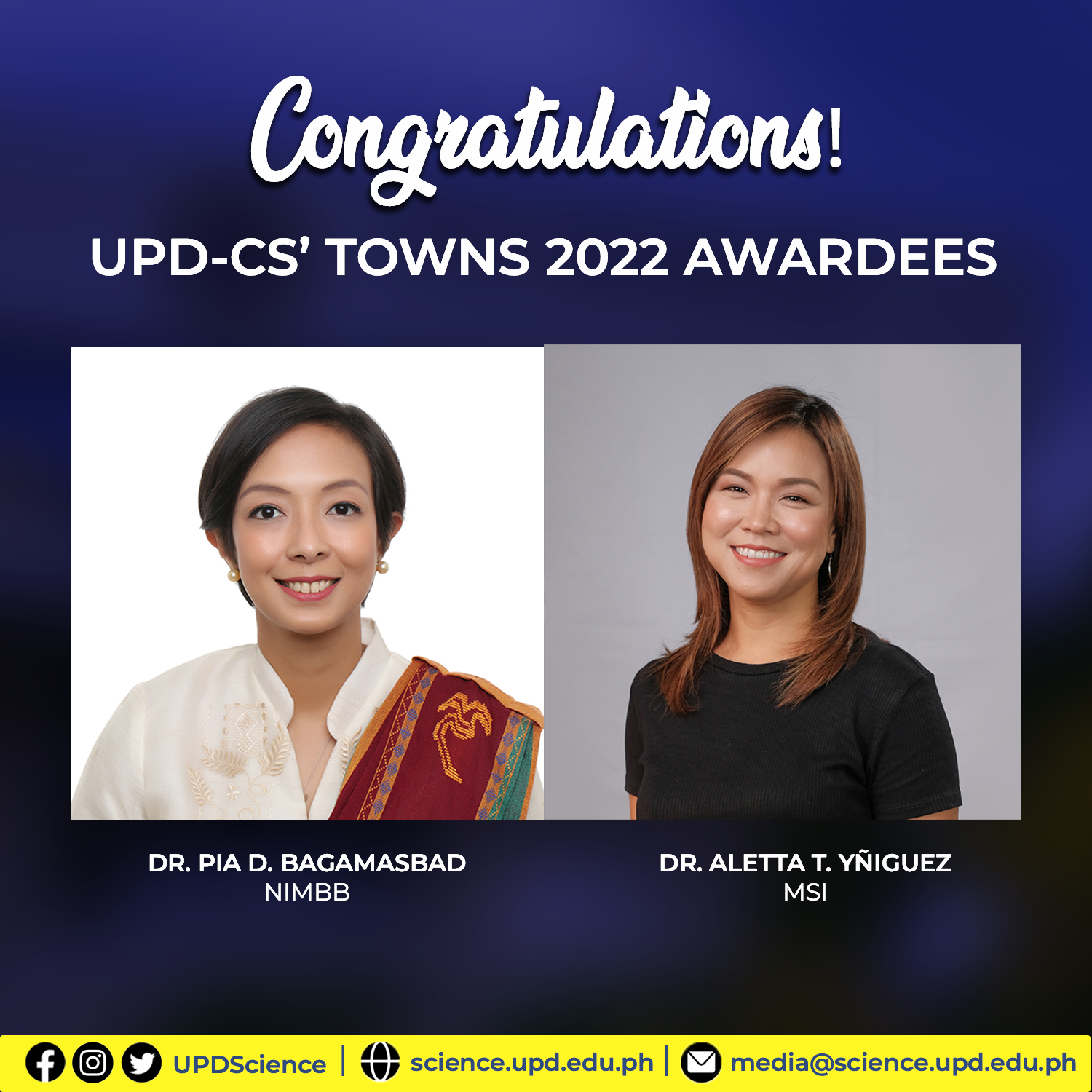
The Outstanding Women in the Nation’s Service (TOWNS) 2022 winners from The University of the Philippines – Diliman College of Science (UPD-CS) took center stage at the university’s annual celebration of Science, Technology, and Society (STS) Month in a free online forum entitled, “A Woman’s Place is Everywhere.”


A link to the full recording of the event can be found at the end of this release.


As Director of the National Institute of Molecular Biology and Biotechnology (NIMBB), Dr. Pia D. Bagamasbad has been a key player in the country’s pandemic response, while the Marine Science Institute’s (MSI’s) Dr. Aletta T. Yñiguez has continually been helping to improve the lives of fisherfolk and uplift the country’s fisheries sector through her work in marine biology. 


Together, Dr. Bagamasbad and Dr. Yñiguez highlight the wide range of impactful and far-reaching contributions of women in all fields of science.


Dr. Bagamasbad shared her personal experiences as one of the early frontliners in the COVID-19 crisis, where her team rose to the challenge of providing testing facilities and training at a time when much was still unknown about the virus. “It fills my heart to know that we helped make medical testing accessible,” she recalled. 


Dr. Yñiguez touched on her immersion in the country’s vast coastal ecosystems and the communities that live there, recalling how science is helping both improve our understanding of nature and alerting us to the dangers that threaten it—even while also providing the means for its protection. “We’re blessed with so many rich coastal habitats, but they’re threatened by local and global challenges,” she said.


Since 2018, the University of the Philippines has been celebrating STS Month every October in an effort to raise public appreciation of the interstices of science, technology, and society.


The full recording of the Forum can be found here: https://drive.google.com/drive/folders/11CwSOQnzjmJA8xSTouFUF1a58_7zmNyh

How to prepare for F2F classes, according to UP Scientists and admin experts

How to prepare for F2F classes, according to UP scientists and admin experts

Published: October 20, 2022

By: Eunice Jean C. Patron


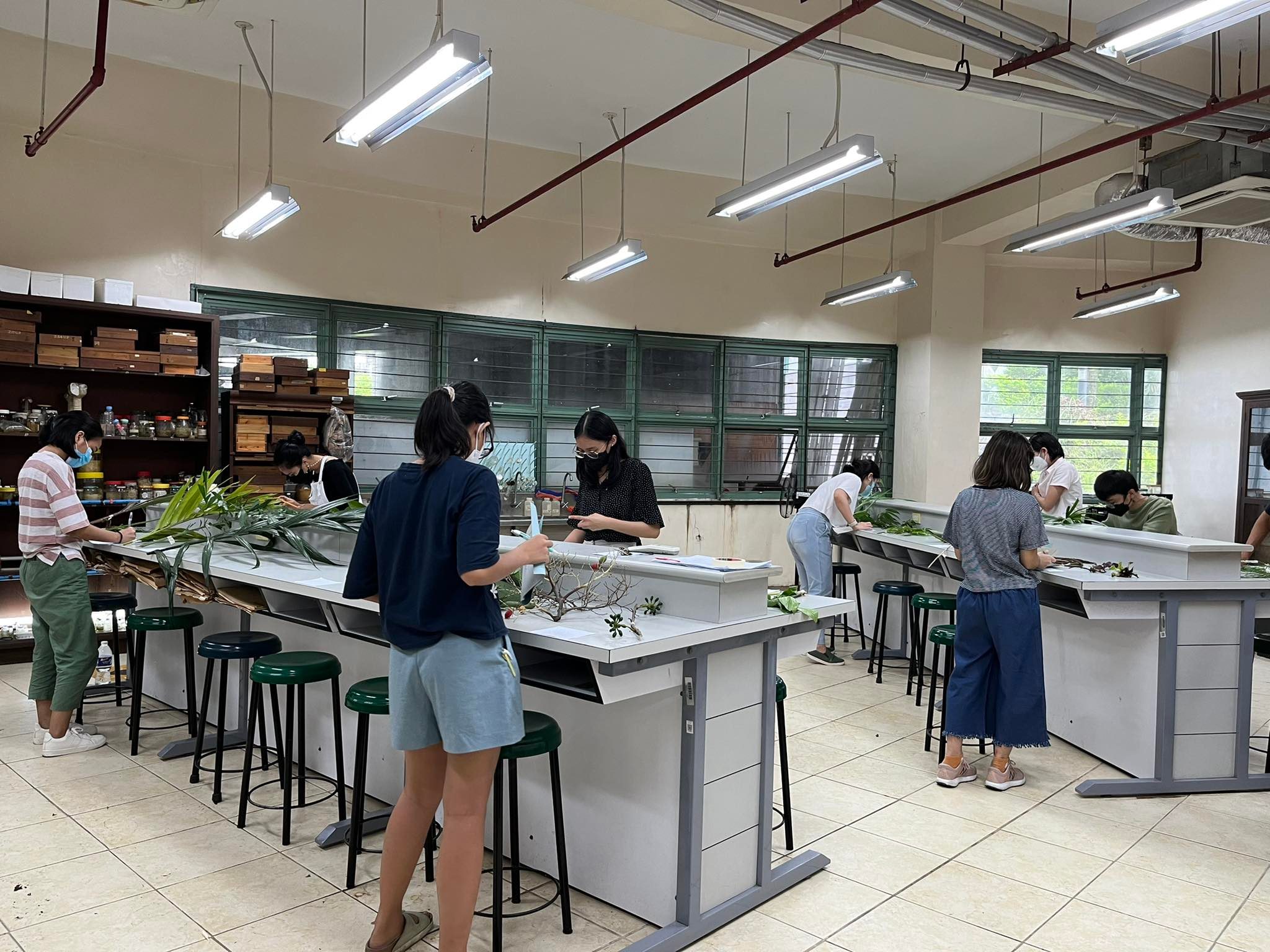
SAFETY FIRST. Biology students undertake a “move-type” laboratory exam in the Institute of Biology under strict safety guidelines and protocols. (Photo: Dr. Lillian Jennifer Rodriguez, UPD College of Science)

Experts from the University of the Philippines – Diliman are in agreement that precautionary and safety measures are still necessary in the wake of the COVID-19 pandemic, even though improved vaccination numbers across the country have warranted an overall easing of restrictions.


The experts also stressed the need for a carefully planned, calculated, and gradual return to face-to-face (F2F) classes to allow universities and schools enough time to adapt their facilities to accommodate hybrid learning. 


These were some of the key takeaways from “Pagbabalik sa Unibersidad: Mga Aral Batay sa Paghahanda at Karanasan,” a gathering of some of UP Diliman’s health experts and veteran administrators to tackle best practices for a safe and healthy transition back to F2F.


Organized by the University of the Philippines – Diliman College of Science (UPD-CS), the discussion was held simultaneously online and in person last October 17. The panel of experts represented a variety of disciplines and perspectives, with College of Mass Communication (CMC) Dean Dr. Fernando Paragas; College of Law (UP Law) Dean Carlo Vistan; CS Associate Dean for Mentoring, Academic Progress, and Advancement Dr. Eizadora Yu; Philippine Genome Center (PGC) Laboratory Manager and Clinical Health Officer Dr. Marc Edsel Ayes; Institute of Biology (IB) Biosafety Officer Dr. Ivan Imperial; and National Institute of Molecular Biology and Biotechnology (NIMBB) Deputy Director for Academic Affairs Dr. Ron Leonard Dy.


‘Hyflex’ classrooms and workspaces


The “hyflex”— or ‘hybrid-flexible” — event was not just a public forum but also a proof-of-concept showcasing the possibilities and benefits of such spaces for work and learning, moving forward. 


“It’s not easy shifting, especially if we’re trying to explore new modes of work and study,” said UPD-CS Dean Giovanni Tapang as he opened the discussion. “But today isn’t just about exploration, it’s about sharing and facing the problems of COVID head-on in terms of addressing the pandemic as well as continuing to pursue teaching and learning.”


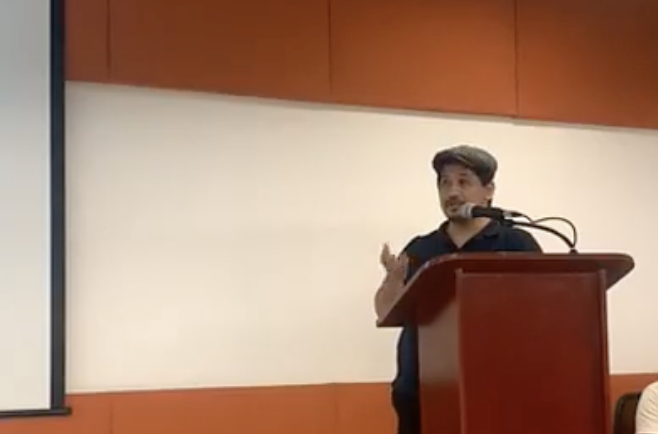
EXPLORING NEW MODALITIES. UPD-CS Dean Dr. Giovanni A. Tapang states the goals of the “hyflex” public forum as he welcomes the online and on-site attendees. (Photo: UPD College of Science Facebook Page)

“Newer virus variants are more infectious than those before them, but vaccines have blunted the rise of cases and prevented outbreaks from overwhelming our hospitals,” explained Dr. Ayes, a pandemic expert. However, he also warned against complacency: “Regardless of vaccine status, people can still get the virus but unvaccinated people are at the highest risk of severe complications.”


Dr. Yu agreed, underscoring the need for a “phased return” to F2F to enable institutions to design and implement safety measures, such as customized safety guidelines; improved ventilation and socially-distanced seating in classrooms; and easier and more stable online access for everyone.


“We recognize the flexibility afforded by blended learning to both students and faculty. CS needs to have a balanced approach to quality instruction, health risk assessment, response, and beyond,” Dr. Yu shared.


Hybrid work and study spaces are an immediate need


The experts raised the pressing need to accommodate hybrid online learning by creating bigger and more open spaces to allow social distancing, accompanied by stable internet connectivity and proper ventilation. Institutes under the CS, for example, retrofitted their laboratories to ensure safety while conducting F2F classes. “Science is experiential. We cannot wait until the pandemic is over or when COVID is declared endemic. Guidelines may change but some things remain,” said Dr. Yu.


Even UP Law resorted to bringing its library tables out into hallways and corridors to allow for proper distancing and ventilation. Dean Vistan recommended having more classrooms and areas where students can stay under safely distanced and well-ventilated conditions: “The ideal model for us is to have each class have its own classroom. Kasi even if we maximize our spacing, hindi pa rin kasya,” he said.


Importance of social media and direct communication


Dean Paragas also stressed the importance of always having a direct line with students. He shared how the CMC implemented its own back-to-school program, in which the College enhanced its visibility and ties to its constituents by having the dean himself manage the institution’s social media account. “Tuluy-tuloy pa rin [PR campaign] sa aming Facebook page. Alam nila na nandoon ako. Mahalaga na the students know I’m always there,” Dean Paragas said.


“Have a platform to be able to broadcast announcements really fast, so that when cases happen you have a way to mobilize and adapt,” added Dr. Dy. He presented a primer on F2F guidelines that students can use during their stay at the university and also recommended looping in student leaders to help disseminate information faster.


According to the speakers, the faculty, staff, and other community leaders should set an example to other UPD constituents by conducting regular F2F meetings while still following proper safety protocols. “Mahalagang makita ng faculty and students na nandoon kami sa building,” Dean Paragas further stated.


Crisis management teams


The gathered experts also underscored the need to establish clear protocols for handling suspected and confirmed COVID-19 cases, and delegating teams specifically tasked with handling various aspects of safety. 


“Every unit should have a proper crisis management team. There should be a COVID reporting system because voluntary reporting is crucial for ensuring safety in face-to-face activities and having a stock of rapid antigen test kits,” Dr. Dy said. Meanwhile, Dr. Imperial emphasized the importance of having antigen tests on hand, saying that “it is really helpful, even if it’s not the gold standard.” He also added that voluntary reporting of possible COVID-19 cases is essential. “We always emphasize that if you’re already symptomatic, stay at home,” he said.


UPD-CS Post-ECQ Team (PET) Chair Dr. Rene Rollon closed the forum by reiterating the critical role that PETs had in ensuring a well-planned shift to F2F learning.


UP Diliman bounces back from COVID-19


At the onset of the COVID-19 pandemic in early 2020, UP’s Diliman campus alone had 23,360 students attending regular F2F classes. The university administration quickly suspended work and classes on March 9, 2020, and things have never been the same since. The university’s faculty and staff had to immediately work remotely, juggling the challenges of new technologies and family obligations. Even now, there are still thousands of students who do not have access to computers and stable internet connection. After almost two years of a fully online learning setup, UP Diliman eased back into limited F2F classes this year, only accommodating some 400 students out of over 25,000 students in January 2022. For the current academic year, the university implemented blended learning after seeing the COVID-19 situation in the Philippines improve.


For more information and interview requests, please message media@science.upd.edu.ph.  

Pinay pioneers in biomedical and marine research win TOWNS 2022 Award

Pinay pioneers in biomedical and marine research win TOWNS 2022 Award

Published: October 5, 2022

By: Timothy James M. Dimacali

From the front lines of the COVID-19 pandemic to the forefront of ocean research, Filipina scientists from the University of the Philippines – Diliman College of Science (UPD-CS) are leading the country and the world in life sciences.

Two of the 11 winners of The Outstanding Women in the Nation’s Service (TOWNS) 2022 are both experts in life sciences from the UPD-CS. As Director of the National Institute of Molecular Biology and Biotechnology (NIMBB), Dr. Pia D. Bagamasbad has been a key player in the country’s pandemic response, while the Marine Science Institute’s (MSI’s) Dr. Aletta T. Yñiguez has continually been helping to improve the lives of fisherfolk and uplift the country’s fisheries sector through her work in marine ecology.


Spearheading Philippine COVID-19 response

With her years of extensive experience in using RT-PCR for various biomedical applications and assays, Dr. Bagamasbad quickly rose to prominence during the COVID-19 pandemic. Early on, she was able to train over a hundred medical technologists from dozens of testing laboratories and hospitals across the country in the use of RT-PCR testing. She is also deeply involved in research towards better understanding the molecular basis of hormone action and hormone-dependent cancers. As a researcher, she continually advocates government support for STEM practitioners, especially women scientists.


“My vision is for our country to get to a point where we have eliminated most, if not all, barriers to scientific progress, and prioritized the development of STEM professionals to give them enough motivation to stay,” Dr. Bagamasbad says.


ARAICoBeH, HABHub help empower fisherfolk

Meanwhile, Dr. Yñiguez is a well-known advocate of sustainable fishing practices and a staunch defender of marine ecology and biodiversity. Her marine research is focused on developing technologies and practices that can help oversee and protect coastal ecosystems, including an early-warning system for harmful algal blooms called HABHub. She and her team also developed a coastal monitoring system, officially called “A Rapid Assessment Instrument for Coastal Benthic Habitats”—but affectionately referred to by its tongue-in-cheek acronym, ARAICoBeH—that provides a low-cost way to take underwater photos of endangered areas such as coral reefs. Ultimately, Dr. Yñiguez is working towards forging close partnerships between coastal communities and public and private entities so that the science can be mainstreamed.


“It’s understandable that we want to have more and better production for a growing population and for economic growth, but the science and technologies to ensure sustainability and thus the health of the ecosystems for marine resources should also go hand-in-hand with these,” Dr. Yñiguez explains.


Inspiring future Filipina scientists

As professors at the UP Diliman College of Science, Drs. Bagamasbad and Yñiguez both continually inspire young students to become the country’s next generation of scientists. Their TOWNS win is a testament to the country and to the world of what Filipinas can aspire to and achieve. 


Since 1974, the TOWNS Awards have been bestowed on outstanding Filipino women between the ages 21 to 50 years old who have contributed invaluably to the country’s economic, social, and cultural development, as well as to national security and unity. The Awards are given every three years by the TOWNS Foundation, a non-profit organization whose members are committed to using their experience, skills, and resources to improve quality of life and to serve as catalysts for national development.


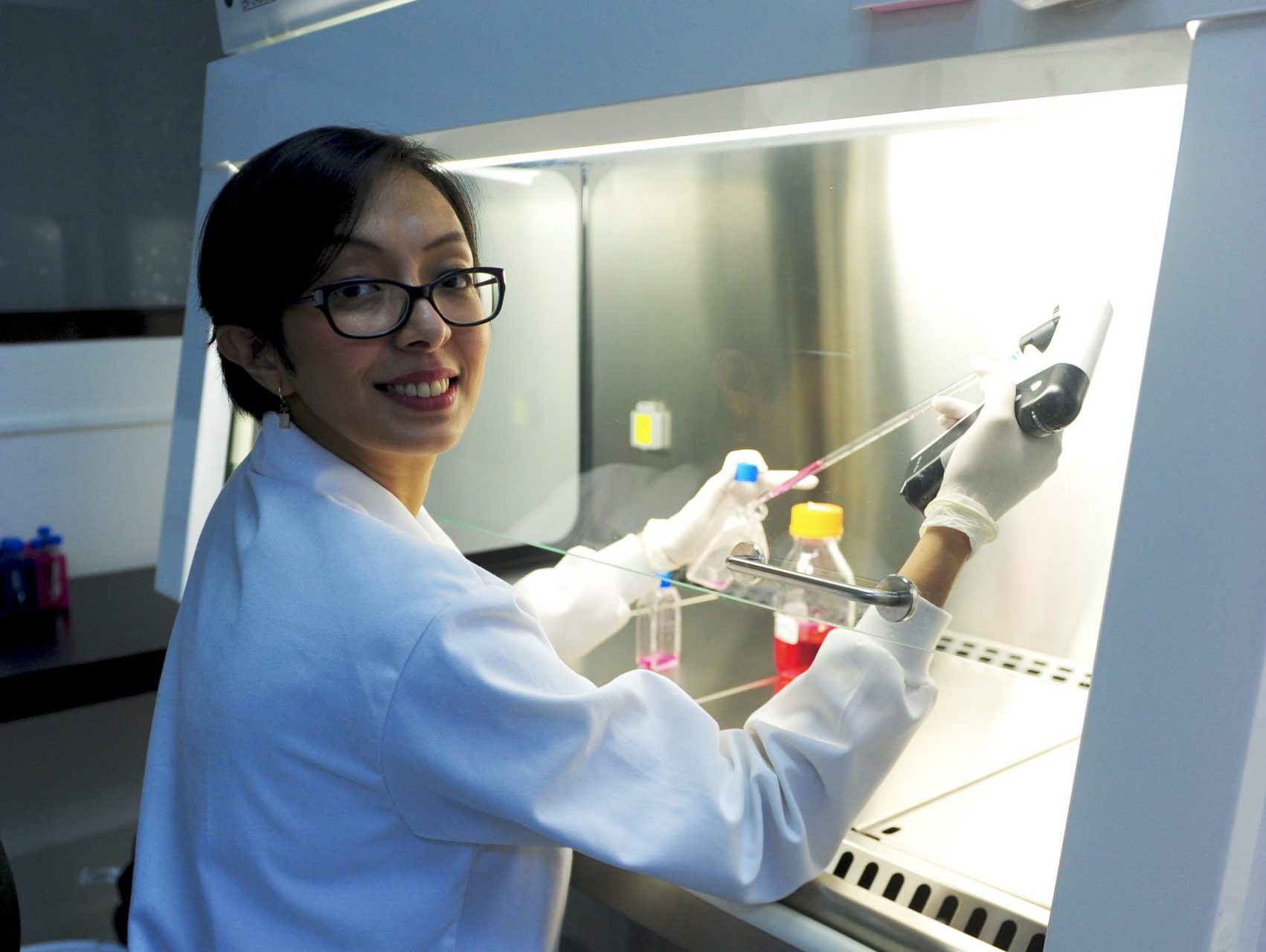
PDB PHOTO.jpg - National Institute of Molecular Biology and Biotechnology Director Dr. Pia D. Bagamasbad was at the forefront of the Philippines’ COVID-19 pandemic response, training hundreds of frontliners in the use of RT-PCR testing methods. (PHOTO CREDIT: Dr. Araw Longid)
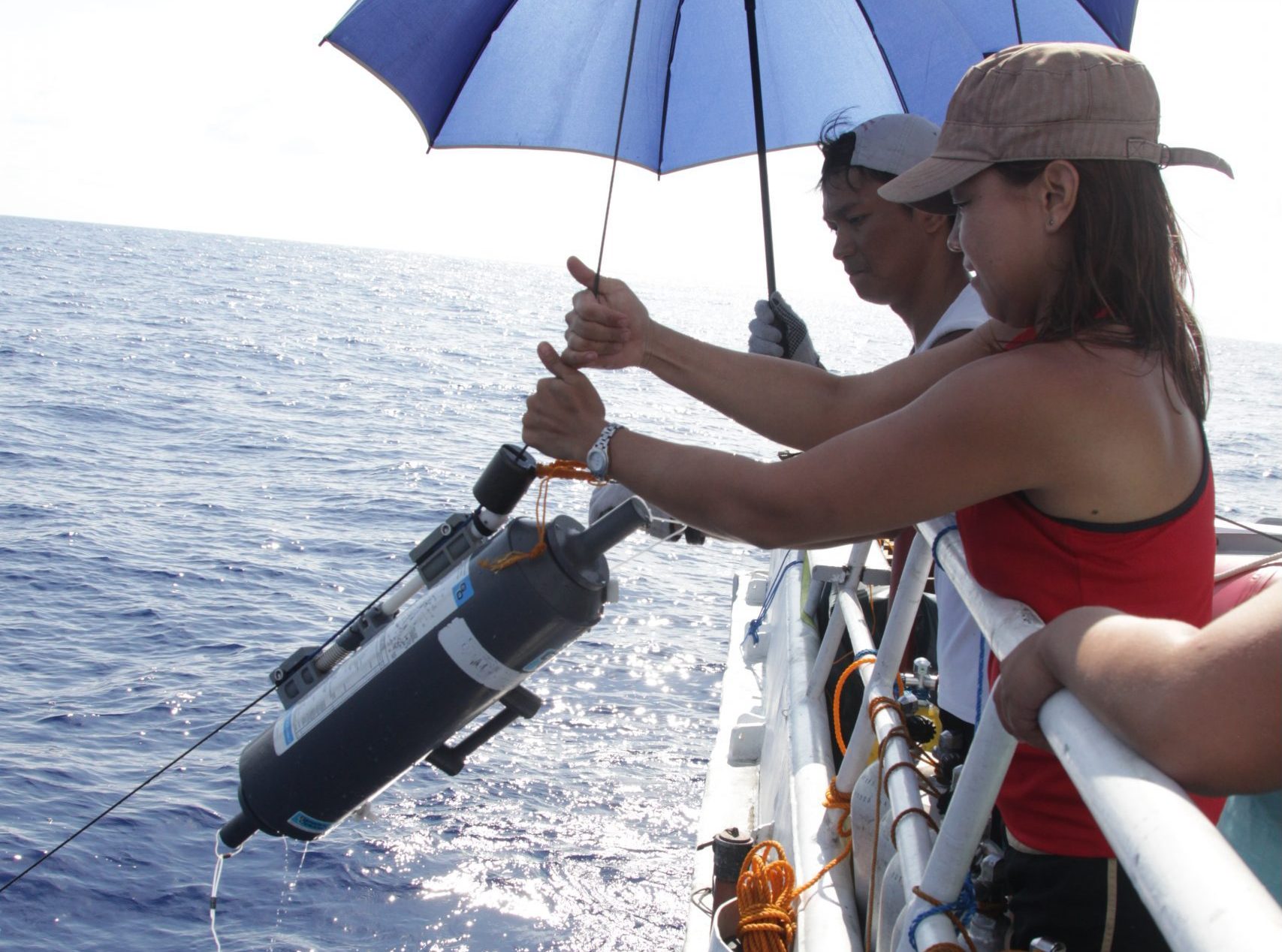
ATY PHOTO.jpg - Marine Science Institute professor Dr. Aletta T. Yñiguez is seen here exploring Benham Rise in 2019. Her marine research is geared towards empowering fisherfolk and conserving marine ecosystems. (PHOTO CREDIT: Jean Utzurrum)

In celebration of UPD’s Science, Technology, and Society (STS) Month, Dr. Bagamasbad and Dr. Yñiguez will be speaking at the online event, A Woman’s Place is Everywhere: A forum on the multidisciplinary works of UPD-CS’ TOWNS 2022 Awardees.Free and open to the public, the forum is hosted by the UPD College of Science and is scheduled for October 20, 2022 at 2:30-4pm. Those who are interested to attend may register via https://bit.ly/STSMonth.


For interview requests and additional information, visit https://fb.com/UPDScience or email media@science.upd.edu.ph  

Newly-discovered dolphin in Bicol hints at biodiversity under threat

Newly-discovered dolphin in Bicol hints at biodiversity under threat

Published: November 04, 2022
By: Maria Asheidee M. Masayon

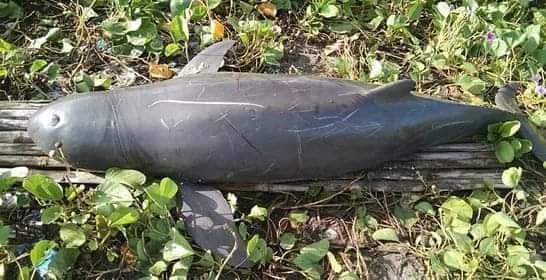
FIRST IN THE REGION. ‘Calab’ was a healthy subadult female Irrawaddy dolphin (Orcaella brevirostris), one of the world’s most endangered dolphin species. She is the first of her species ever to be found in the Bicol region. (Photo: BFAR V.)

The first-ever sighting of an Irrawaddy dolphin off the shore of Calabanga, Camarines Sur, has left scientists of the University of the Philippines excited but concerned over the possibility of as-yet undiscovered marine biodiversity in the region.


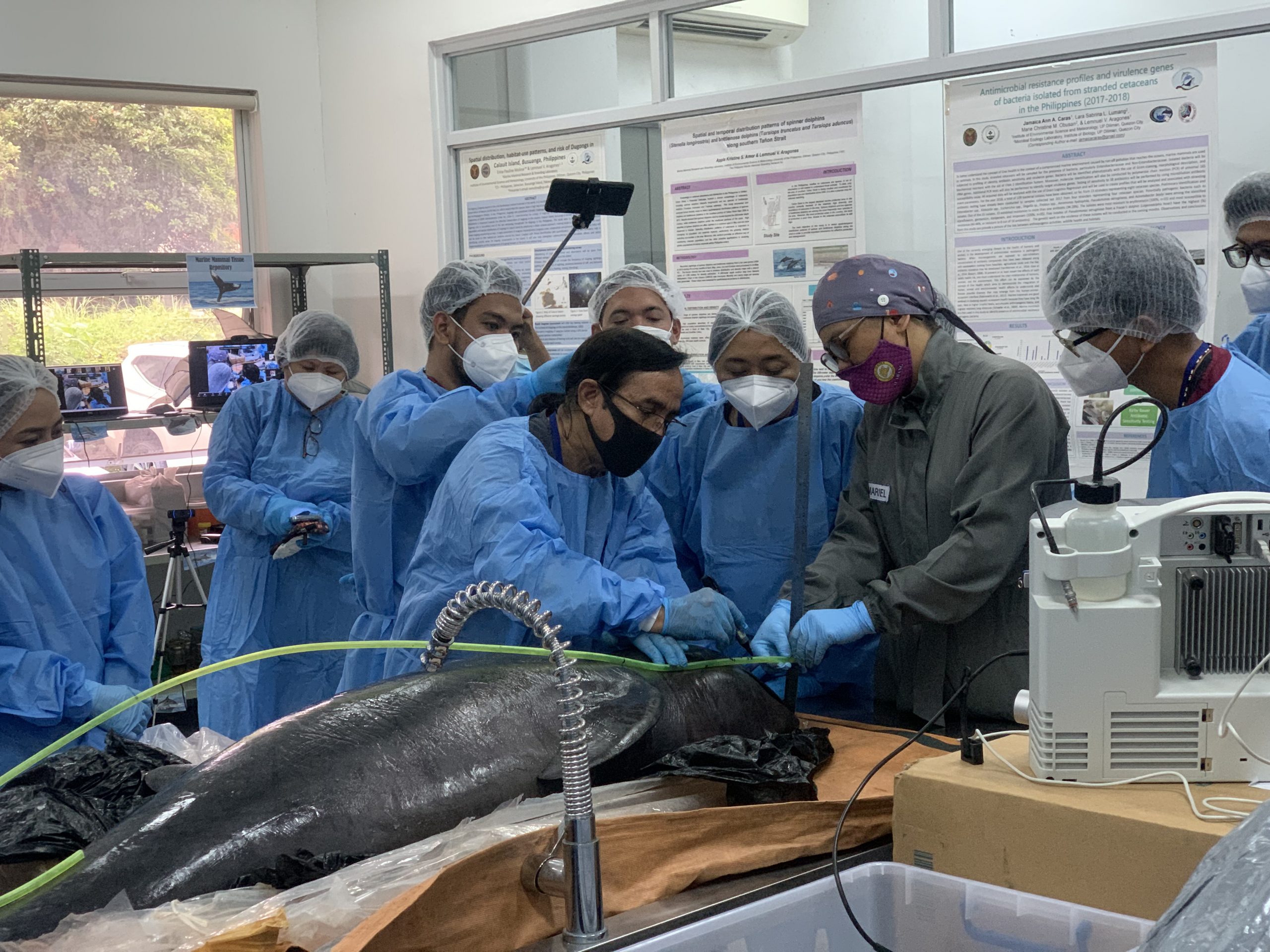
Nicknamed “Calab” by the Bureau of Fisheries and Aquatic Resources (BFAR) and the Philippine Marine Mammals Stranding Network (PMMSN), the dolphin was a healthy young female that unfortunately died after it accidentally got entangled in a fisherman’s net in San Miguel Bay off Calabanga, Camarines Sur, last Aug. 16. An autopsy found Calab’s stomach still full of undigested fish, indicating that she died relatively suddenly and unexpectedly.


“Calab’s death is an unfortunate incident, but it has paved the way to learning more about these rare and beautiful creatures,” said Dr. Lemnuel Aragones, the president of PMMSN and a professor at the Institute of Environmental Science and Meteorology (IESM) at the University of the Philippines Diliman.


Irrawaddy dolphins (Orcaella brevirostris) are characterized by gray or dark-blue backs and pale bellies. O. brevirostris has a high tolerance to various levels of salinity, which enables the species to live in areas where salty seawater and freshwater meet – such as in the mouths of rivers and bays. They are among the world’s most endangered dolphin species, indicated as critically endangered on the Red List of the International Union for Conservation of Nature (IUCN). They are also considered critically endangered by the Philippine Department of Environment and Natural Resources (DENR). 


This is the first time that an Irrawaddy dolphin was found on the Pacific or Eastern side of the Philippines. Apart from other Irrawaddy dolphin populations in South and Southeast Asia, all previous sightings in the Philippines were exclusively in the Western part of the archipelago – in Malampaya Sound, Palawan, and in the Iloilo-Guimaras Strait.


Experts have yet to understand how Irrawaddy dolphins found their way to Palawan, Iloilo, and Bicol. Aragones suggests that they might have been there since prehistoric times, before humans arrived in the archipelago and possibly even before humans existed at all, when environmental conditions were likely optimal for widespread migration.


“Basically, the populations have been there for a very long time, we just didn’t know to look for them,” he explained. Despite needing air to breathe, dolphins generally spend as much as 95% of their lives underwater, enabling them to elude discovery.


Aragones is eager to know more about other possible marine mammal species in San Miguel Bay. Calab is proof, he said, that there is still so much yet to be discovered in the Philippines’ richly biodiverse waters. He and his team of marine mammal scientists and local BFAR personnel are scheduled to visit San Miguel Bay to hopefully find more Irrawaddy dolphins and study them in their natural habitat.


Meanwhile, without a proper survey and understanding of the area’s ecosystems, unregulated human activity could kill off not just Irrawaddy dolphins but other possible as-yet undiscovered species in the area. Unsustainable and illegal fishing practices as well as poorly-planned infrastructure threaten to disrupt local marine environments and biodiversity even before scientists have a chance to study them. 


For further information and requests for interviews, please email media@science.upd.edu.ph

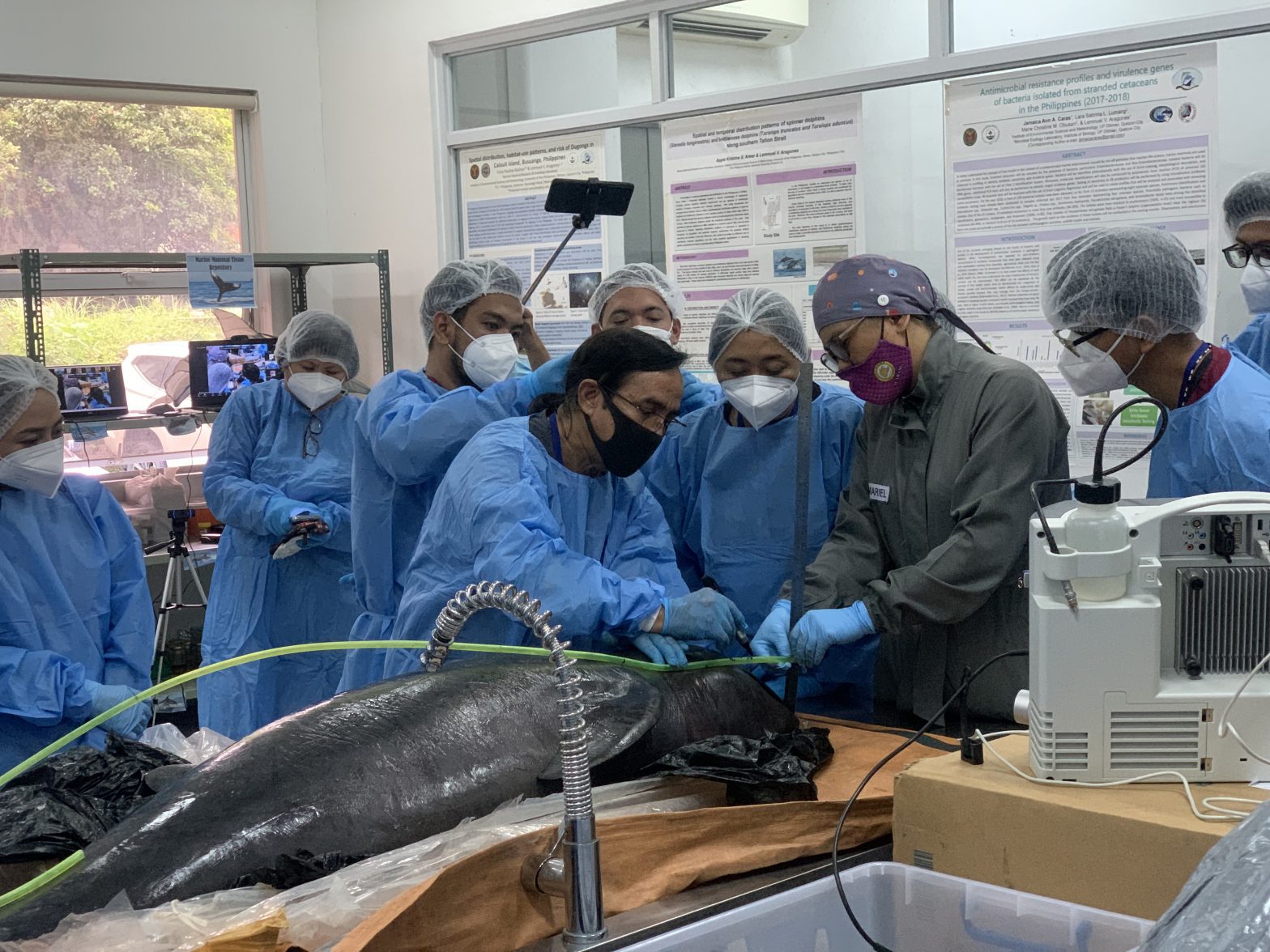
A LEARNING OPPORTUNITY. Dr. Lem Aragones (in black mask) and Dr. Mariel Buccat (in gray scrubs) prepare to conduct a detailed study of Calab’s remains. (Photo: Shedy Masayon, UP Diliman).

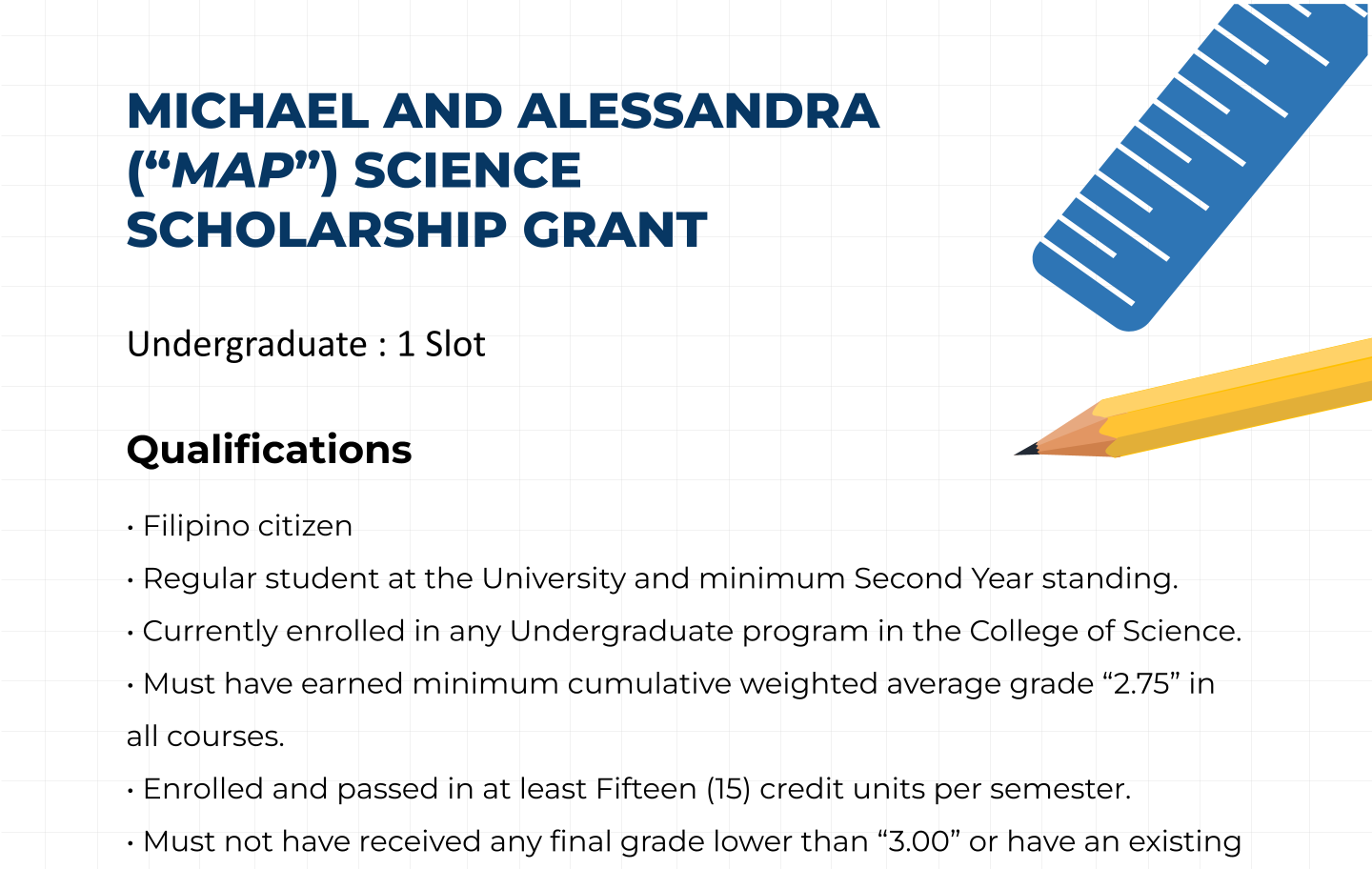
Michael and Allesandra (“MAP”) Science Scholarship Grant

Michael and Allesandra ("MAP") Science Scholarship Grant

Slot: 1


Qualifications:


1. Must be a Filipino Citizen.
2. Regular student at the University and minimum Second Year standing.
3. Currently enrolled in any Undergraduate program in the College of Science.
4. Must have earned minimum cumulative weighted average grade “2.75” in all courses.
5. Enrolled and passed in at least Fifteen (15) credit units per semester.
6. Must not have received any final grade lower than “3.00” or have an existing grade of “INC”.
7. Parents / Guardian’s combined annual gross income is not more than Three Hundred Thousand Pesos (P 300,000.00).
8. Must have not been held liable in any disciplinary action.

9. Must have been of good moral character and must not has been convicted on any crime.


Benefits:

1. Stipend: P 50, 000 / Sem
2. Miscellaneous Expenses (Book Allowance): P 15, 000 / Sem

3. Incentive: P 20, 000 / end of the consecutive second semester


Deadline: October 31, 2022


Please submit the following requirements:


1. Accomplished Scholarship Form
2. ITR (Latest)
3. TCG
4. Form 5
5. GMC

6. OSE Clearance


to adsapa_staff@science.upd.edu.ph


The Centennial

Office of the Associate Dean for Mentoring and Academic Progress and Advancement (OADMAPA)

OADMAPA - Office of the Associate Dean for Mentoring and Academic Progress and Advancement

Nulla quis lorem ut libero malesuada feugiat. Donec sollicitudin molestie malesuada. Sed porttitor lectus nibh. Praesent sapien massa, convallis a pellentesque nec, egestas non nisi. Cras ultricies ligula sed magna dictum porta. Donec sollicitudin molestie malesuada. Vestibulum ante ipsum primis in faucibus orci luctus et ultrices posuere cubilia Curae; Donec velit neque, auctor sit amet aliquam vel, ullamcorper sit amet ligula. Donec sollicitudin molestie malesuada. Curabitur aliquet quam id dui posuere blandit. Curabitur arcu erat, accumsan id imperdiet et, porttitor at sem.

Executive Staff

Eizadora T. Yu, Ph.D.

Associate Dean

Administrative Staff

Jan Linzelle Tono

Senior Office Assistant

Jairah Grace

Senior Office Assistant

Nel

Senior Office Assistant

Angelo

Senior Office Assistant

DOST Staff

Rafael Sinco

Senior ICT

Josh Fallesgon

Junior ICT​

Billy Ray Billones

Junior ICT​

Contact Information

Email: adsapa_staff@science.upd.edu.ph

8981-8500 local 380

Office of the Associate Dean for Facilities and Resources Management (OADFARM)

OADFARM - Office of the Associate Dean for Facilities and Resources Management

Nulla quis lorem ut libero malesuada feugiat. Donec sollicitudin molestie malesuada. Sed porttitor lectus nibh. Praesent sapien massa, convallis a pellentesque nec, egestas non nisi. Cras ultricies ligula sed magna dictum porta. Donec sollicitudin molestie malesuada. Vestibulum ante ipsum primis in faucibus orci luctus et ultrices posuere cubilia Curae; Donec velit neque, auctor sit amet aliquam vel, ullamcorper sit amet ligula. Donec sollicitudin molestie malesuada. Curabitur aliquet quam id dui posuere blandit. Curabitur arcu erat, accumsan id imperdiet et, porttitor at sem.

Executive Staff

Marian P. Roque, Ph.D.

Associate Dean

Administrative Staff

Jan Linzelle Tono

Senior Office Assistant

Jairah Grace

Senior Office Assistant

Nel

Senior Office Assistant

Angelo

Senior Office Assistant

Engineers and Architects Staff

Rafael Sinco

Senior ICT

Josh Fallesgon

Junior ICT​

Billy Ray Billones

Junior ICT​

Contact Information

Email: adsapa_staff@science.upd.edu.ph

8981-8500 local 380

Office of the Associate Dean for Research, Innovation, Development and Enterprise (OADRIDE)

OADRIDE - Office of the Associate Dean for Research, Innovation, Development and Enterprise

Coordinates the research and extension programs of the college; develops strategies to facilitate growth of research and extension activity; foster research collaborations across the Institutes, with units of the University, and external organizations; supervises the maintenance of research and extension databases, including faculty research projects, publications and extension activities; advises faculty & researchers in the preparation of research proposals, applications for research load credit, tax policy and intellectual property (IP) issues, including assistance on IP registration; disseminates to faculty, researchers and students information about research opportunities; coordinates with ADSAPA for the dissemination to the public the research and extension activities and accomplishments of the College; schedules and coordinates the Graduate Research Colloquium; liaises with the OVCRD, OEC and OVPAA and represents the College in appropriate university committees, review teams, and other relevant bodies; and performs other functions as may be assigned by the Dean.

Executive Staff

Ricky B. Nellas, Ph.D.

Associate Dean

Administrative Staff

Jan Linzelle Tono

Senior Office Assistant

Jairah Grace

Senior Office Assistant

Nel

Senior Office Assistant

Angelo

Senior Office Assistant

ICT Staff

Rafael Sinco

Senior ICT

Josh Fallesgon

Junior ICT​

Billy Ray Billones

Junior ICT​

Contact Information

Email: adsapa_staff@science.upd.edu.ph

8981-8500 local 380

Office of the Associate Dean for Student, Alumni, and Public Affairs (OADSAPA)

OADSAPA - Office of the Associate Dean for Student, Alumni, and Public Affairs

Nulla quis lorem ut libero malesuada feugiat. Donec sollicitudin molestie malesuada. Sed porttitor lectus nibh. Praesent sapien massa, convallis a pellentesque nec, egestas non nisi. Cras ultricies ligula sed magna dictum porta. Donec sollicitudin molestie malesuada. Vestibulum ante ipsum primis in faucibus orci luctus et ultrices posuere cubilia Curae; Donec velit neque, auctor sit amet aliquam vel, ullamcorper sit amet ligula. Donec sollicitudin molestie malesuada. Curabitur aliquet quam id dui posuere blandit. Curabitur arcu erat, accumsan id imperdiet et, porttitor at sem.

Executive Staff

Lillian Jennifer V. Rodriguez, Ph.D.

Associate Dean
Student, Alumni, and Public Affairs

Administrative Staff

Lorina A. Dacles

University Research Associate I

Leandro F. Sampang

Senior Office Assistant

Science Communication Staff

Timothy James Dimacali

Science Communications Head

Marie Asheidee Masayon

Senior Science Communicator

Eunice Jean Patron

Senior Science Communicator

Genesis Mercado

Graphic Designer

Contact Information

Office of the Associate Dean for Student, Alumni, and Public Affairs (OADSAPA)

Email: adsapa_staff@science.upd.edu.ph

8981-8500 local 3805