

The Philippines, located within the Coral Triangle, is recognized as one of the world’s richest marine ecosystems. Yet, many marine species—such as carybdeid box jellyfish—remain poorly documented. Their potent venom and ecological significance underline the importance of conducting accurate taxonomic studies on box jellyfish.
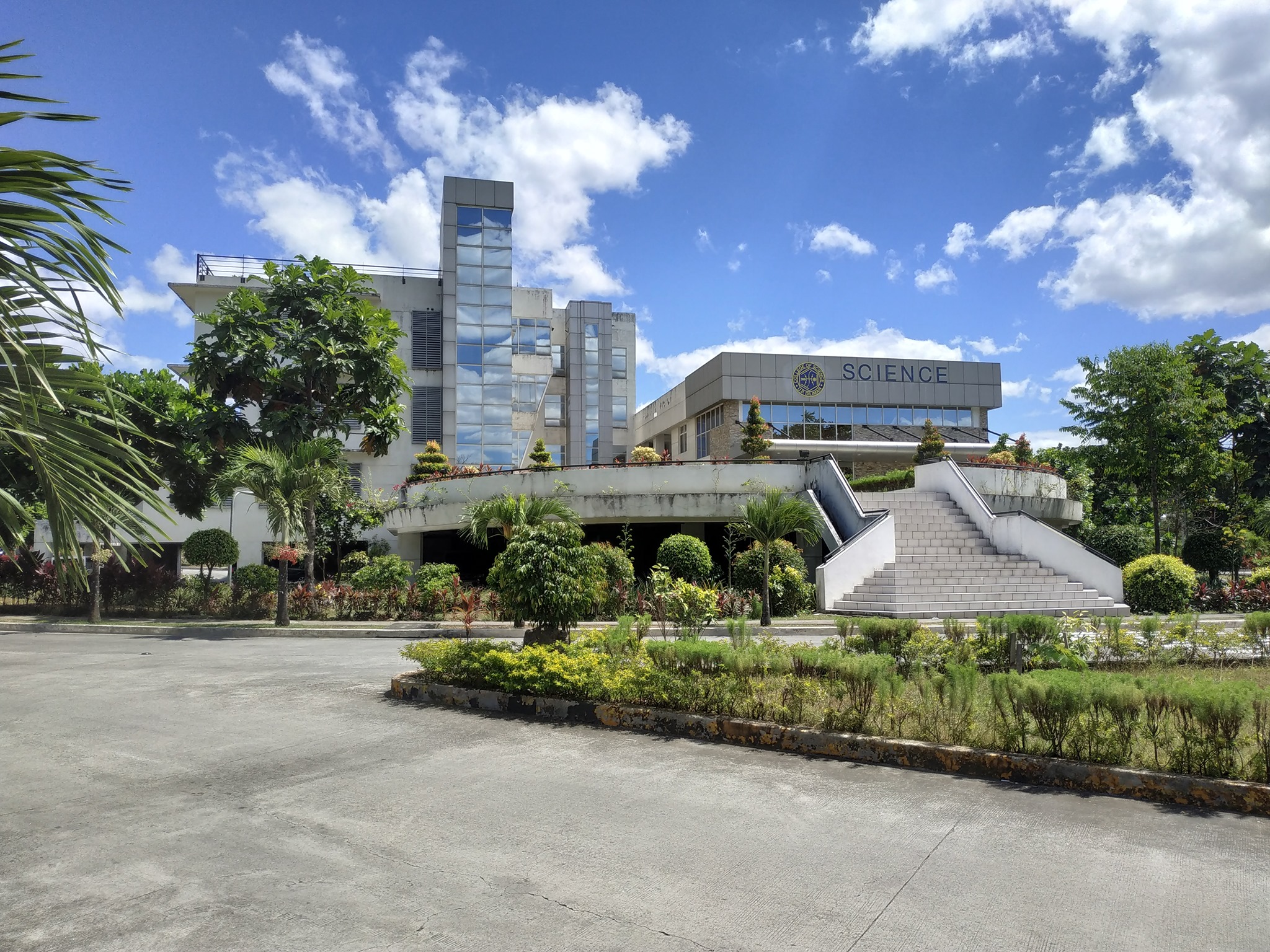
As previously announced, the deadline for the: 1. Application for Readmission (from AWOL and other cases) and; 2. Appeal for Extension of Free Tuition, is on JANUARY 6, 2026
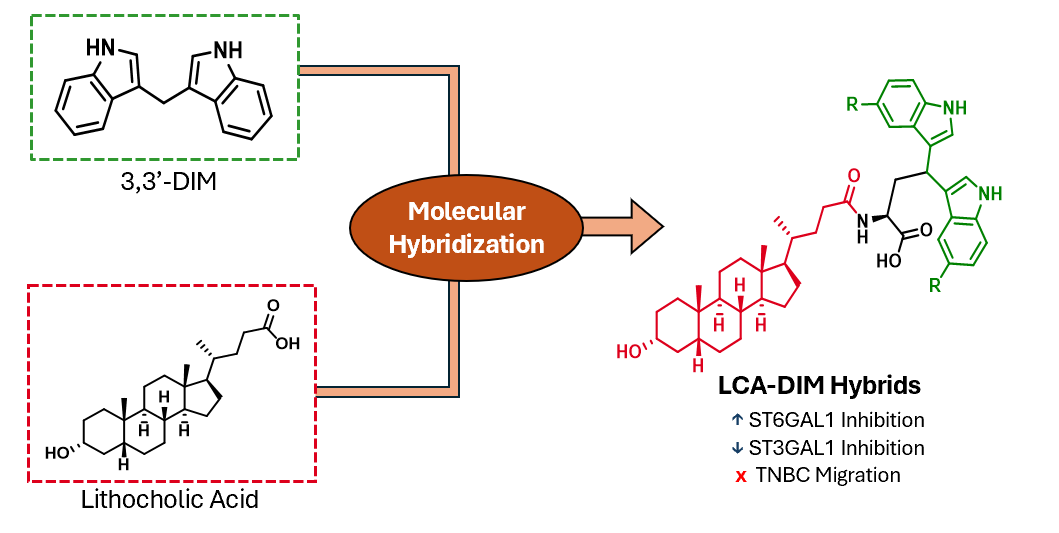
Ayon sa International Agency for Research on Cancer (IARC), nakapagtala ang Pilipinas ng halos 189,000 na bagong kaso ng kanser at higit na 113,000 pagkamatay dahil dito noong 2022. Tinatayang tataas pa sa mahigit 35 milyon ang bagong kaso ng cancer sa buong mundo pagsapit ng 2050. Samantala, naiulat naman sa 2025 Philippine National Cancer Summit na mahigit 180,000 bagong kaso ang naitatala kada taon at tinatayang mahigit 300 Pilipino ang namamatay dahil sa cancer bawat araw. Ipinapakita ng nakababahalang istatistika na ito ang agarang pangangailangan para sa patuloy na pananaliksik at inobasyon sa paggamot sa cancer.
According to the International Agency for Research on Cancer (IARC), the Philippines recorded nearly 189,000 new cancer cases and more than 113,000 cancer-related deaths in 2022. Globally, IARC also projects that the number of new cases will rise to over 35 million by 2050, which is a 77% increase from 2022 figures. Meanwhile, the 2025 Philippine National Cancer Summit reports that more than 180,000 new cases are diagnosed each year and cancer is estimated to cause over 300 Filipino deaths daily. These alarming statistics highlight the urgent need for continued research and innovation in cancer treatment.

You are invited to ZUMBA Mondays starting this December 1, 2025 4:00 PM at the NIMBB Room 105-107!
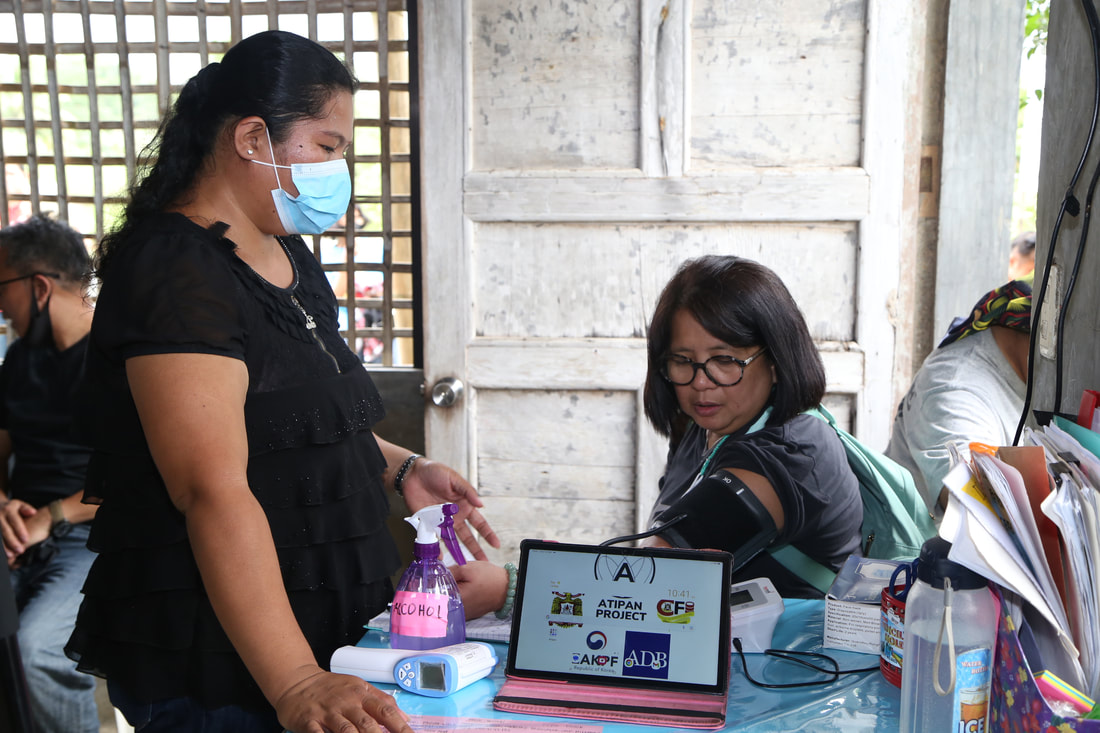
Ang mga liblib na komunidad sa Pilipinas ay nahaharap sa mga hamon na humahadlang sa kanilang pag-access sa mga de-kalidad na healthcare service. Bilang tugon, ipinatupad ni Dr. Romulo De Castro at ng kanyang grupo ang ATIPAN Project, na naglalayong iparating ang digital health sa mga marginalized na komunidad.