SCIENCE – University of the Philippines Diliman



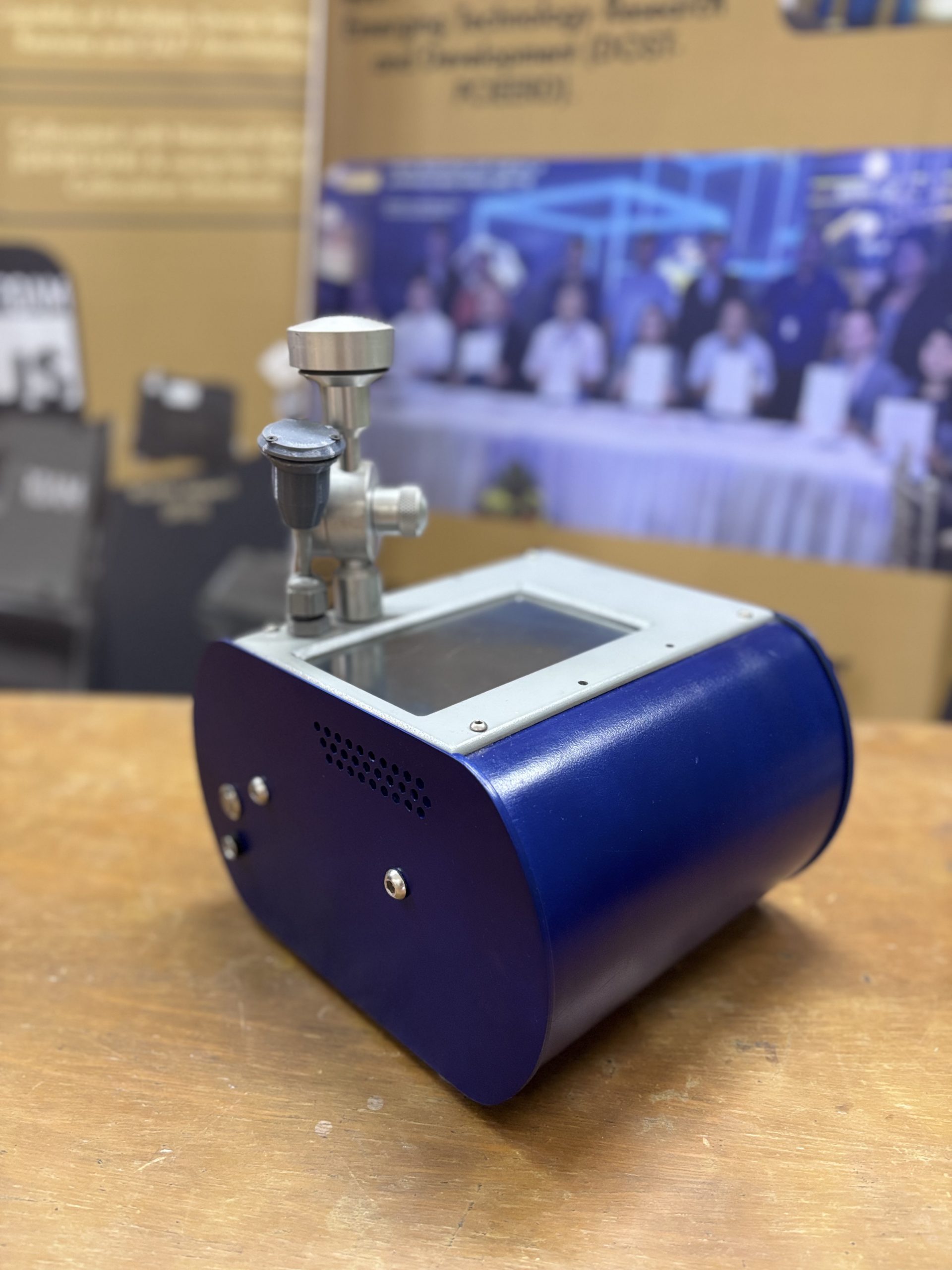
The World Health Organization (WHO) emphasized this year that air quality monitoring is crucial for understanding the health effects of air pollution and tracking efforts in reducing it. Combining scientific inquiry and engineering in air quality research, Dr. Len Herald Lim of the University of the Philippines – Diliman College of Science’s Institute of Chemistry (UPD-CS IC) co-developed the Robust Optical Aerosol Monitor (ROAM)—the first Filipino-made air quality monitoring device—in 2014.
2 First-Year Undergraduate Student Slots
- Stipend of Thirty Thousand Pesos (PHP 30,000), with PHP 10,000 to be disbursed during the first month and PHP 5,000 each to be disbursed during the next four months of each semester for four (4) academic years.
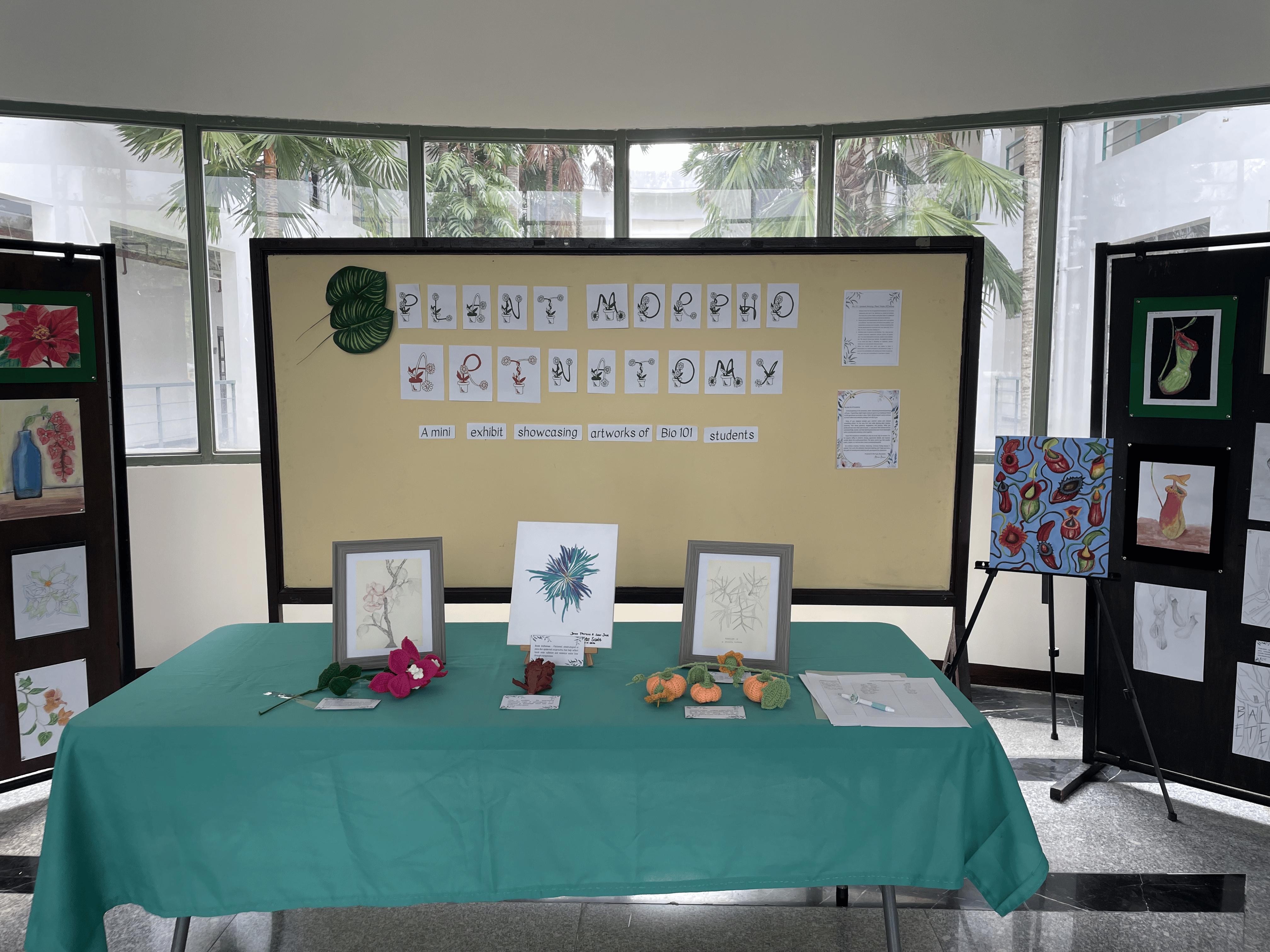
Noong Mayo 2026, ang Institute of Biology (IB) ng Unibersidad ng Pilipinas Diliman – College of Science (UPD-CS) ay nag-host ng mini exhibition na “Plant Morpho-ARTnatomy”, na nagpapakita ng mga gawa ng mga mag-aaral ng Biology 101. Itinatampok sa mga ipinakitang likhang sining ang mga specimen at istruktura ng halaman na pinag-aralan ng mga mag-aaral, na ginawa sa iba't ibang media—gaya ng charcoal, watercolor, lapis, acrylic, oil, at pastel—na inilatag sa iba’t ibang materyales tulad ng canvas, papel, kahoy, at mga tabla. Pinaglaanan ng bonus points ang mga mag-aaral na lumahok sa eksibisyon bilang pagsumite ng kanilang sining.
The World Health Organization (WHO) emphasized this year that air quality monitoring is crucial for understanding the health effects of air pollution and tracking efforts in reducing it. Combining scientific inquiry and engineering in air quality research, Dr. Len Herald Lim of the University of the Philippines – Diliman College of Science’s Institute of Chemistry (UPD-CS IC) co-developed the Robust Optical Aerosol Monitor (ROAM)—the first Filipino-made air quality monitoring device—in 2014.
2 First-Year Undergraduate Student Slots
- Stipend of Thirty Thousand Pesos (PHP 30,000), with PHP 10,000 to be disbursed during the first month and PHP 5,000 each to be disbursed during the next four months of each semester for four (4) academic years.
Noong Mayo 2026, ang Institute of Biology (IB) ng Unibersidad ng Pilipinas Diliman – College of Science (UPD-CS) ay nag-host ng mini exhibition na “Plant Morpho-ARTnatomy”, na nagpapakita ng mga gawa ng mga mag-aaral ng Biology 101. Itinatampok sa mga ipinakitang likhang sining ang mga specimen at istruktura ng halaman na pinag-aralan ng mga mag-aaral, na ginawa sa iba't ibang media—gaya ng charcoal, watercolor, lapis, acrylic, oil, at pastel—na inilatag sa iba’t ibang materyales tulad ng canvas, papel, kahoy, at mga tabla. Pinaglaanan ng bonus points ang mga mag-aaral na lumahok sa eksibisyon bilang pagsumite ng kanilang sining.
IB
CHEM (2)
IESM (1)

MATH (1)
MSEP2

MSI (1)
NIGS

NIMBB
NIP

SSP

NSRI Logo_New
CSRC
CS LIB