
SCIENCE – University of the Philippines Diliman



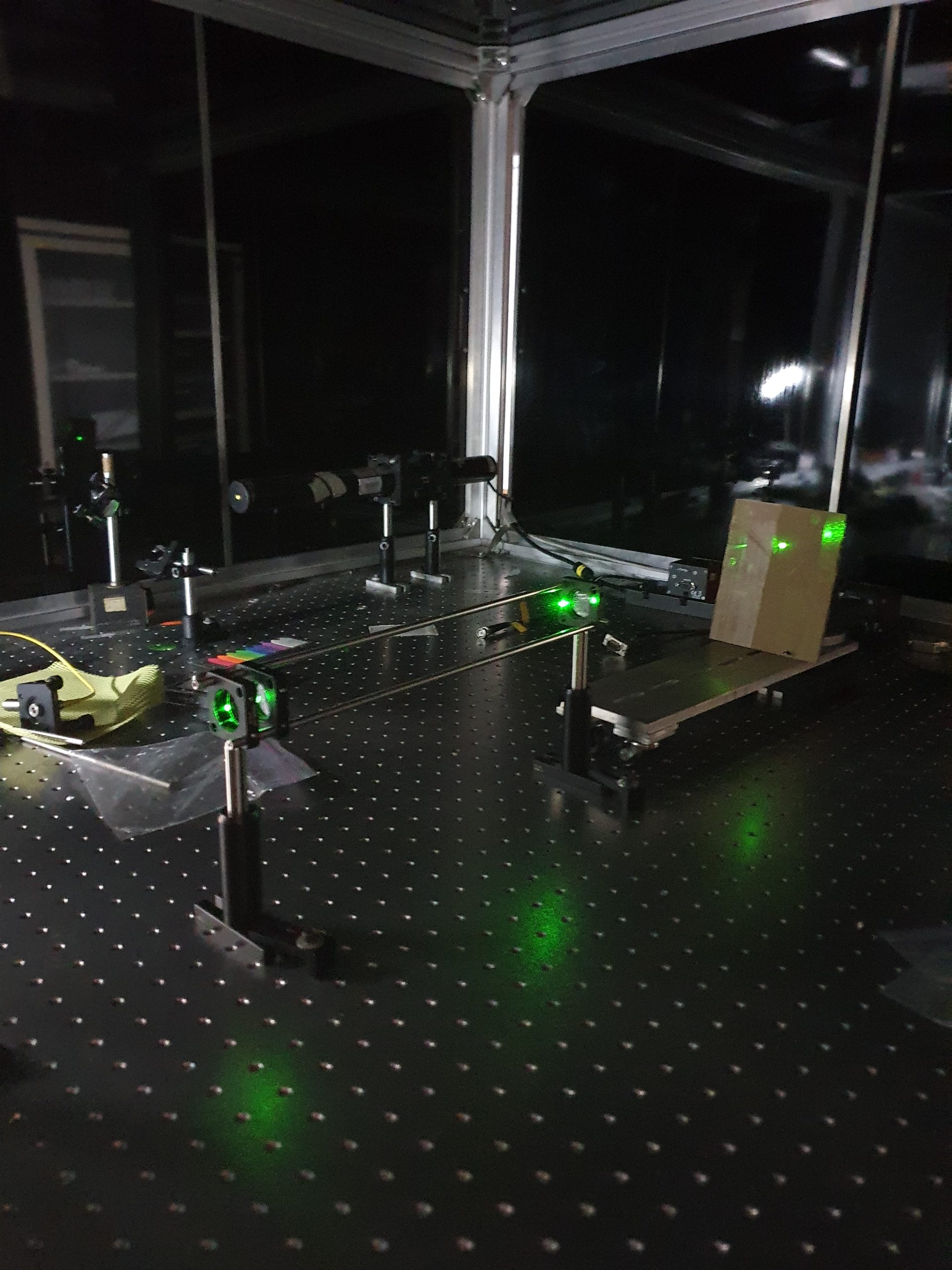
A laser reflecting off glass looks like it follows the mirror rule—angle in equals angle out. But with sensitive tools, the spot shifts slightly, no bigger than a strand of hair. This elusive effect, called the Goos–Hänchen (GH) shift, was recently explored by scientists from the UP Diliman College of Science (UPD-CS) in materials that barely absorb light—such as those used in semiconductors and photonics.
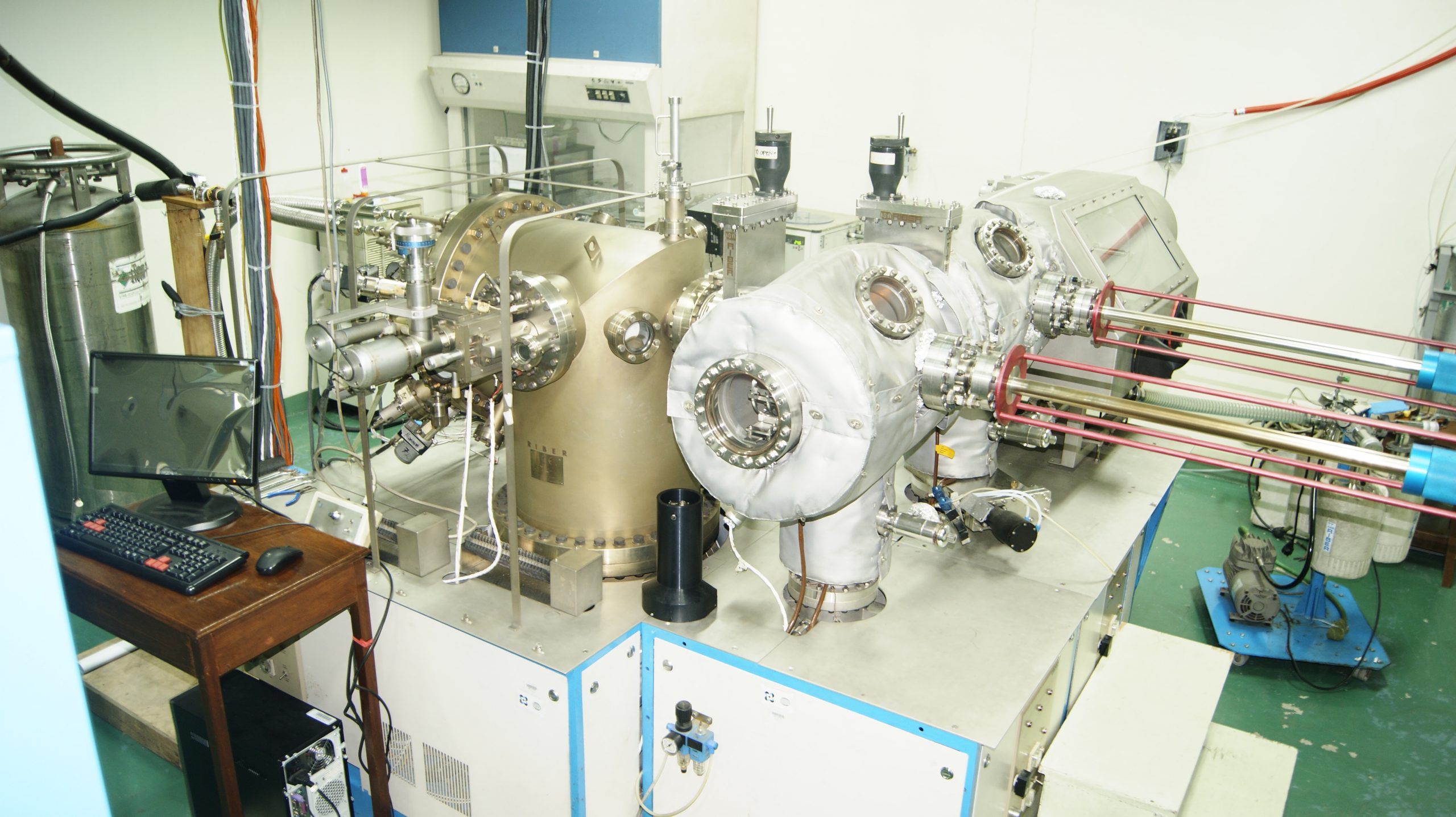
Nakabuo ng bagong semiconductor structure ang mga syentista ng UP Diliman College of Science na pwedeng magbigay-daan sa mas abot-kaya at mas reliable na Terahertz (THz) technology. Isa sa mga layunin ng THz research ay palawakin ang paggamit ng THz-Time Domain Spectroscopy (THz-TDS). Nalutas ng imbensyong ito ang pangunahing hadlang na teknikal at ekonomikal sa paggamit ng THz technology, na maaring magamit sa mga aplikasyon tulad ng medical imaging at high-speed wireless communication.
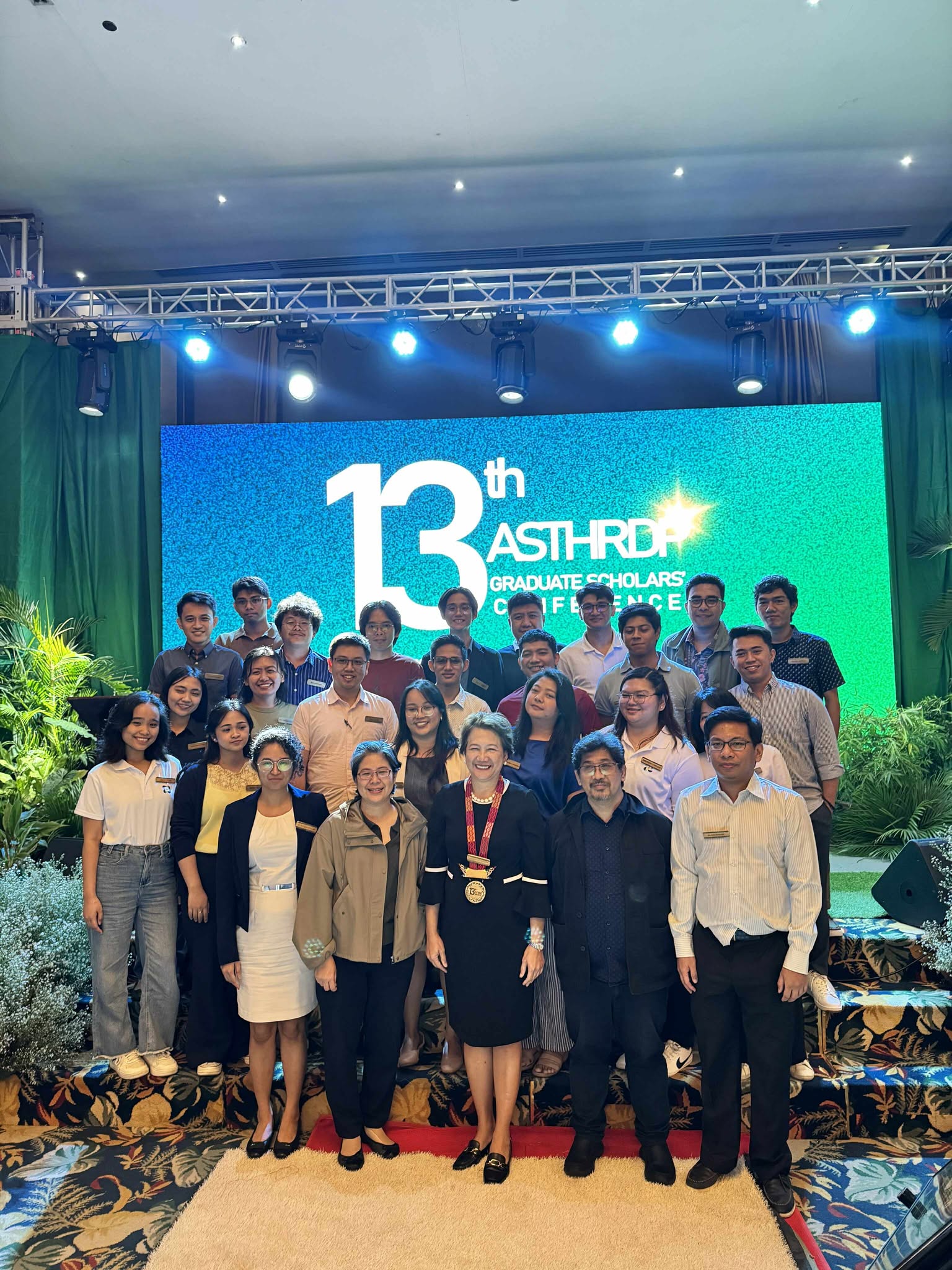
Press Release UPD scholars win best presentations in 13th ASTHRDP Graduate Scholars’ Conference published on September 25, 2025 written by DOST-ASTHRDP Staff Edited by Eunice Jean Patron Four scholars from the University of the Philippines – Diliman College of Science (UPD-CS) took home the award for best presentations in the 13th Accelerated Science and Technology Human Resource Development Program (ASTHRDP) Graduate Scholars’ Conference, held on September 18-19, 2025 at the Limketkai Luxe Hotel in Cagayan de Oro City, Misamis Oriental.
Ang pag-reflect ng isang laser sa salamin ay tila sumusunod sa “mirror rule”- ang anggulong papasok ay katumbas ng anggulong palabas. Ngunit kapag gumamit ng mga sensitibong instrumento, mapapansin na lumilihis ng bahagya ang sinag. Kadalasan, kasing liit lang ng isang hibla ng buhok ang distansya ng paglihis. Ang elusive na epektong ito, na tinatawag na Goos–Hänchen (GH) shift, ay sinuri kamakailan lang ng mga siyentipiko mula sa College of Science ng UP Diliman (UPD-CS) sa mga materyales na halos hindi nag-“aabsorb” ng liwanag—tulad ng ginagamit sa mga semiconductor at photonics.
A laser reflecting off glass looks like it follows the mirror rule—angle in equals angle out. But with sensitive tools, the spot shifts slightly, no bigger than a strand of hair. This elusive effect, called the Goos–Hänchen (GH) shift, was recently explored by scientists from the UP Diliman College of Science (UPD-CS) in materials that barely absorb light—such as those used in semiconductors and photonics.
Nakabuo ng bagong semiconductor structure ang mga syentista ng UP Diliman College of Science na pwedeng magbigay-daan sa mas abot-kaya at mas reliable na Terahertz (THz) technology. Isa sa mga layunin ng THz research ay palawakin ang paggamit ng THz-Time Domain Spectroscopy (THz-TDS). Nalutas ng imbensyong ito ang pangunahing hadlang na teknikal at ekonomikal sa paggamit ng THz technology, na maaring magamit sa mga aplikasyon tulad ng medical imaging at high-speed wireless communication.

IB
CHEM (2)

IESM (1)

MATH (1)
MSEP2

MSI (1)

NIGS

NIMBB
NIP

SSP

NSRI Logo_New
CSRC

CS LIB