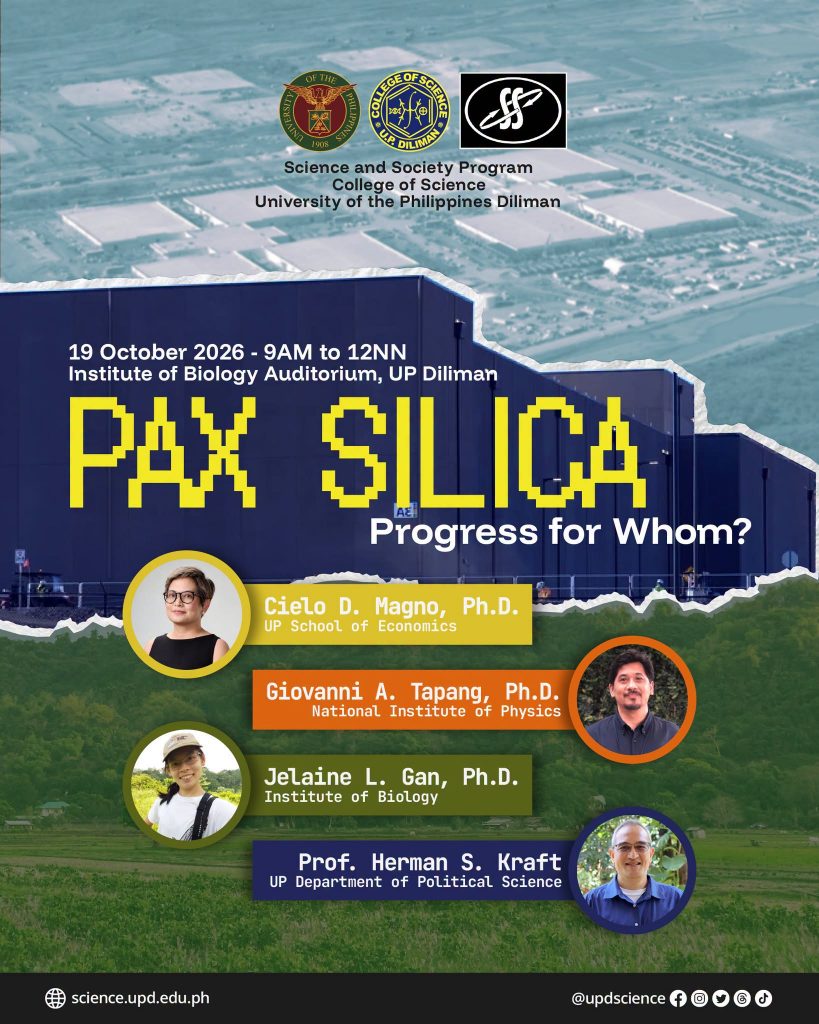
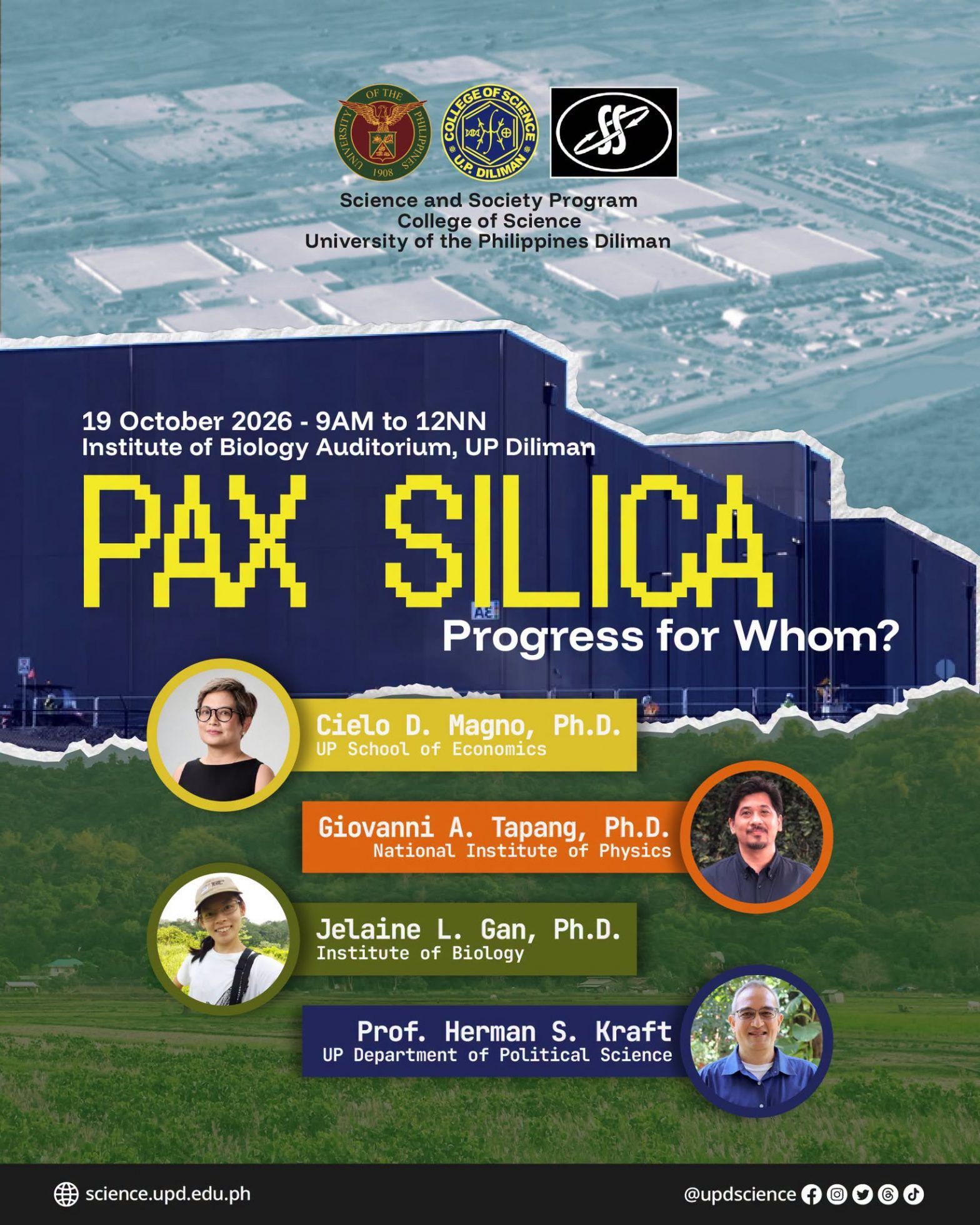
PAX SILICA: Progress for Who? Public Forum
SCIENCE – University of the Philippines Diliman
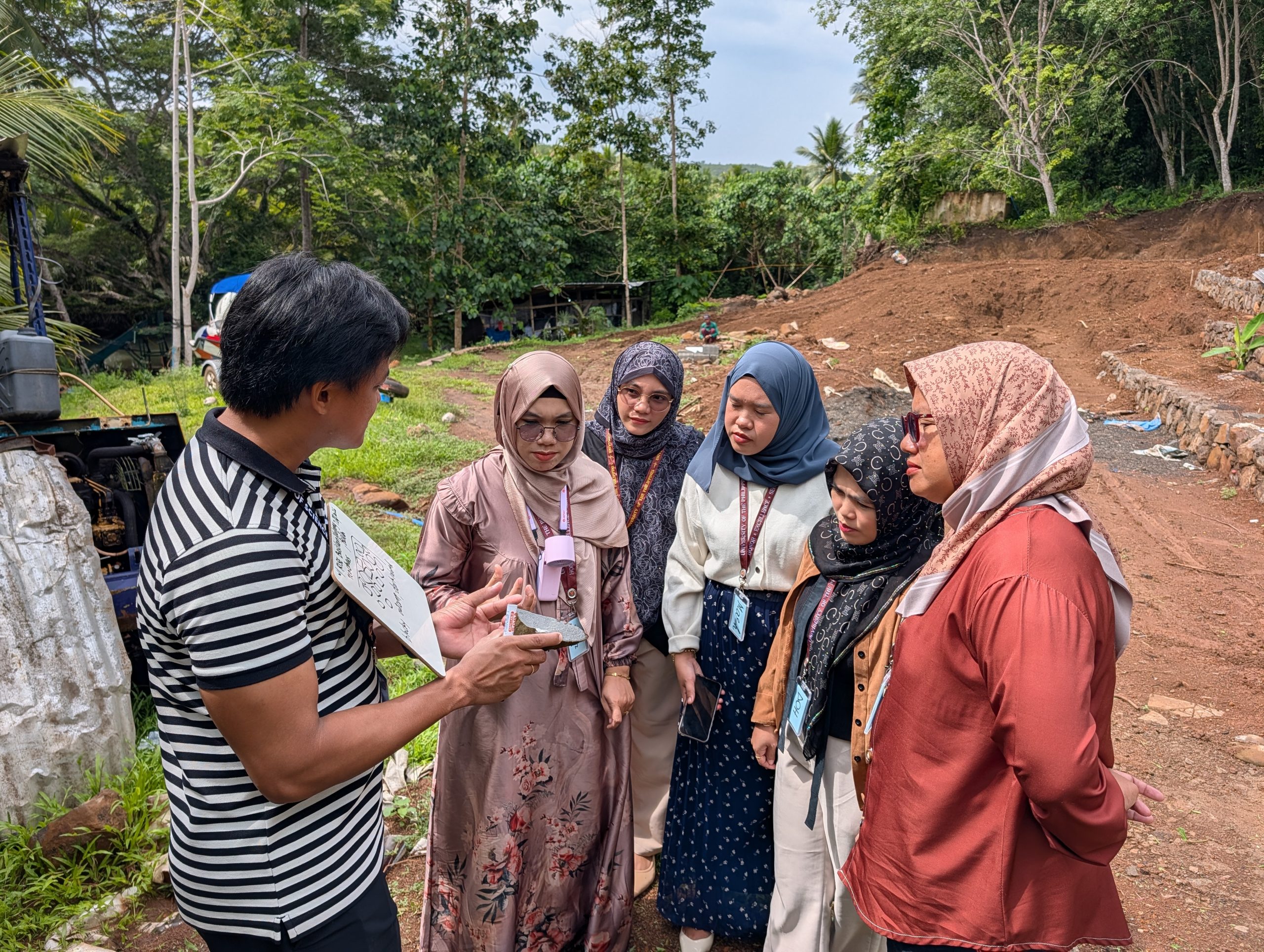
Ang mga mag-aaral sa mga lalawigan na malayo at mahirap ang kalagayang pangkabuhayan sa Pilipinas ay madalas na nahaharap sa mga hamon upang makakuha ng mataas na marka sa mga college entrance exam, lalo na sa agham. Marami sa kanila ang nakatuntong sa senior high school nang may kulang sa batayang kaalaman, sanhi na rin ng limitadong pagkakataon sa patuloy at nakatutok na pagpapaunlad ng propesyon para sa mga guro. Kapag mismo ang mga guro ay nahihirapan sa mga pangunahing konsepto ng agham, nagiging mas mahirap ding patatagin ang pag-unawa at kasanayan sa paglutas ng problema ng mga mag-aaral.
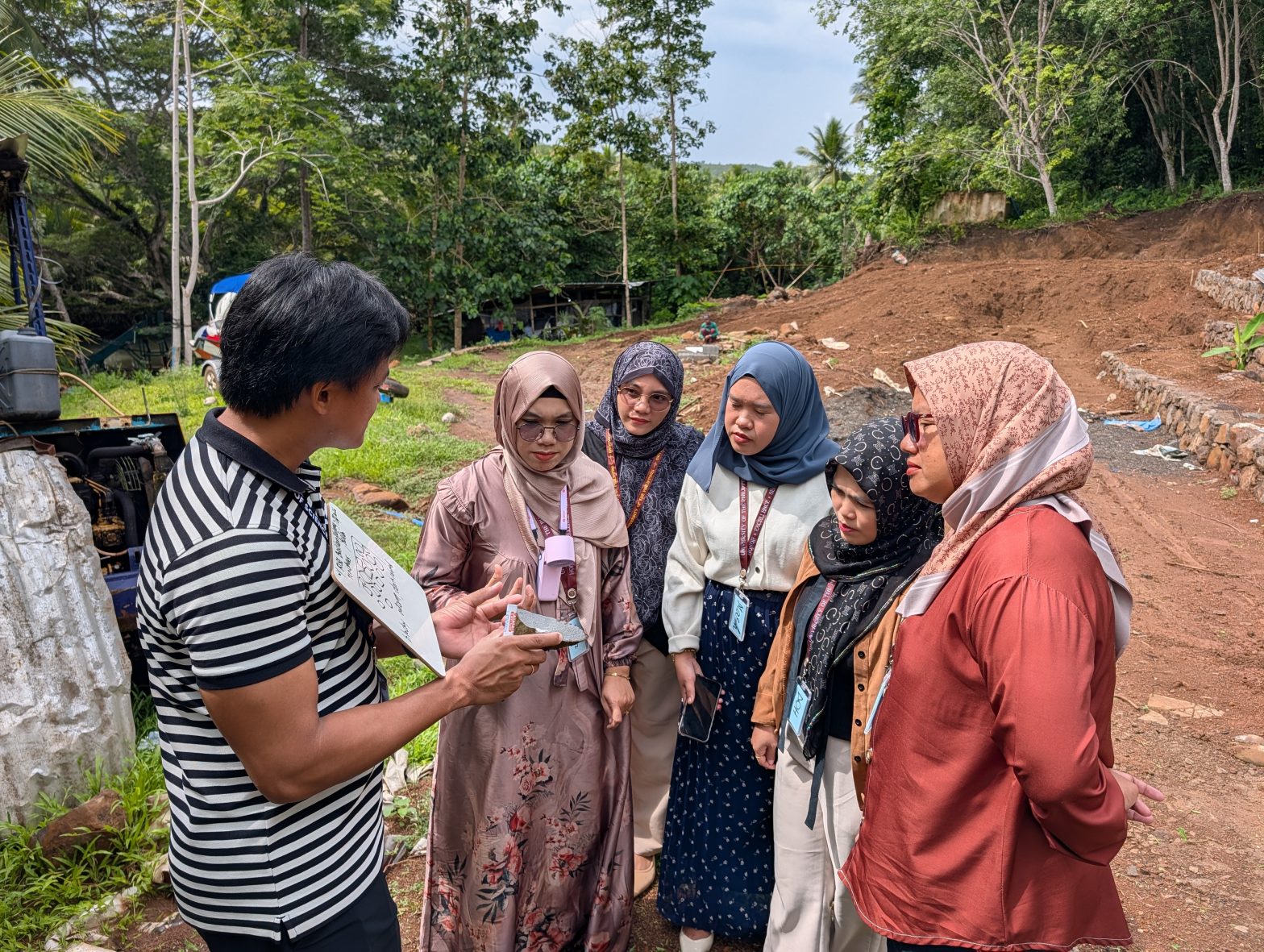
Dahil dito, isinagawa ng University of the Philippines College of Science (UPD-CS), sa pakikipagtulungan sa Unibersidad ng Pilipinas, Pamahalaang Panlalawigan ng Basilan, at mga Schools Division Office ng Basilan at Lamitan, ang Project RISE: Reinforcing Instruction in Mathematics and Science Education in Basilan (RISE-BASILAN) noong Hulyo 20–24, 2026 sa Lungsod ng Lamitan, Basilan. Tinipon ng naturang pagsasanay ang 64 na guro—32 sa Matematika at 32 sa Agham.
Layunin ng RISE-BASILAN na patatagin ang kakayahan ng mga guro ng Matematika at Agham sa Senior High School (SHS) sa Basilan. Ginagawa ito sa pamamagitan ng pagbibigay ng makabagong aralin, mabisang pamamaraan sa pagtuturo, at mga aktuwal na karanasang pampagkatuto upang mapataas ang kalidad ng edukasyon sa Matematika at Agham sa buong lalawigan.
“Ang RISE-BASILAN ay nakabatay sa naunang inisyatiba ng College of Science na isinagawa sa Tawi-Tawi noong 2018. Nilalayon ng proyekto na ipagpatuloy ang inisyatibong iyon at panatilihin ang komitment ng UPD-CS na suportahan ang edukasyon sa Matematika at Agham sa mga lugar na higit na nangangailangan ng tulong,” pahayag ng pinuno ng proyekto na si Dr. Jillian Aira Gabo-Ratio.
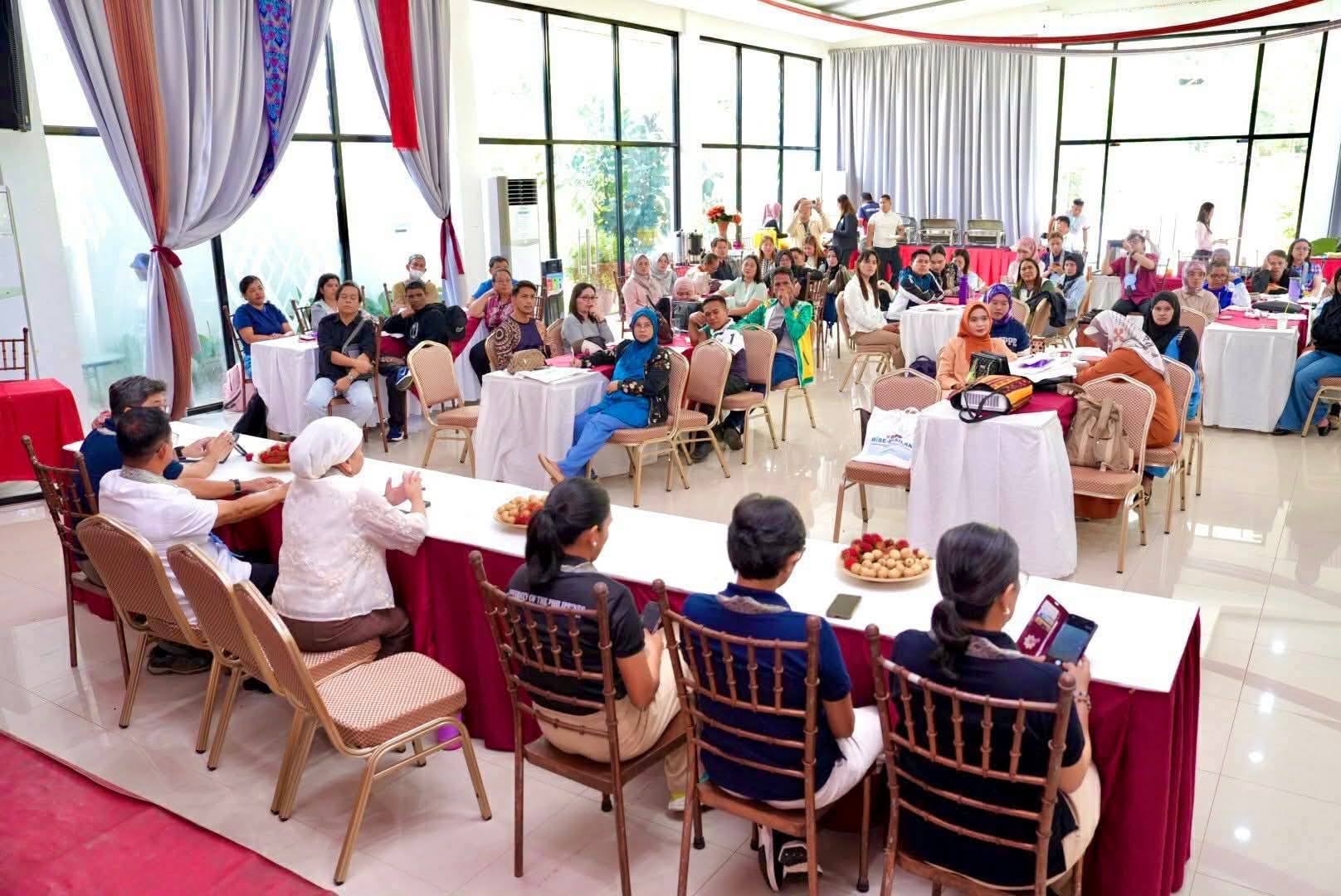
Nakatutok ang programa sa pagpapahusay ng kasanayan ng mga guro sa mga pangunahing aralin sa Matematika, Agham ng Lupa, Pisika, Kimika, at Biyolohiya sa pamamagitan ng mga pagsasanay na pinangungunahan ng mga guro mula sa UPD-CS. Binibigyang-diin dito ang konseptuwal na pag-unawa at mga estratehiya sa paglutas ng problema para sa mga paksang pang-agham bago mag-kolehiyo.
“Nag-ambag ang Institute of Chemistry ng mga molecular model kit mula sa mga pondong nalikom mula sa mga guro at alumni. Nagkaloob din ang National Institute of Geological Sciences ng mga rock at mineral kit, na ang ilan ay binili ng lokal na pamahalaan ng Basilan habang ang iba naman ay donasyon mula sa making.technology manufacturing. Sa pamamagitan ni dating Dekano Giovanni Tapang at ng making.technology manufacturing, nagkaloob naman ang National Institute of Physics ng mga VISSER (Versatile Instrumentation System for Science Education and Research) kit sa Basilan Schools Division upang mas mabilis at mabisang maipakita ang mga konseptong pang-agham,” ayon kay Dr. Gabo-Ratio.
Binibigyang-diin ng RISE-BASILAN ang mahalagang papel ng mga akademikong institusyon, tulad ng UPD-CS, sa pagpapatatag ng kakayahan ng mga guro at sa pagpapatuloy ng mga ganitong pagsasanay sa mga komunidad upang palawakin ang mga oportunidad para sa mga mag-aaral na magtagumpay sa akademya.
“Ang RISE-BASILAN ay higit pa sa isang programang pagsasanay — ito ang ating sama-samang komitment na itaas ang kalidad ng edukasyon sa Matematika at Agham sa Basilan. Sa pamamagitan ng pagbibigay ng lakas at makabagong estratehiya sa ating mga guro, pati na ang pagpapatibay ng ating ugnayan sa Unibersidad ng Pilipinas, sa Pamahalaang Panlalawigan, at iba pang katuwang, namumuhunan tayo sa kinabukasan ng bawat mag-aaral sa Basilan. Sama-sama nating hinuhubog ang isang henerasyon ng mga mag-aaral na may kritikal na pag-iisip, mga imbentor, at mga hinaharap na pinuno,” pahayag ni Dr. Myra Borja Mangkabung, Schools Division Superintendent ng Basilan, sa pambungad na programa habang binibigyang-diin ang kahalagahan ng pamumuhunan sa mga guro.
For interview requests and other concerns, please contact media@science.upd.edu.ph.
Students in geographically remote and economically disadvantaged provinces in the Philippines often face barriers to performing well in college entrance exams, particularly in science. Many enter senior high school with gaps in foundational knowledge, partly due to limited access to sustained, content-focused professional development for teachers. When teachers struggle with core scientific concepts, it can be challenging to strengthen students’ understanding and problem-solving skills.
The University of the Philippines Diliman College of Science (UPD-CS), in partnership with the University of the Philippines, the Province of Basilan, and the Schools Division Offices of Basilan and Lamitan, implemented Project RISE: Reinforcing Instruction in Mathematics and Science Education in Basilan (RISE-BASILAN) from July 20-24, 2026 in Lamitan City, Basilan. The workshop brought together 64 teachers, including 32 Mathematics teachers and 32 Science teachers.
RISE-BASILAN aims to strengthen the competencies of Senior High School (SHS) Mathematics and Science teachers in Basilan by providing up-to-date content, effective pedagogical approaches, and hands-on learning experiences to improve Mathematics and Science education outcomes in the province.
“RISE-BASILAN builds on an earlier initiative by the College of Science conducted in Tawi-Tawi in 2018. The project seeks to continue that initiative and sustain UPD-CS’s commitment to supporting Mathematics and Science education in underserved areas,” project leader Dr. Jillian Aira Gabo-Ratio noted.
The program focuses on enhancing teachers’ mastery of key areas in Mathematics, Earth Science, Physics, Chemistry, and Biology through workshops led by UPD-CS faculty, with an emphasis on conceptual understanding and problem-solving strategies in pre-college science topics.
“The Institute of Chemistry donated molecular model kits through fundraising efforts among faculty and alumni. The National Institute of Geological Sciences also provided rock and mineral kits, with some purchased by the Basilan government and others donated by making.technology manufacturing. The National Institute of Physics, through former Dean Giovanni Tapang and making.technology manufacturing, donated VISSER (Versatile Instrumentation System for Science Education and Research) kits to the Basilan Schools Division, which were used to demonstrate science concepts more efficiently,” Dr. Gabo-Ratio said.
RISE-BASILAN highlights the role of academic institutions, such as UPD-CS, in strengthening teacher capacity and promoting the local replication of training in communities to expand opportunities for students to succeed academically.
“RISE-BASILAN is more than a training program—it is our collective commitment to raising the quality of Mathematics and Science education in Basilan. By empowering our teachers with innovative strategies and strengthening our partnerships with the University of the Philippines, the Provincial Government, and other stakeholders, we are investing in the future of every Basilan learner. Together, we are building a generation of critical thinkers, innovators, and future leaders,” Schools Division Superintendent of Basilan Dr. Myra Borja Mangkabung said during the opening program, underscoring the importance of investing in teachers.
For interview requests and other concerns, please contact media@science.upd.edu.ph.
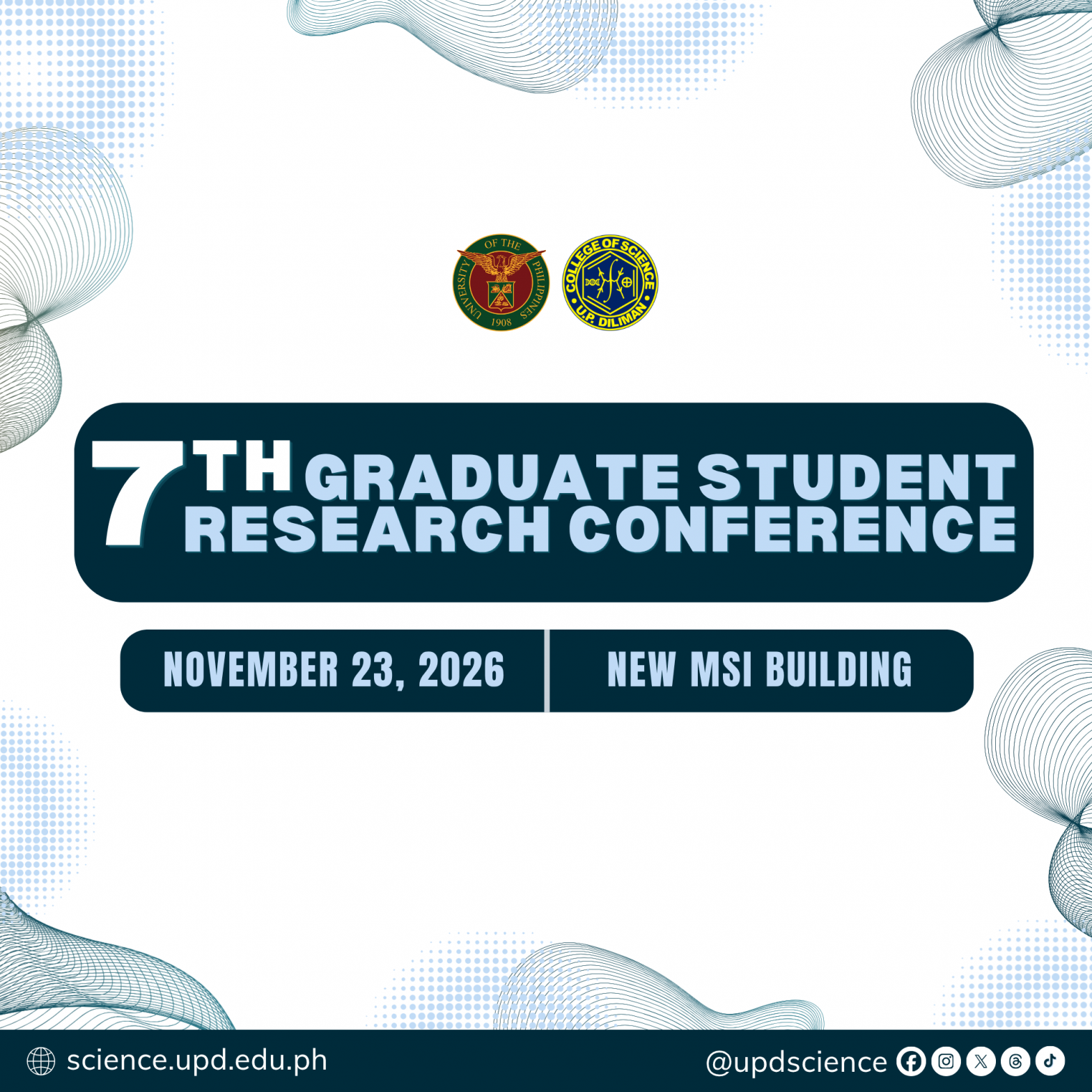
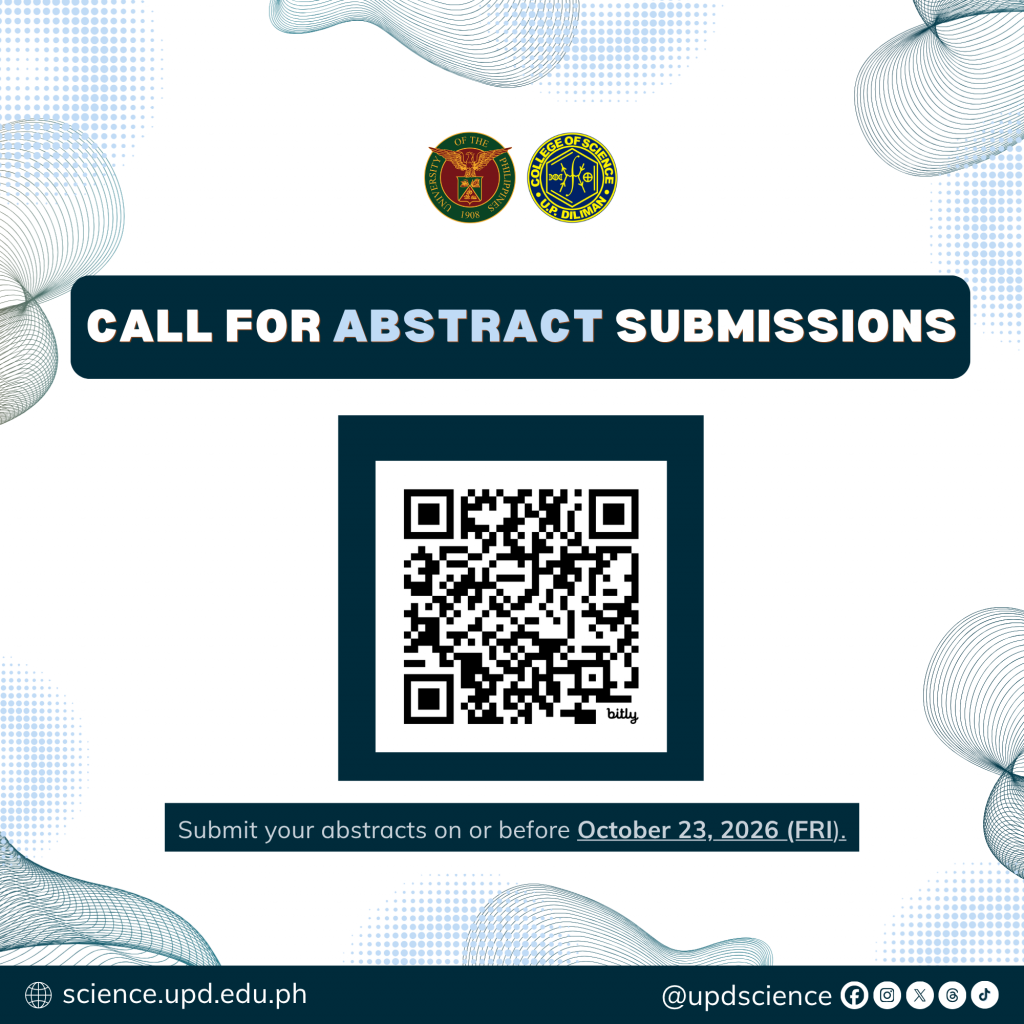
The College of Science of the University of the Philippines Diliman (UPD-CS) invites its current graduate students and recent graduates to present their research works during the GSRC2026 to be held on November 23, 2026 (Monday), at the New MSI Building. Aside from showcasing your research, the GSRC is also a venue to link and promote collaboration among other graduate students and faculty members from the different institutes within UPD-CS.
To join us, please register and submit your abstracts on or before October 23, 2026 (Friday), by scanning the QR code (please see image below) or through this link:
https://bit.ly/4yW3pUt
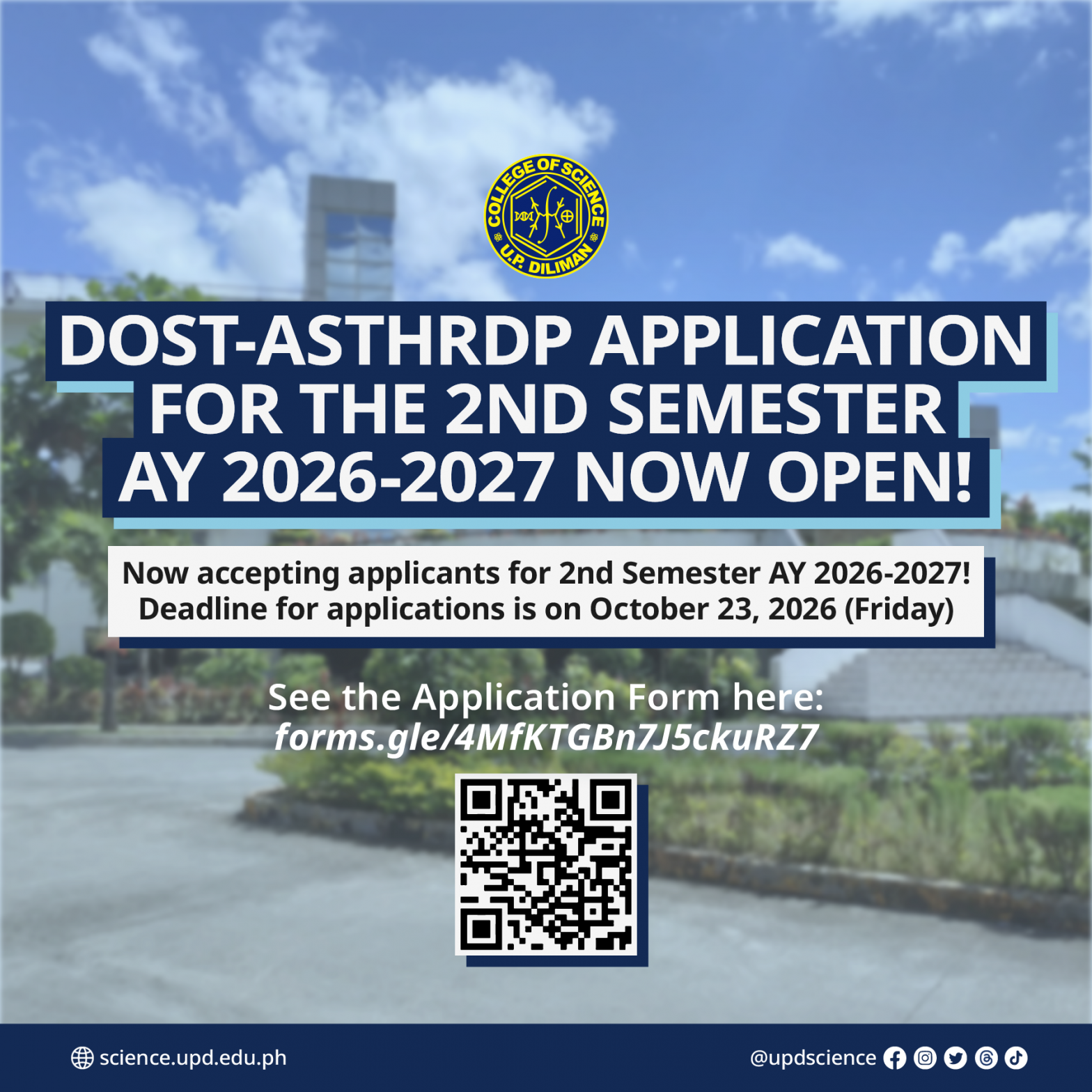
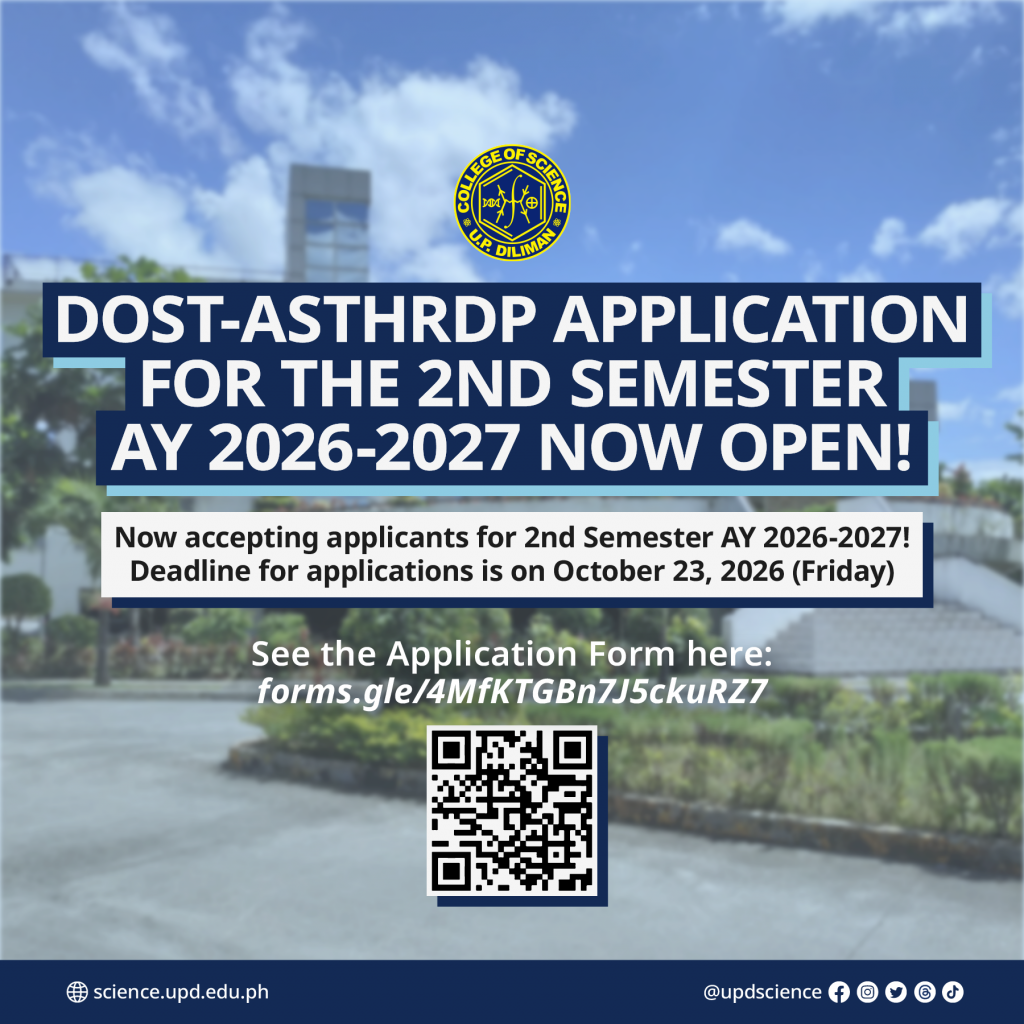
DOST-ASTHRDP Application for the 2nd Semester AY 2026-2027 is now open!
Deadline of applications is on October 23, 2026 (Friday).
Scan the QR code or open the link for the Application Form here: https://forms.gle/4MfKTGBn7J5ckuRZ7
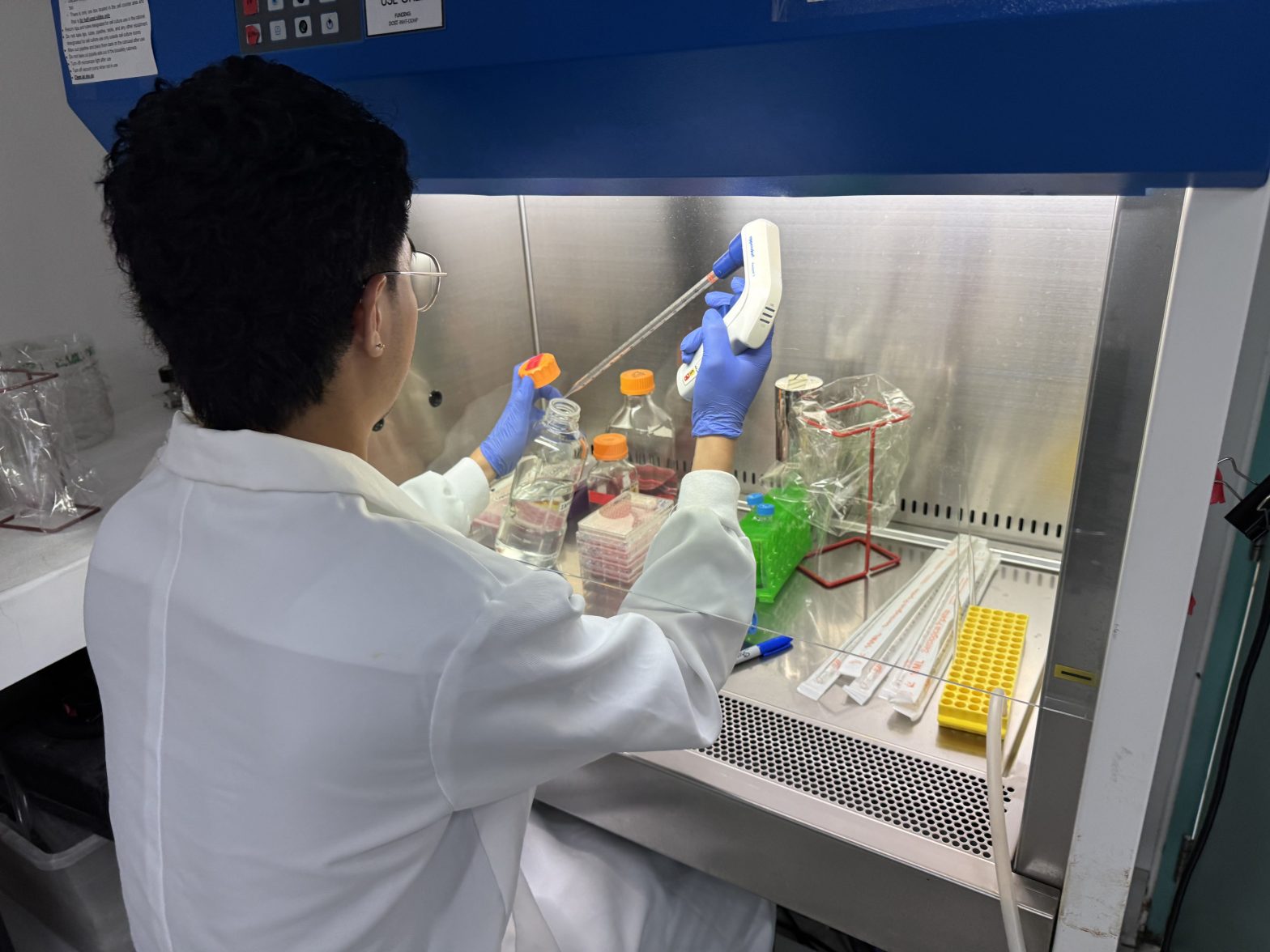
Naglabas ng mga bagong ebidensya ang mga siyentipiko mula sa University of the Philippines Diliman (UPD) ukol sa tumorigenic effects ng vaping na nagiging sanhi ng hindi kontroladong pagdami ng mga selula, at iba pang abnormalidad na nakikita sa kanser. Nakatulong ito upang bigyang linaw ang mga ulat kamakailan na nagpapakitang ang usok ng e-cigarettes ay maaaring magdulot ng malaking pagbabago sa transcriptome ng respiratory epithelia.
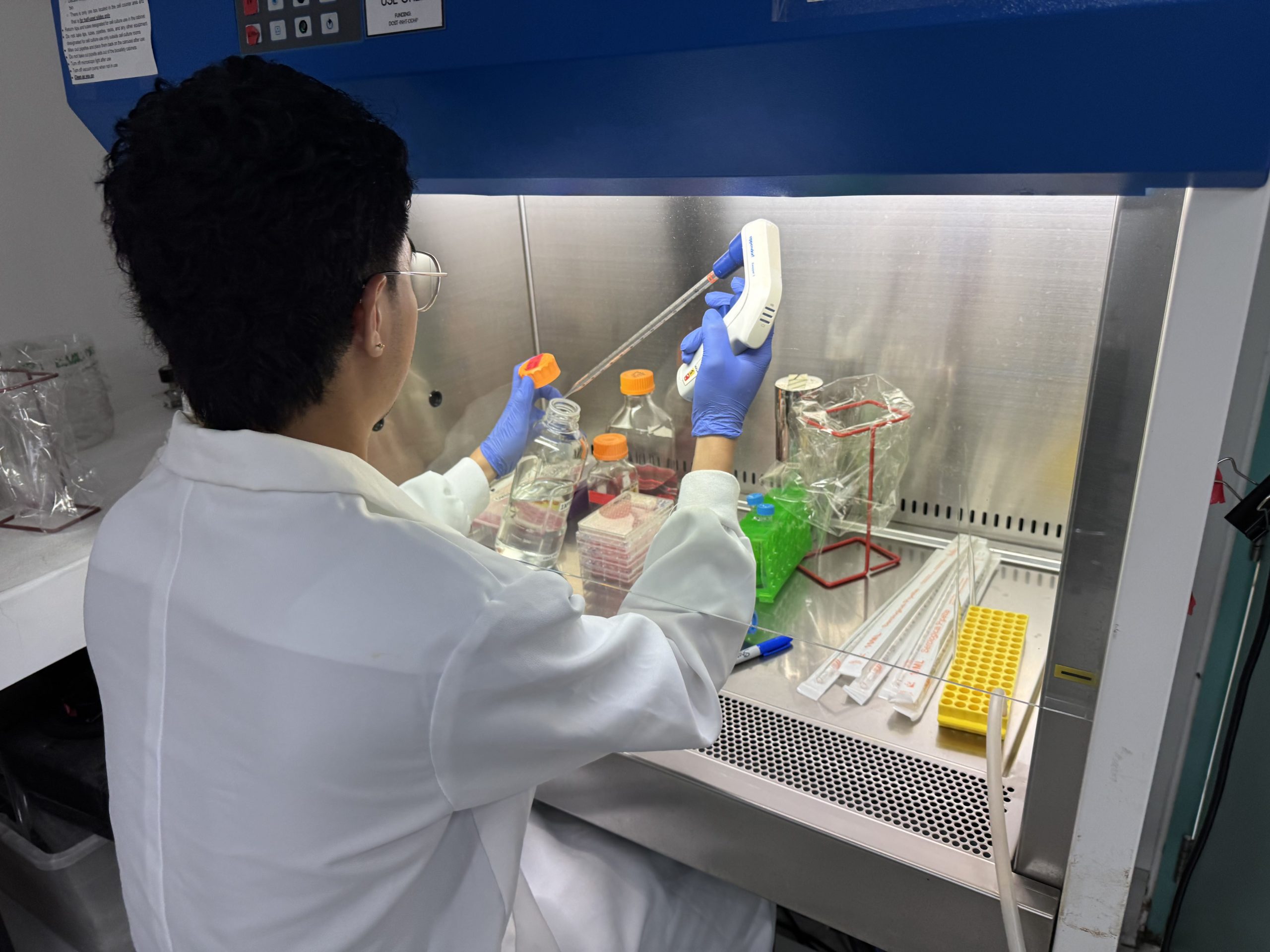
Inimbestigahan nina Daniel Angelo Mirador, Jose Lorenzo Ferrer, Kim Denyse Hao Lin, at Dr. Reynaldo Garcia ng National Institute of Molecular Biology and Biotechnology, UPD College of Science (UPD-CS NIMBB) kung paano naaapektuhan ng paggamit ng vape ang mga proseso ng selula na may kaugnayan sa kanser. Tumutok ang kanilang pag-aaral sa isang molekula na tinawag nilang vape-associated lncRNA transcript 1 (VALT1). Natuklasang mataas ang lebel nito sa mga gumagamit ng vape at sa ilang bukol ng kanser sa baga, kaya’t sinuri nila ang pagkilos nito sa mga selula ng tao na direktang nausukan ng e-cigarettes.
“Sa isang naunang pag-aaral na inilathala namin sa Scientific Reports, iniulat namin na ang long non-coding RNA na tinatawag na smoke- and cancer-associated lncRNA transcript 1 (SCAL1) ay nagpapanatiling buhay sa mga selula ng kanser na nasira na ang DNA dahil sa usok ng sigarilyo. Ginagawa ito sa pamamagitan ng pag-alis ng reactive oxygen species (ROS) sa mga selula na maaari sanang humantong sa pagkamatay ng mga ito. Lumilikha ito ng kabalintunaan: sa halip na mamatay, ang mga nasirang selula ay nananatili, na maaaring mag-udyok sa pagbuo ng kanser—isang uri ng double jeopardy,” paliwanag ni Dr. Garcia. “Ang naging motibasyon para sa pag-aaral na ito ay upang itanong kung may kaparehong mekanismo rin bang nangyayari sa vaping: ang pagkalantad ba sa vape ay nakapagpapasimula ng mga pagbabago sa selula na, tulad ng usok ng sigarilyo, ay nagpapahintulot sa mga nasirang selula na mabuhay?”
Ipinakita ng pangkat ng mga molecular biologist na ang pagkalantad sa mga kemikal ng vape ay nagpapataas ng lebel ng VALT1 at sabay na nagpapalakas sa cell proliferation (mabilis na pagdami ng selula), resistensya sa nakatadhanang pagkamatay ng selula (programmed cell death), cell migration, pag-alis ng lason ng ROS (ROS detoxification), cytoskeletal disorganization, at nuclear remodeling—ang mga mismong katangiang nakikita sa mga selulang nagiging bukol, kung saan ang ilan ay kanser (tumorigenic cells). Nilinaw rin na ang sobrang pagdami ng VALT1 ay maaaring magdulot ng mga epektong ito kahit walang pagkalantad sa vape. Bukod dito, kayang itaguyod ng VALT1 ang pananatiling buhay ng mga selula sa ilalim ng cytotoxic stress, tulad ng lung cancer cell line A549, ngunit hindi sa normal na katapat nitong selula.
“Nagbibigay ito ng ebidensya na ang vaping ay hindi ligtas, at ang mga mapanganib na epekto nito ay napapatindi pa ng pagtaas ng lebel ng VALT1. Ang ating mga selula ay nagkakaroon ng mga katangiang tumorigenic kapag na-expose sa mga e-cigarette,” sabi ni Mirador. “Bukod sa mga implikasyon nito sa kalusugan, ang imbestigasyong ito ay nag-aambag din sa ating kaalaman sa biyolohiya ng non-coding RNA. Ang pag-aaral ng mga non-coding RNA ay bago pa lamang. Dati ay itinuturing lamang silang mga walang silbi o ‘junk’, ngunit ngayon ay napatunayang may mahahalagang papel sa parehong normal na pisyolohiya ng selula at pag-usbong ng sakit,” dagdag pa niya.
Bagamat mas kakaunti ang kemikal na taglay ng mga e-cigarette, inuugnay pa rin ang mga ito sa malubhang sakit sa baga at pinsala sa puso. Binigyang-diin ng pangkat na maaaring umabot ng ilang dekada bago ganap na maunawaan ang mga pangmatagalang epekto ng e-cigarette, kabilang ang kung nagdudulot ba ang mga ito ng kanser. Ang pagbuo ng kanser sa baga (lung oncogenesis) ay nangangailangan ng mahabang panahon bago lumabas ang mga sintomas, samantalang ang vaping ay bago pa lamang nauso. Nananatili ring limitado ang mga pag-aaral sa epekto ng vaping sa normal na pisyolohiya ng ating mga selula at sa transcriptome ng mga ito, na nagpapakita ng pangangailangan para sa higit pang masusing pag-aaral upang makabuo ng mas matibay na siyentipikong batayan.
Ang kanilang pananaliksik, “Vape-Associated lncRNA Transcript 1 (VALT1) Amplifies the Tumorigenic Effects of e-Cigarette Vapor in Lung Epithelial Cells,” ay inilathala sa Non-Coding RNA, isang internasyonal, peer-reviewed, at open-access na journal para sa pananaliksik sa non-coding RNA na tumututok sa paglilinaw ng istruktura, tungkulin, at biyolohiya ng mga regulatory non-coding RNA.
References:
Mirador, D. A., Ferrer, J. L., Lin, K. D., & Garcia, R. L. (2026). Vape-associated lncRNA transcript 1 (VALT1) amplifies the tumorigenic effects of e-cigarette vapor in lung epithelial cells. Non-Coding RNA, 12(2), 10. https://doi.org/10.3390/ncrna12020010
For interview requests and other concerns, please contact media@science.upd.edu.ph.
Scientists from the University of the Philippines Diliman (UPD) provided new evidence on the tumorigenic effects of vaping, helping to throw light on recent reports that show e-cigarette smoke can significantly alter the transcriptome of respiratory epithelia.
Daniel Angelo Mirador, Jose Lorenzo Ferrer, Kim Denyse Hao Lin, and Dr. Reynaldo Garcia of the UPD College of Science’s National Institute of Molecular Biology and Biotechnology (UPD-CS NIMBB) investigated how vape use may affect cancer-related cellular processes. They focused on a molecule they named vape-associated lncRNA transcript 1 (VALT1), which was found to be elevated in vape users and in certain lung cancer tumors, and examined how it behaves in human cells exposed to e-cigarette vapor.
“In an earlier study that we published in Scientific Reports, we reported that the long noncoding RNA called smoke- and cancer-associated lncRNA transcript 1 (SCAL1) ensures the survival of cancer cells whose DNA has been damaged by cigarette smoke. It does so by detoxifying cells of reactive oxygen species (ROS) that would otherwise lead to cell death. This creates a paradox: instead of dying, the damaged cells persist, which can promote cancer development—creating a kind of double jeopardy,” Dr. Garcia explained. “The motivation for this study was to ask whether a similar mechanism also occurs with vaping: can vape exposure trigger changes in cells that, like cigarette smoke, allow damaged cells to survive?”
The team of molecular biologists demonstrated that exposure to vape chemicals increases VALT1 levels and concomitantly enhance cell proliferation, resistance to programmed cell death, cell migration, ROS detoxification, cytoskeletal disorganization, and nuclear remodeling—the same hallmarks observed in tumorigenic cells. Interestingly, VALT1 overexpression can have these effects even without vape exposure. Moreover, VALT1 can promote survival of cells under cytotoxic stress, such as the lung cancer cell line A549, but not its normal counterpart.
“This provides evidence that vaping is not safe, and that its harmful effects are mediated, at least partly, by VALT1. Our cells assume tumorigenic properties upon exposure to e-cigarettes,” Mirador said. “Beyond its health implications, this work also contributes to our knowledge of non-coding RNA biology. The study of non-coding RNAs is relatively recent. They were initially dismissed as junk but are now established to have roles in both normal cell physiology and disease pathogenesis.”
While e-cigarettes may have a lower chemical load, they have been implicated in severe respiratory illnesses and cardiovascular damage. The team noted that it may take decades to fully understand the long-term effects of e-cigarettes, including whether they contribute to cancer. Lung oncogenesis has a long induction and latency period while vaping has not been around for a long period of time. Studies on the effects of vaping at the cellular and molecular level also remain limited, highlighting the need for further investigations to build a stronger scientific foundation.
Their research, “Vape-Associated lncRNA Transcript 1 (VALT1) Amplifies the Tumorigenic Effects of e-Cigarette Vapor in Lung Epithelial Cells,” is published in Non-Coding RNA, an international, peer-reviewed, open access journal on non-coding RNA research dealing with elucidating the structure, function and biology of regulatory non-coding RNAs.
References:
Mirador, D. A., Ferrer, J. L., Lin, K. D., & Garcia, R. L. (2026). Vape-associated lncRNA transcript 1 (VALT1) amplifies the tumorigenic effects of e-cigarette vapor in lung epithelial cells. Non-Coding RNA, 12(2), 10. https://doi.org/10.3390/ncrna12020010
For interview requests and other concerns, please contact media@science.upd.edu.ph.
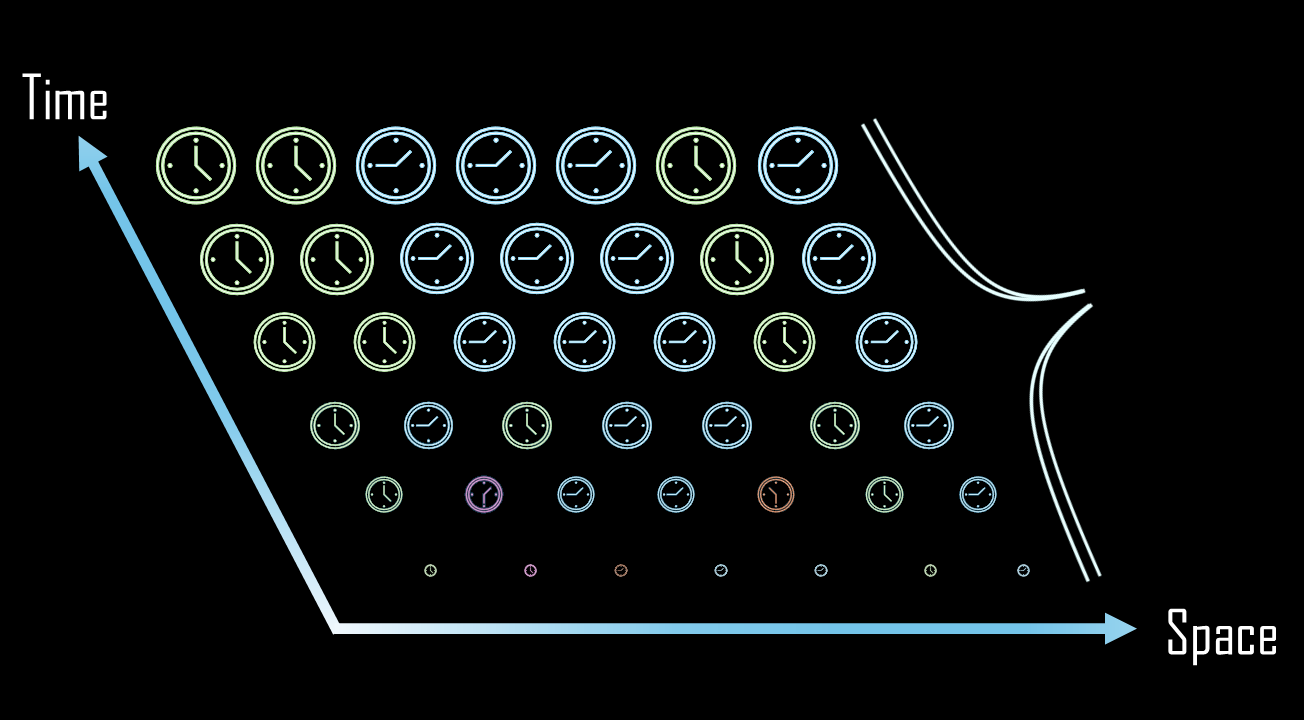
Ang time crystal ay isang phase ng matter—tulad ng solid, liquid, o gas—ngunit mayroon itong kapansin-pansing pagkakaiba. Sa halip na nakatigil lang, gumagalaw ito sa isang ritmong natatantya. Kung paano natutukoy ang isang solid sa pamamagitan ng pagkakaayos ng mga atom nito sa space, ang time crystal naman ay natutukoy sa pamamagitan ng paulit-ulit na pattern sa galaw nito sa paglipas ng panahon.
Bago pa lang ang konsepto ng time crystals bilang isang phase ng matter, at marami pa ang kailangang maunawaan—partikular na kung paano nabubuo ang mga ito at kung ang kanilang pagkabuo ay sumusunod sa mga simple at unibersal na tuntunin na katulad ng mga naobserbahan sa ibang mga sistema.
Ipinakita nina Roy Jara Jr. at Dr. Jayson Cosme ng National Institute of Physics ng University of the Philippines – Diliman College of Science (UPD-CS NIP) na ang universality—isang konsepto kung saan ang mga sistemang lubos na magkakaiba ay maaaring magtaglay ng iisang batayang prinsipyo ng pisika kapag lumilitaw ang kolektibong kilos—ay naaangkop din sa mga time crystal.
“Ipinakita namin na sumusunod sa isang universal rule na katulad ng sa iba pang mas simpleng sistema ang pagbuo ng isang time crystal, tulad ng isang network ng mga magkakaugnay na pendulum,” pahayag ni Dr. Cosme. “Kabilang sa universal rule na ito ang bilis ng pagbuo ng mga time crystal at ang bilang ng mga depekto o kakulangang maaaring lumitaw.”
Ang mga time crystal na pinag-aralan sa kanilang pananaliksik ay nabubuo mula sa interaksyon ng mga particle na bumubuo rito (kung saan ang bawat particle ay nakikipag-ugnayan sa marami pang iba) habang ang bahagi ng sistemang ito ay may interaksyon din sa kapaligiran nito—isang prosesong tinatawag na dissipation. Maihahalintulad ito sa mga molecule ng hangin na lumalabas mula sa isang lobo.
Ipinamalas ng mga physicist ang universality sa mga time crystal gamit ang Kibble-Zurek mechanism—isang teoretikal na framework na matagumpay na nagamit upang matukoy kung ilang depekto ang mabubuo sa isang sistemang dumaranas ng phase transition. “Sa kontekstong ito, ang mga depekto ay mga ‘kakulangan,’ at ayon sa Kibble-Zurek mechanism, habang mas mapapabilis ang pagbabago sa isang sistema—sa pamamagitan ng pagbabago sa isang parameter tulad ng temperatura—ay mas dumarami rin ang malilikhang depekto,” pahayag ni Dr. Cosme.
Isang mainam na pagkakahalintulad ang pagpapanday. Kapag ang mainit na bakal ay mabilis na pinalamig sa tubig, ang mga panloob na stress at mga di pantay-pantay na crystal structure ay maaaring maipit sa materyal. Ito ang mga ‘depekto’ na nagpaparupok sa metal. Maingat na kinokontrol ng mga panday ang proseso ng paglamig—kadalasang inuulit ang mga siklo ng pag-init at pagbabad sa tubig—upang mabawasan ang mga naturang depekto at mapabuti ang tibay ng metal.
Sa kanilang pag-aaral, ipinakita ng mga physicist na ang dalawang magkaibang modelo—ang klasikal (isang network ng mga magkakabit na pendulum) at ang quantum (isang network ng mga quantum spin na may interaksyon sa liwanag)—ay kapwa nagpapakita ng parehong katangian kapag nabubuo ang mga time crystal. Parehong sumusunod sa iisang batas ang pagkaantala sa pagbuo ng mga time crystal at ang bilang ng mga depektong nalilikha, at nakadepende ang mga ito sa parehong paraan at sa bilis ng pagpapatakbo sa sistema tungo sa pagbuo ng time crystal.
May mahalagang implikasyon ang kanilang mga resulta sa kung paano maaaring ihanda ang mga time crystal sa mga teknolohiya sa hinaharap. Malaki ang interes sa paggamit ng mga time crystal para sa quantum information at sensing; gayunpaman, nangangailangan ang mga aplikasyong ito ng maaasahan at kontroladong paggawa sa mismong time crystal.
“Sa tantya namin ay hindi maaaring ihanda ang mga time crystal nang basta-basta at mabilis dahil sa angking pagkaantala ng kanilang pagbuo, lalo na’t malapit sa punto ng kanilang pagbuo. Bukod dito, kung nilalayong palakihin ito sa isang network ng mga time crystal, dapat gawin ang matinding pag-iingat sa bilis ng paglikha. Dahil ang mga sistemang ito ay napapailalim sa mekanismo ng Kibble-Zurek, ipinakita namin na ang masyadong mabilis na pagtulak sa punto ng kanilang pagbuo ay di maiiwasang humantong sa pagbuo ng mga hindi kanais-nais na depekto, na maaaring mag kompromiso sa katatagan at kapakinabangan ng buong network,” sabi ni Dr. Cosme.
Ang pag-aaral, pinamagatang “Universality of dissipative discrete time crystal formation,” ay nailathala sa Physical Review B, isang sikat na journal ukol sa mga makabuluhang pagsusulong sa condensed matter and materials physics.
References:
Jara, R. D., & Cosme, J. G. (2026). Universality of dissipative discrete time crystal formation. Physical Review B. https://doi.org/10.1103/jjqm-f8hm
For interview requests and other concerns, please contact media@science.upd.edu.ph.
A time crystal is a phase of matter, much like solids, liquids, or gases—but with a remarkable difference. Instead of remaining static, it exhibits a steady and predictable rhythm. Just as a solid is defined by the arrangement of its atoms in space, a time crystal is defined by a repeating pattern in its behavior over time.
The concept of time crystals as a phase of matter is relatively new, and much remains to be understood—particularly how they form and whether their formation follows simple, universal rules similar to those observed in other systems.
Roy Jara Jr. and Dr. Jayson Cosme of the University of the Philippines – Diliman College of Science’s National Institute of Physics (UPD-CS NIP) showed that universality—a concept in which very different systems can share the same underlying physics when collective behavior emerges—also applies to time crystals.
“We showed that the formation of a time crystal follows a universal rule similar to other simpler systems, such as a network of interconnected pendulums,” Dr. Cosme shared. “This universal rule includes how fast time crystals form and the number of defects or imperfections that may arise.”
The time crystal studied in their work emerges from the interplay between interactions among the constituent particles (where each particle interacts with many others) and the fact that part of the system also interacts with its environment—a process known as dissipation. This is similar to air molecules escaping from a balloon.
The physicists demonstrated universality in time crystals using the Kibble-Zurek mechanism, a theoretical framework that has been successfully used to predict how many defects form in a system undergoing a phase transition. “Defects in this case are ‘imperfections’ and the Kibble-Zurek mechanism predicts that the faster you force a system to change, by varying a parameter like temperature, the more defects you will create,” Dr. Cosme said.
A useful analogy can be found in blacksmithing. When red-hot steel is rapidly cooled in water, internal stresses and misaligned crystal structures can become trapped in the material. These are ‘defects’ that make the steel more brittle. Blacksmiths carefully control the cooling process—often repeating heating and quenching cycles—to reduce such defects and improve the metal’s strength.
In their work, the physicists showed that two different models—one classical (a network of interconnected pendulums) and one quantum (a network of quantum spins interacting with light)—exhibit the same behavior when time crystals form. Both the delay in the formation of time crystals and the number of defects that form follow the same laws and depend in the same way on the speed at which the system is driven toward forming a time crystal.
Their results have important implications for how time crystals may be prepared in future technologies. There is significant interest in using time crystals for quantum information and sensing; however, these applications require the reliable and controlled preparation of the time crystal itself.
“We predict that time crystals can not be prepared arbitrarily fast due to an inherent delay in their formation, especially close to the transition point at which they emerge. Also, if one aims to scale this up into a network of time crystals, extreme care must be taken regarding the speed of creation. Because these systems are subject to the Kibble-Zurek mechanism, we have shown that pushing the transition too quickly will inevitably lead to the formation of unwanted defects, which could compromise the stability and utility of the entire network,” Dr. Cosme said.
The study, “Universality of dissipative discrete time crystal formation,” is published in Physical Review B, a trusted journal for significant developments in condensed matter and materials physics.
References:
Jara, R. D., & Cosme, J. G. (2026). Universality of dissipative discrete time crystal formation. Physical Review B. https://doi.org/10.1103/jjqm-f8hm
For interview requests and other concerns, please contact media@science.upd.edu.ph.
Ang mga kabog (Flying fox) at malalaking paniki na kumakain ng mga bunga at bulaklak ng mga puno. Sila ay may kakayanan lumipad ng malayong distansiya sa paghahanap ng makakain. May mga kabog na lumlipad ng 20 km mula sa kanilang mga hapunan sa loon ng isang gabi para maghanap ng bungang makakain. Kaya nila lumipad at tumawid ng karagatan para marating ang malayong pulo hanggang 6000 km at maaring tumawid sa mga hangganan ng mga bansa. Dahil dito sila ay makikita sa malaking bahagi ng daigdig. Mabilis sila lumpipad at mahirap ma-sundan ang paglipad nila.
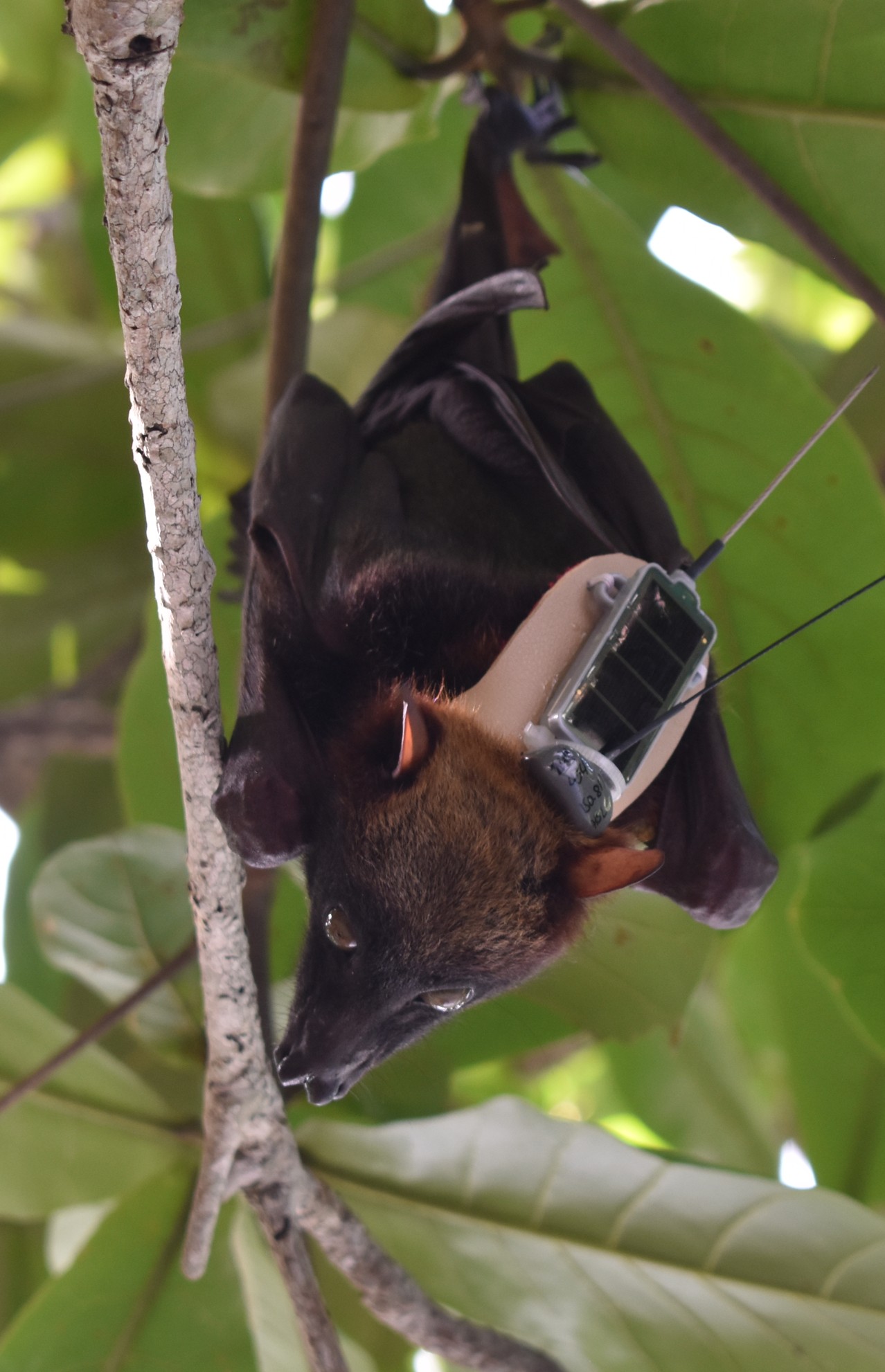
Para lalong maunawaan kung paano lumalarga ang mga kabog at kung paano nila ginanagamit ang mga likas na tirahan, ang mga biologo mula sa Unibersidad ng Pilipinas Diliman, Linangan ng Biolohiya kasama ang ibang mananaliksik ay nanghuli ng 9 na kabog at sinoutan sila ng magaan na GPS collars para sundan ang kanilang galaw sa kaligiran.
Sina Rio Renato Constantino, Czarina Espiritu, Maria Sabrina Tabeta, Simeon Gabriel Bejar, and Dr. Mariano Roy Duya ng the UPD-CS IB nakipagtulungan kina Kirk Taray, Jezryl Jaeger Garcia, Dorothy Mariano, Dr. Mary Grace Dacuma, at Dr. Phillip Alviola ng UP Los Baños; Sophie Borthwick, Dr. Dolyce Low, at Dr. Ian Mendenhall of Duke-NUS Medical School, Singapore; Dr. Eric Laing ng Uniformed Services University, Bethesda, USA; at Dr. Catalino Demetria and Dr. Fedelino Malbas of the Research Institute for Tropical Medicine ang nagsilarawan ng galaw ng golden-crowned na kabog, Acerodon jubatus; malaking kabog, Pteropus vampyrus; at ang mailiit na kabog, P. hypomelanus.
“Kakaunti lamang ang datos natin tungkol sa galawin ng mga kabog sa Pilipinas. Dalawa lamang ang pagaaral sa kanila, sa mga uri ng (A. jubatus and P. vampyrus) sa Subic lamang na maliit sa lugar na kinakasakupan ng mga kabog sa Pilipinas. At walang pagaaral tungkol sa P. hypomelanus saan man, ani ni Constantino.
Habang natutulog ang mga kabog, nilapitan sila ng nga mananaliksik na may hawak na antenna para ma-download ang GPS na datos. Dahil na maliit ang sample size, mahirap maiugnay ang natuklasan sa buong populasyon ng mga kabog. Ngunit, ang mga jubatus at P. vampyrus mas malayo ang nararating kumpara sa P. hypomelanus. May mga pagkakaiba sa pagbalik nila sa kanilang hapunan. Binabalikan din nila ang ang kanilang lugar na may pakain. Malawak ang kanilang likas na tirahan, mula lugar na maramaning gusali hanggang mga bukirin na sinasaka ng mga tao.
Ang mga galawain ng mga kabog ay kabighani-haning pagaralan. “Kung saan sila pumupunta, malalaman natin ang kanilang paggamit ng mga likas na tirahan. Sa gubat lamang ba sila matatagpuan? Namamalagi ba sila sa mga lungsod?” ani ni Constantino. “Sa paglubog ng araw, aalis sila sa mga hapunan at lilipad sa dilim ng gabi. Saan sila pumupunta? Ito ang mga katanungan namin na naisa mabigyan ng kasagutan” dagdag ni Constantino.
Ang pakakaunawa natin sa galawin ng mga kabog sa mga ibat ibang likas na tirahan ay maaring magbigay ng idea kung paano sila maaalagaan at mamahalaan. Maraming silang ginagawa sa ekolohiya ng kaligiran, mula sa pagkalat ng mga buto. Pag kumain ang kabog ng bunga, ang dumi nito ay may kasamang buto at sa malayong panig nito kinakalat. Ang buto ay magiging puno sa kagubatan.
Kailangan ma-protektahan at ikanlong ang mga hapunan ng mga kabog at hindi ito magambala. “Kung hindi gagambalain ang mga kabog, hindi sila aalis at kung alam mo kung nasaan sila nag hahapunan, iwasan ang mga lugar na ito” ani ni Constantino. Ang saliksik na ito ay magbibigay ng kaalalaman sa pag plano ng land use at mga stratehiya sa konserbasyon na kailanga para sa pag protekta ng saribuhay (biodiversity) at pampublikong kalusugan.
Ang saliksik na, “Movement patterns of three species of flying foxes across human-modified landscapes in the Philippines,” ay naipalimbag sa Mammalia, isang internasyonal multidisiplinaryo, tuwing ikalawang buwan na journal na nakatuon sa imbentaryo, pagsusuri, at interpretasyon ng pagkakaiba-ibang uri ng mga mamalya.
References:
Constantino, R. R. P., Espiritu, C. C., Tabeta, M. S. G., Taray, K. J., Garcia, J. J. L., Bejar, S. G. F., Manzano, D. J. O., Borthwick, S. A., Low, D. H. W., Mendenhall, I. H., Laing, E. D., Demetria, C., Malbas, F., Dacuma, M. G. B., Alviola, P. A., & Duya, M. R. M. (2026). Movement patterns of three species of flying foxes across human-modified landscapes in the Philippines. Mammalia. Advance online publication. https://doi.org/10.1515/mammalia-2025-0097
For interview requests and other concerns, please contact media@science.upd.edu.ph.